


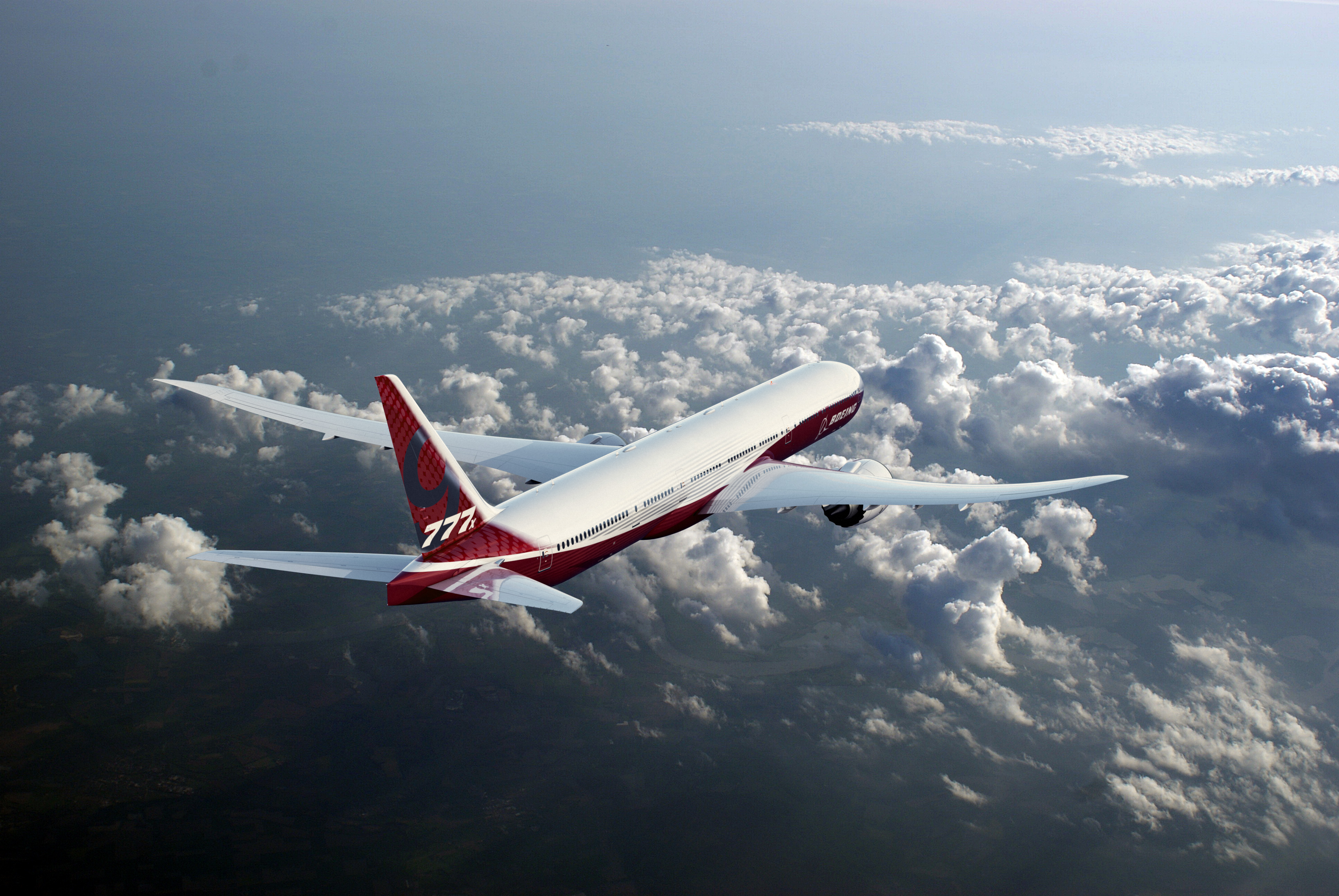
According to the EU’s complaint, the extension of the subsidies from the original termination date of 2024 to 2040 is “inconsistent” with WTO rules because the subsidies “require the beneficiary to use domestic goods rather than imported ones.” Washington’s state legislature approved an $8.7 billion package of incentives for Boeing in November of 2013 to ensure that the company would build its new 777X aircraft on the shores of Puget Sound.
ALSO READ: Is Goldman Sachs Right About Selling Boeing?
Monday’s WTO decision is the first step in what is likely to be a years-long adjudication process. Contending disputes originally filed with the WTO in 2005 related to subsidies for both Airbus and Boeing have yet to be finally resolved, although a decision is due later this year. In these disputes, the U.S. complained that the EU had supplied Airbus with $18 billion in illegal subsidies and the EU complained that the United States had provided $19 billion in illegal subsidies to Boeing. In 2012 the WTO cut the claim against the U.S. to a range of $3 billion to $4 billion.
A Boeing spokesman told the Seattle Times:
The tax measures the EU challenges today are not market-distorting subsidies. They are available to all aerospace companies, including Airbus and its suppliers. … European governments have provided, and continue to provide, massive amounts of launch aid to Airbus for every airplane development program. It is an effort to further delay EU compliance with the WTO’s 2011 ruling that launch aid is an illegal, market-distorting subsidy.
The term “launch aid” refers to low- or no-interest loans that are directed to the development of new aircraft and that do not have to be repaid unless the new plane is a commercial success.
Boeing’s stock lost nearly 2.3% on Monday following a ratings downgrade from Neutral to Sell from analysts at Goldman Sachs. Shares traded down about 1% in Tuesday’s premarket, at $153.25 in a 52-week range of $116.32 to $158.83.






 Top Gaining Stocks
 Top Losing Stocks