


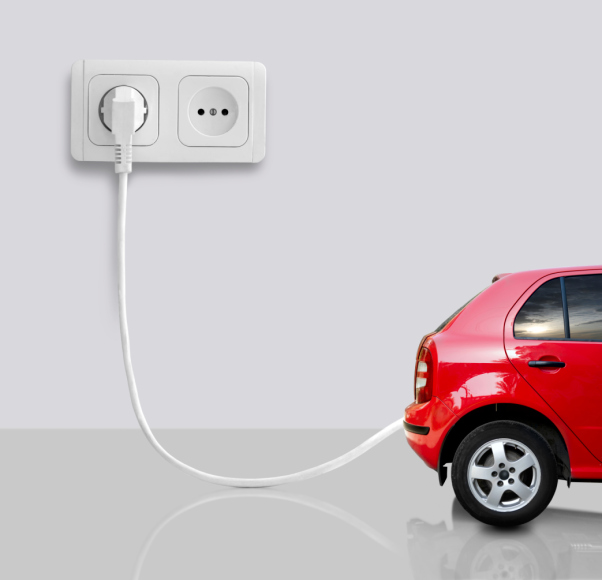
One of the factors that has undermined sales of hybrids and electrics is the development of more efficient gas engines and the rise of clean diesel. Fossil-fueled cars can get gas mileage that nearly matches those of autos with new technology. Hybrids and electric cars sometimes carry high sticker prices because of their high costs of development. And electric cars particularly do not appeal to consumers because the time it takes to charge their engines can stretch into hours, and, once drivers are on the road, there are few places to charge these engines as people travel long distances.
The new calculator from the Energy Department is called eGallon. The agency described the eGallon tool this way:
The Energy Department today launched the eGallon – a quick and simple way for consumers to compare the costs of fueling electric vehicles vs. driving on gasoline. Today’s national average eGallon price is about $1.14, meaning that a typical electric vehicle could travel as far on $1.14 worth of electricity as a similar vehicle could travel on a gallon of gasoline.
“Consumers can see gasoline prices posted at the corner gas station, but are left in the dark on the cost of fueling an electric vehicle. The eGallon will bring greater transparency to vehicle operating costs, and help drivers figure out how much they might save on fuel by choosing an electric vehicle. It also shows the low and steady price of fueling with electricity,” said Energy Secretary Ernest Moniz. “Not only can electric vehicles save consumers on fuel and reduce our dependence on oil, they also represent an opportunity for America to lead in a growing, global manufacturing industry.”
On Energy.gov/eGallon, consumers can see the latest eGallon price for their state and compare it to the price of gasoline. Over time, consumers will notice that the eGallon price will be far more stable and predictable than gasoline prices. That’s because the eGallon price depends on electricity prices, which historically are very stable; gasoline prices depend on the global oil market, which can be very unstable and are often influenced by unpredictable international events.
The eGallon provides a metric that is easily comparable to the traditional gallon of unleaded fuel. That comparison is made by calculating how much it would cost to drive an electric vehicle the same distance as a similar conventional vehicle could travel on a gallon of gasoline. For example, if gasoline costs $3.60 per gallon in your state and the eGallon price for your state is $1.20, that means that for $1.20 worth of electricity you can drive the same distance as you could for $3.60 worth of gasoline. The eGallon price varies from state to state based on the price of electricity.
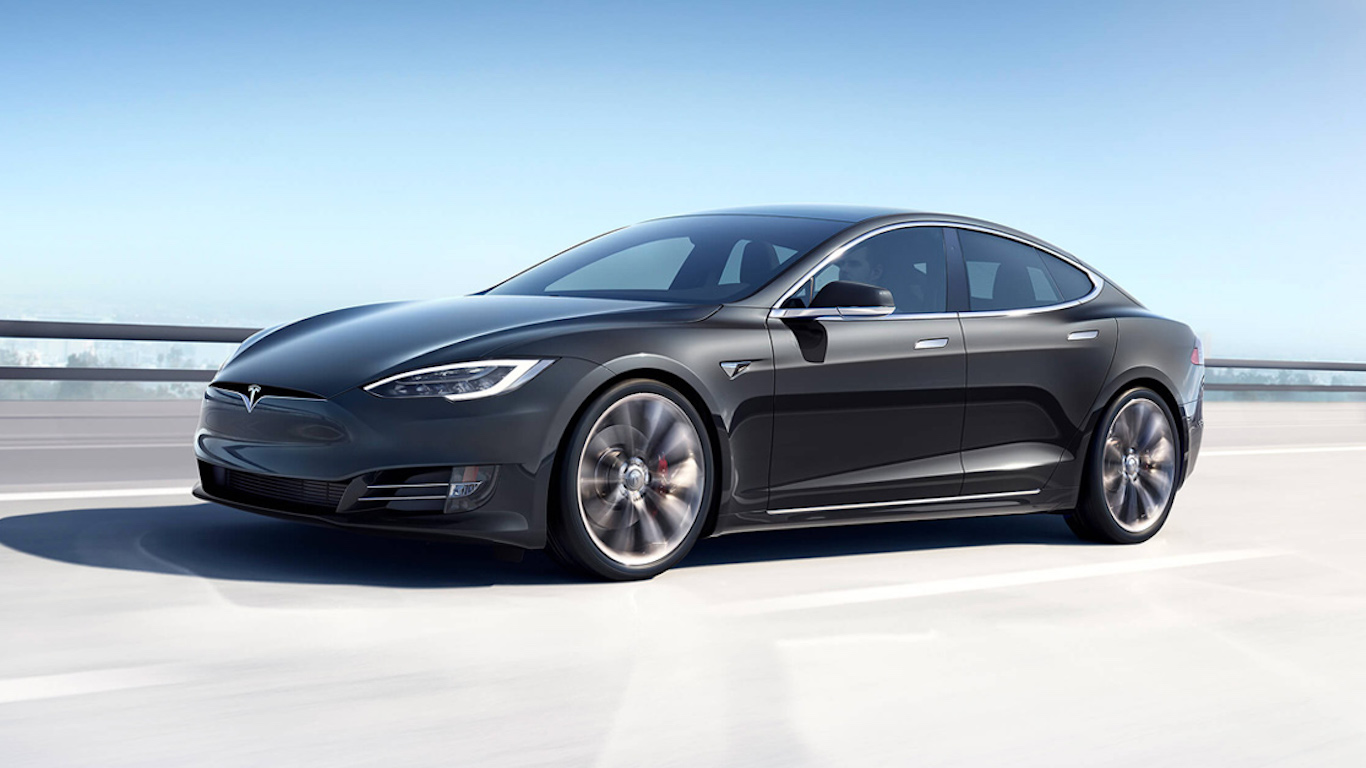
In just the last couple years, significant cost reductions and improvements in vehicle performance have had a dramatic impact on the U.S. automotive market. Sales of plug-in electric vehicles (PEV) in the U.S. tripled in 2012, with more than 50,000 cars sold. Sales are growing significantly again in 2013. Last year, the Chevy Volt PEV topped Consumer Reports’ annual owner-satisfaction survey for the second straight year, while the Tesla Model S was awarded the 2013 Motor Trend Car of the Year.









 Top Gaining Stocks
 Top Losing Stocks