Lincoln and Cadillac Lose Ground in Luxury Market

Photo of Douglas A. McIntyre
By Douglas A. McIntyre Published
This post may contain links from our sponsors and affiliates, and Flywheel Publishing may receive compensation for actions taken through them.

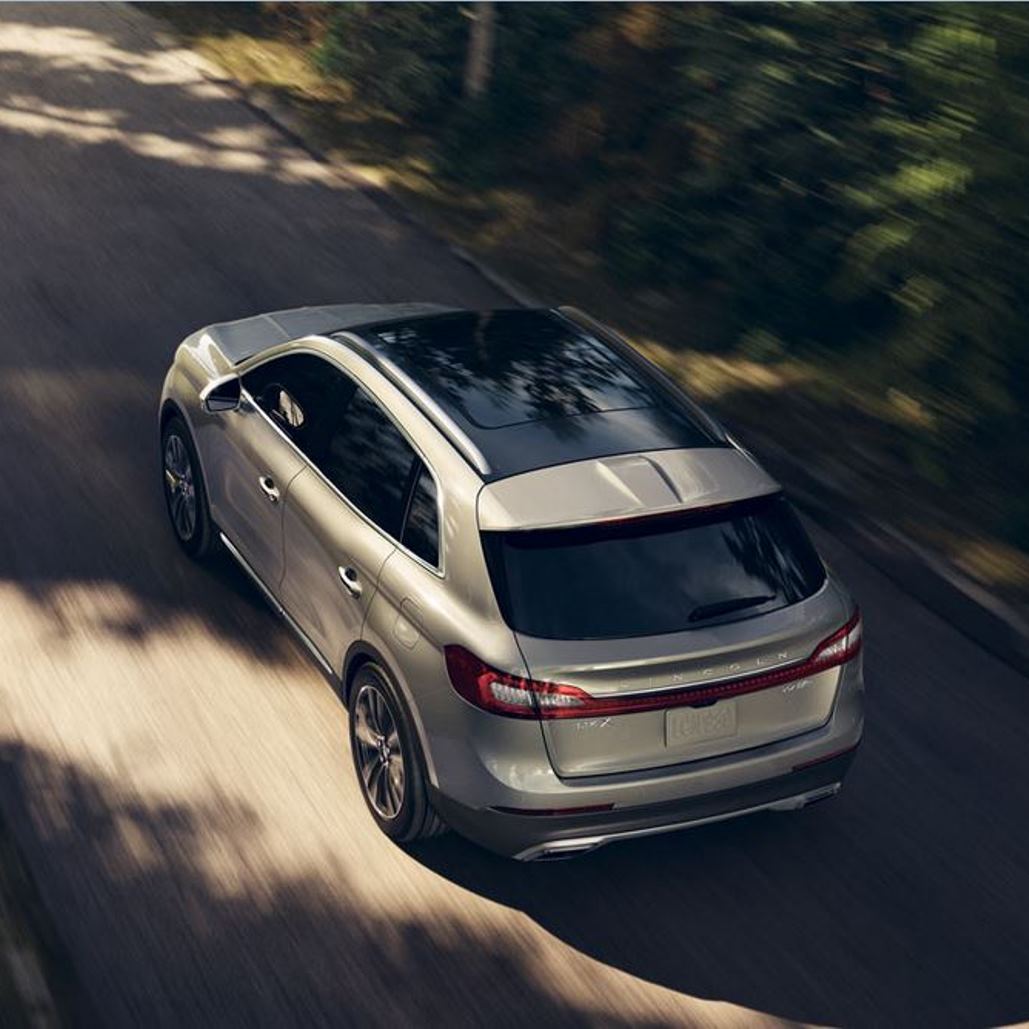
The turnarounds of Ford Motor Co.’s (NYSE: F) Lincoln brand and General Motors Co.’s (NYSE: GM) Cadillac suffered setbacks in June. While sales of primary rivals BMW, Mercedes and Toyota Motor Corp.’s (NYSE: TM) Lexus brand rose, sales of the two American luxury car makers stagnated in June. No matter what the two largest U.S. manufacturers do, gaining on import rivals has been nearly impossible.

Cadillac sales rose only 0.1% to 13,941. And Lincoln sales fell 2.7% to 7,271. According to Kelley Blue Book, Cadillac had a 1.0% share of the U.S. vehicle sales market in June, while Lincoln’s share was 0.5%.

The other side of the story is that sales of luxury market share market leader BMW (2.1% share) were up 11.5% in June, compared with June a year ago, to 30,201. Sales of Mercedes (market share 2.0%) rose 8.8% to 28,707. And sales of the resurgent Lexus brand (market share 1.7%) rose 10.1% to 23,518. Audi (market share 1.2%), which continues to successfully challenge the top three luxury brands, had a sales increase of 23.1% to 16,867. Even Nissan’s luxury brand Infiniti (market share 0.6%) outsold Lincoln with sales of 8,574, which was down 5.9% from June 2013.

There are several reasons that GM and Ford have not been able to do better. Despite strong marks in some of the industry’s most carefully watched research, neither has a broad product line-up. For example, in the new J.D. Power 2014 U.S. Initial Quality Study, Cadillac and Lincoln scored well above average.

However, Lincoln has only six nameplates, which range from its lowest priced MKC, with a base price of $33,100, to its full size SUV, the Navigator, which has a base price of $56,165. Cadillac has seven nameplates. BMW has eight, including its new electric cars, and Mercedes has 12. Lincoln and Cadillac have too few models to compete across the entire spectrum of luxury buyers.

Lincoln hopes its 2015 MKC will help it sharply increase sales. Cadillac had hoped to do the same with its ATS, which was well received and posted strong initial sales, only to watch those advances drop off in June and year-to-date. But a single model from each of the two luxury car companies will not be enough to gain them ground.


ALSO READ: Ten Cars Americans Don’t Want to Buy

Photo of Douglas A. McIntyre
About the Author Douglas A. McIntyre →

Douglas A. McIntyre is the co-founder, chief executive officer and editor in chief of 24/7 Wall St. and 24/7 Tempo. He has held these jobs since 2006.

McIntyre has written thousands of articles for 24/7 Wall St. He is an expert on corporate finance, the automotive industry, media companies and international finance. He has edited articles on national demographics, sports, personal income and travel.

His work has been quoted or mentioned in The New York Times, The Wall Street Journal, Los Angeles Times, The Washington Post, NBC News, Time, The New Yorker, HuffPost USA Today, Business Insider, Yahoo, AOL, MarketWatch, The Atlantic, Bloomberg, New York Post, Chicago Tribune, Forbes, The Guardian and many other major publications. McIntyre has been a guest on CNBC, the BBC and television and radio stations across the country.

A magna cum laude graduate of Harvard College, McIntyre also was president of The Harvard Advocate. Founded in 1866, the Advocate is the oldest college publication in the United States.

TheStreet.com, Comps.com and Edgar Online are some of the public companies for which McIntyre served on the board of directors. He was a Vicinity Corporation board member when the company was sold to Microsoft in 2002. He served on the audit committees of some of these companies.

McIntyre has been the CEO of FutureSource, a provider of trading terminals and news to commodities and futures traders. He was president of Switchboard, the online phone directory company. He served as chairman and CEO of On2 Technologies, the video compression company that provided video compression software for Adobe’s Flash. Google bought On2 in 2009.

Featured Reads

Our top personal finance-related articles today. Your wallet will thank you later.

Continue Reading

Top Gaining Stocks

CBOE Vol: 1,568,143
PSKY Vol: 12,285,993
STX Vol: 7,378,346
ORCL Vol: 26,317,675
DDOG Vol: 6,247,779

Top Losing Stocks

LKQ
LKQ Vol: 4,367,433
CLX Vol: 13,260,523
SYK Vol: 4,519,455
MHK Vol: 1,859,865
AMGN Vol: 3,818,618