


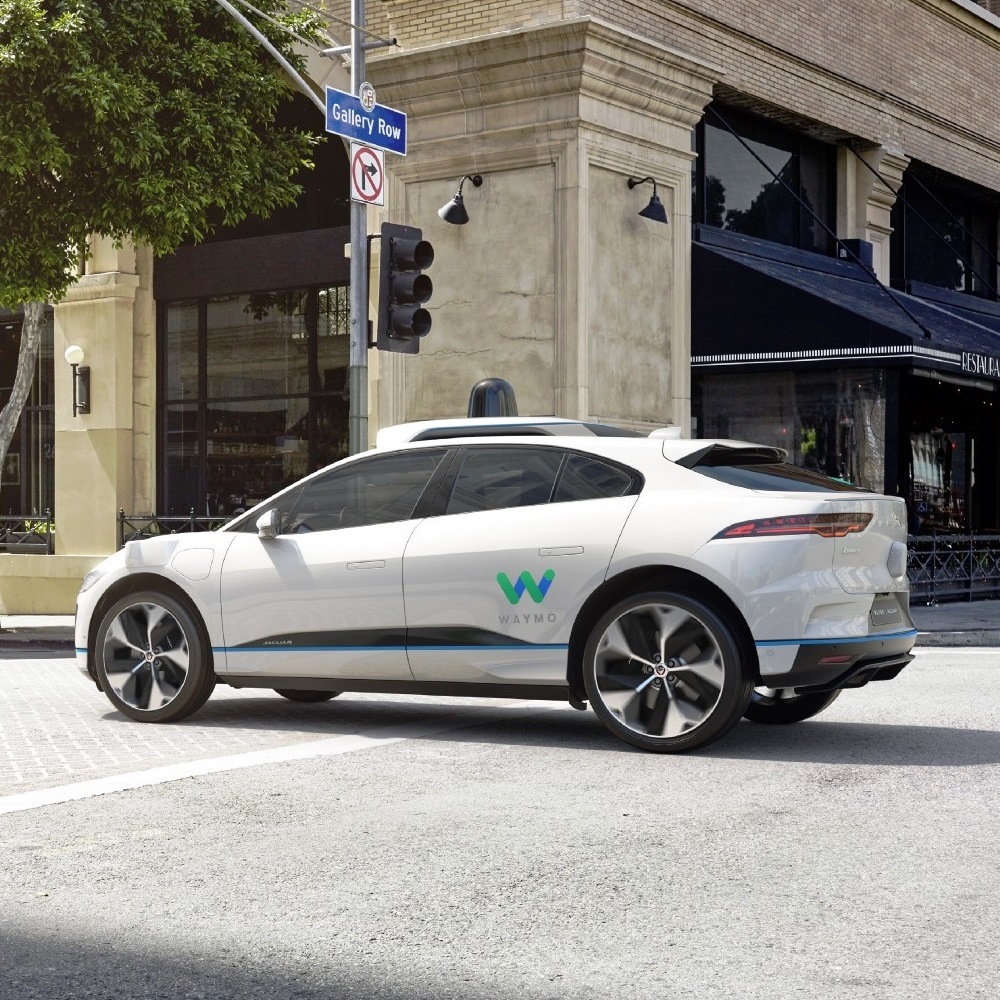
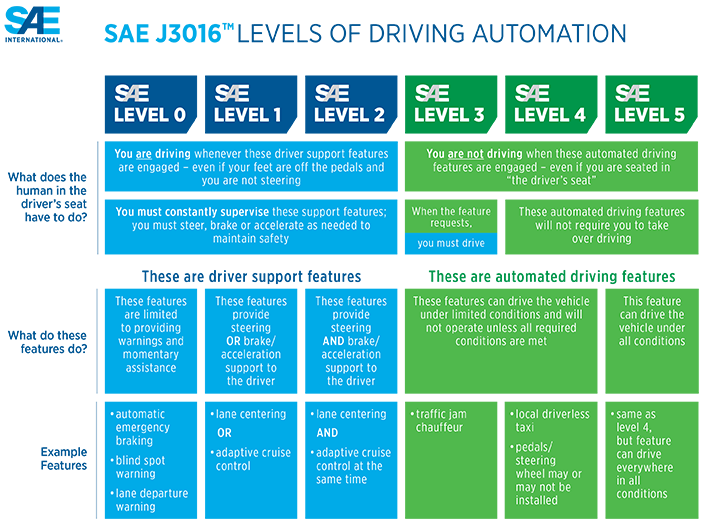
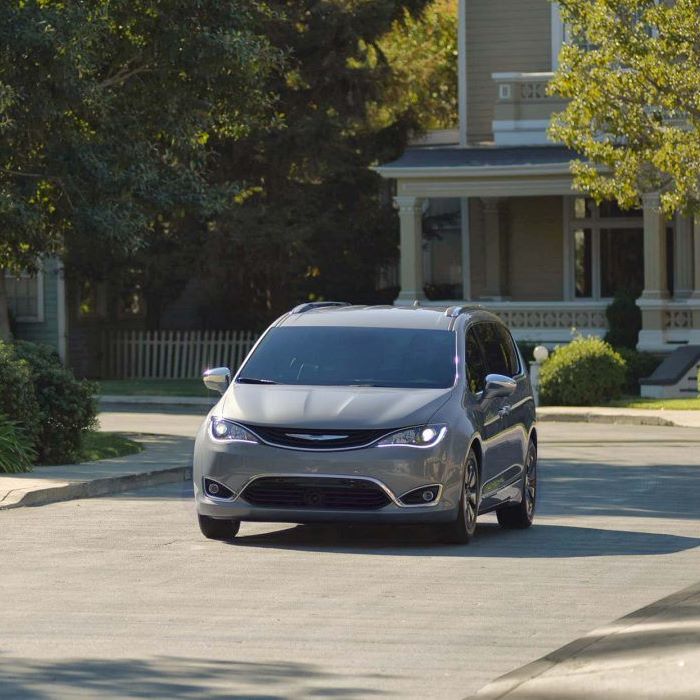
Google parent Alphabet Inc. (NASDAQ: GOOGL) and Fiat Chrysler Automobiles N.V. (NYSE: FCAU) made history this week with the first major partnership on advancing driverless cars. Fiat Chrysler will be delivering 100 slightly tweaked Pacifica Hybrid minivans to Google, which will install its technology on the fleet.
It is fitting that Google would choose a Fiat Chrysler minivan first, given Chrysler is the company that originally introduced minivans to the U.S. market in the mid-1980s. The new Pacifica model is purported to be the most fuel-efficient minivan on the market, with FCA claiming efficiency of 80 miles per gallon and an additional 30 miles all electric. Given past controversies over fuel mileage with hybrids though, we have yet to see if the Pacifica lives up to its claims.
In any case, Google’s choice of the Pacifica makes sense because if successful, it would give the two companies the impressive double claim of most fuel-efficient hybrid electric minivan and the first mass-produced driverless fleet at the same time.
The deal is great for the passenger car industry as a whole as well because, by working with Google, FCA is showing that car companies can embrace a more efficient division of labor. While there are undoubtedly tech experts at Ford Motor Co. (NYSE: F), Volkswagen and BMW, companies that have all introduced a certain degree of driver-assist technology in their fleets, Google’s knowledge on the subject of driverless technology is undoubtedly much deeper and comprehensive.
[recirclink id=329972]
By working with Google, FCA is leapfrogging its competitors in the driverless car space by deferring to the experts rather than trying to tackle the problem itself. The car maker simply does not have the resources on its own to embark on such a risky and expensive project. It already has leveraged 300% debt to equity, its U.S. sales are horrendous and its profit margins are on ever thinner ice. Google, on the other hand, has plenty of cash burning a hole in its gigantic corporate pockets and probably was able to get a good deal from FCA considering its precarious situation and desperate need for some kind of shot in the arm.
However, good news aside, it doesn’t yet look like the collaboration will do much for FCA’s bottom line, at least not in the near future. Google has made it clear that it is also looking into other deals with other car makers, and the head of Google’s car project, John Krafcik, refused to comment on a rumored deal with Ford, openly saying that Google is pursuing other deals with other car manufacturers.
So the partnership, while exciting for the passenger car industry and even human progress in general, is experimental and does not solve FCA’s burning debt problem. FCA had an annual debt service cost of $2.5 billion in 2015, or a stinging 90% of its EBITDA. That is very close to falling off the debt treadmill. On top of that is the fact that its Latin American segment comprises 13% of total unit sales, and most of that is from Brazil, where the economy is in shambles. The Brazilian real has fallen an enormous 56% against the dollar since 2011, destroying consumers’ purchasing power, and sales are showing it. Unit sales in Brazil are down 37% since 2013 with no end to the fall in sight.
While the collaboration is definitely a plus for the embattled car maker, it is not yet its saving grace. What that could be and if it is even possible is still an open question.









 Top Gaining Stocks
 Top Losing Stocks