


Citigroup (C) is in the market for another $10 billion. Merrill Lynch (MER) is looking for $3 billion to $4 billion. The subprime mess has gotten the better of them and they are likely to take more huge write-offs for the fourth quarter. To raise money, they could cut dividends or sell units.
Or, they can go to the sovereign government funds in places like China, Singapore and Abu Dhabi and back up the armored truck there.
The Wall Street Journal indicates that the Federal government could become uncomfortable with all of this: "The new investments are sure to complicate the so-far successful efforts of Wall Street firms to keep these purchases below the Washington radar screen. Multiple investments from government funds will get closer scrutiny from regulators for signs the funds could work together and exercise control."
The banks and investment houses who need the money would argue that they are selling positions without voting power or with limited rights to control board and management decisions. If that is accurate,it should allay any fears that Washington might have.
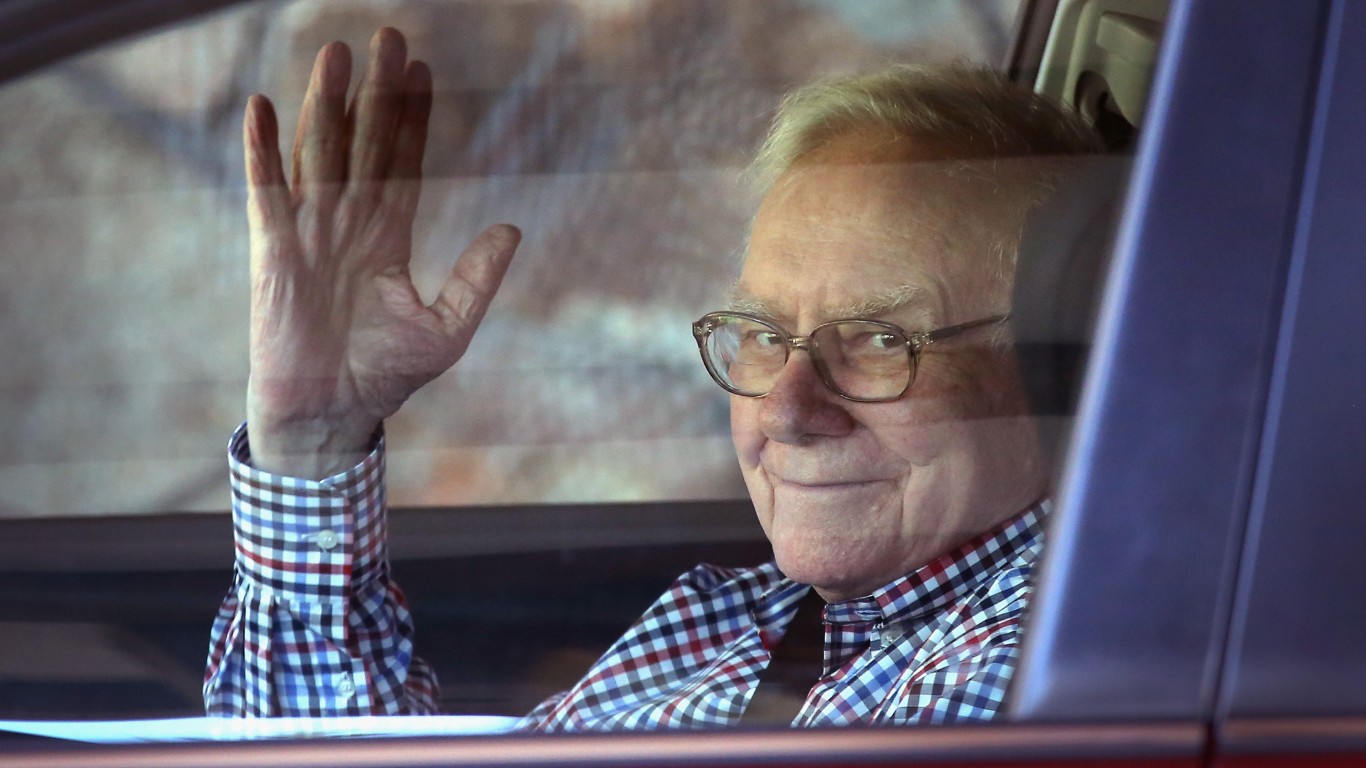
The real question is why none of the money to support America’s leading financial institutions is coming from America. California Public Employees’ Retirement System recently put almost $300 million into buy-out firm Silver Lake. Several retirement pension plans could certainly pull together a few billion dollars to put into a company like Merrill. Warren Buffett is launching his own municipal bond insurance operation. It is hard to imagine that he can do that without funding the institution with several billion.
The party line is that sovereign capital is patient. The managers of these funds only have to answer to their governments. They have no shareholders, no retired employees.
But, that excuse is thin. Either putting money into Citi and Merrill on the right terms can be calculated as a good investment or not. It might be argued that the managers of sovereign funds are not nearly as smart as US retirement funds, pension operations, or big operators like Mr. Buffett. That is unlikely.
Either the "sovereigns" have a higher tolerance for risk or US money is afraid of its own economy.
Douglas A. McIntyre





 Top Gaining Stocks
 Top Losing Stocks