


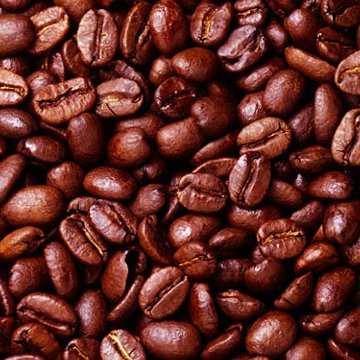
The rush to buy coffee is likely to get worse as a result of a decision last week by the Intercontinental Exchange Inc. (NYSE: ICE) to kill sales of beans that are too old to brew decent coffee. The Wall Street Journal reports that ICE’s stockpile of certified coffee has fallen 44% since the beginning of 2010. The effect on prices could be severe, and US coffee sellers could feel the pain. Kraft Foods Inc. (NYSE: KFT), Starbucks Corp. (NASDAQ: SBUX), Farmer Bros. Co. (NASDAQ: FARM), Green Mountain Coffee Roasters Inc. (NASDAQ: GMCR), Peet’s Coffee & Tea Inc. (NASDAQ: PEET), and Caribou Coffee Co. Inc. (NASDAQ: CBOU) could see prices for coffee rise from about $2.20/bag to as much as $4/bag by the middle of 2011.
Last week, the ICE said it would allow Brazilian arabica beans to be delivered starting with 2013 contracts. Brazilian beans have never been allowed before due to quality concerns. Given the short stockpile, though, the ICE decided to allow the Brazilian coffee in an effort to improve liquidity in the market and to bring futures prices down.
The ICE also prevents coffee graders from certifying beans that produce “aged flavors in the cup” and increased penalties for sellers of beans that have been in a warehouse for more than two years. These changes were made in response to claims from buyers that beans from ICE-certified stockpiles “were so old they were unfit for consumption.”
Kraft, Starbucks, and Farmer Bros. have already increased prices on some products.
As older beans leave the stockpile, there are no new beans to replace them. The cash price for beans is now higher than the futures price, which means sellers have no incentive to certify their beans through the ICE. The exchange can’t replace the beans it sells, and the beans used to make the coffee you drink are not certified, meaning that quality could end up all over the place.
The coffee companies will continue to buy certified beans as long as they are available, simply in order to maintain the quality that allows them to charge a premium price for their beverages. But a $4 latte may soon be a thing of the past.
Starbucks was re-instated on Goldman Sachs’s ‘Conviction Buy’ list, and its shares have risen about 1.5% today. Shares of Caribou are off about -2% on the company’s announcement of secondary share offering at $9.75/share, a discount of about 5.5% to yesterday’s closing price. The iPath DJ-UBS Coffee Total Return Subindex ETN (NYSE: JO) is off about -1.5% as well. The ETN is up about 35% over the last six months, however.
Green Mountain, lowered its estimate of first quarter earnings last week and its accounting practices are currently under scrutiny by the SEC. Its shares are off about -1% today.
Paul Ausick




 Top Gaining Stocks
 Top Losing Stocks