


Consumers and businesses are faced with two difficult problems as a result of major banks taking huge write-offs. The first is that, even though the Fed is chopping rates, lower interest loans are not making it to consumer or business lending departments. The banks have elected to use the money they get inexpensively from the Fed to improve their own balance sheets. They want to take as little lending risk as possible while the economy is still in trouble.
The other by-product of troubles at large money center banks like Citigroup (C), Wachovia (WB), Wells Fargo (WFC), and Bank of America (BAC) is that closing local branches is a fast way to bring down costs. Doing this without losing customers is somewhat easier because of online banking and ATMs.
Banks in the deepest have already begun the process. Washington Mutual (WM) plans to take out over 3,000 jobs in the short-term and Citigroup has said it will lay-off 9,000. Some of those jobs will be administrative, but these financial firms have huge numbers of people in location through-out the regions which they serve.
Bank of America operates 6,200 branches. Operating a local office can cost $1 million a year when employees, overhead, and rent are factored in. If the bank shuts 10% of its locations it can save over $600 million a year.
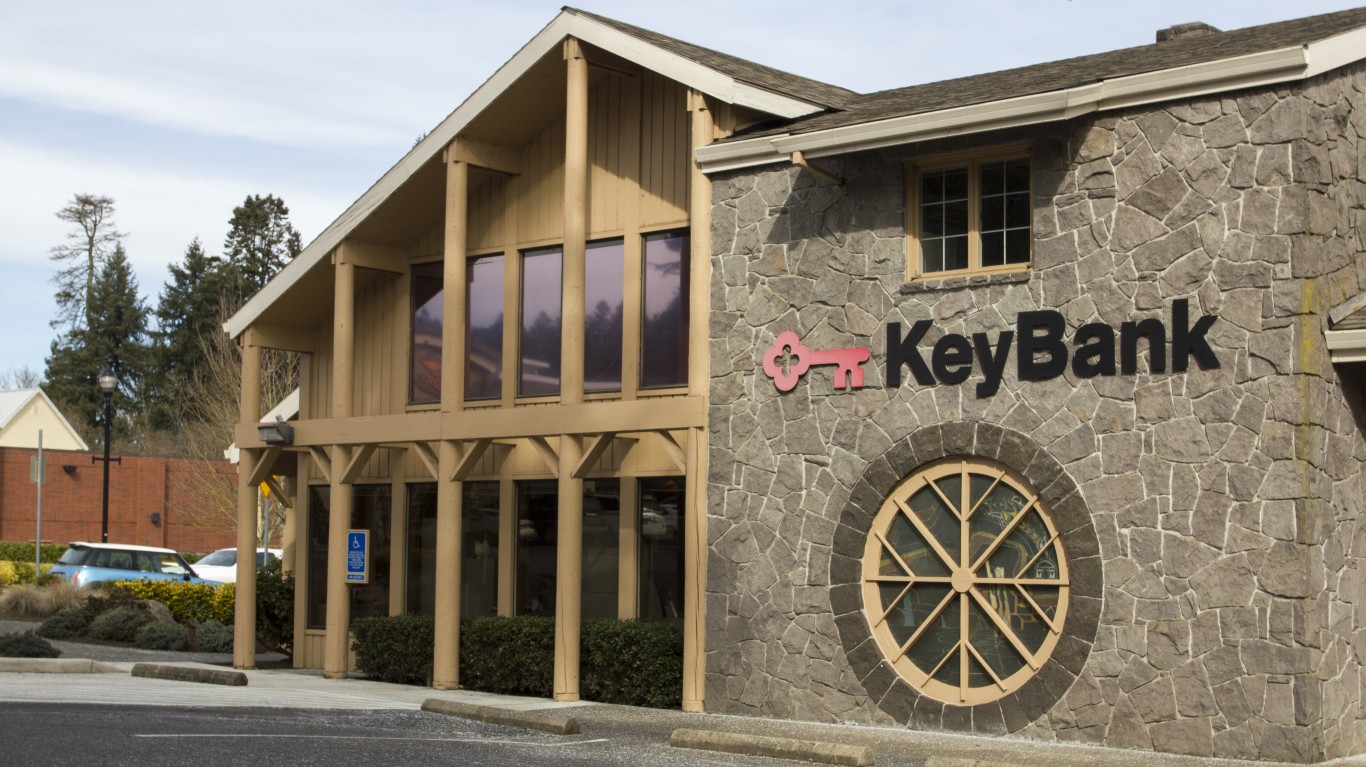
Mid-sized regional banks may be under even more pressure to cut costs. National City Corp (NCC) recently reported a huge loss and had to raise over $7 billion. It has eliminated its dividend and must now look for new places to take out costs. Regional bank Peoples recently closed 20 branches in one small section of Connecticut. Banks usually look for locations outside where their core customer "foot prints" are and shutter locations there.
To a large extent banks are willing to let some consumer and smaller business customers go. These groups tend to have high default rates in a recession. Individuals and companies with relatively small revenue often are in no position to weather a downturn in the economy and lending to these groups has already slowed to a crawl.
Businesses which have been under-served by banking institutions are about to see that situation get worse as banks which invested in risky assets try to save themselves from insolvency. Borrowing money has gotten tough, and it is about to get worse.
Douglas A. McIntyre










 Top Gaining Stocks
 Top Losing Stocks