


 The Bureau of Transportation Statistics reported that 631 million people boarded domestic flights last year. Jet fuel costs were relatively low in 2011. That is no longer true. Americans who cannot afford to travel much by car because of high gasoline prices also may cut air travel because airlines will have to radically alter the way that they do business. Mobility in the U.S. in general will drop sharply this year.
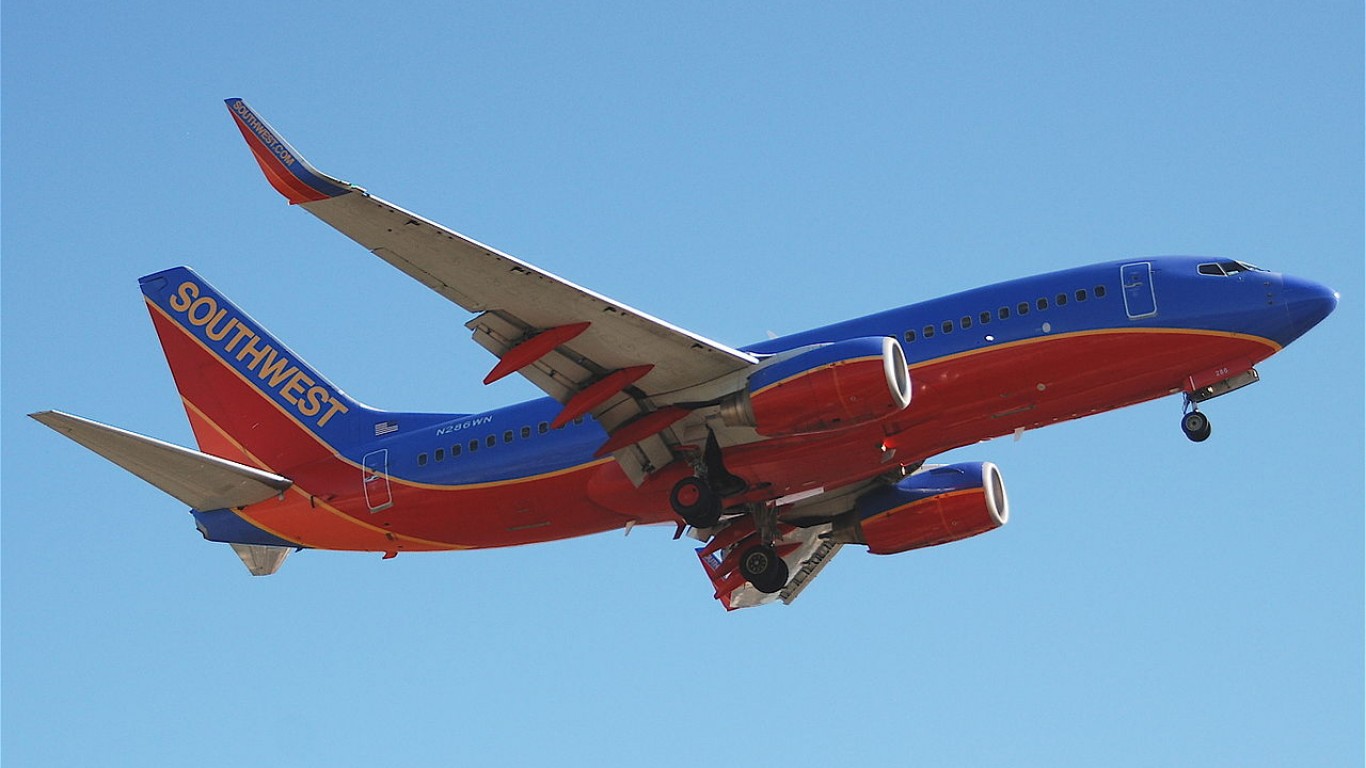
Southwest Airlines (NYSE: LUV) recently reported that it posted a loss for last quarter, mostly because of fuel prices. The carrier will have to raise the costs of tickets or cut capacity to return to profitability. United Continental (NYSE: UAL) reported it indeed would cut capacity, which means fewer flights to fewer cities. Secondary cities, those to which airlines fly infrequently, will bear much of the brunt of this decision. Many Americans will have a harder time getting around, even if they can afford higher ticket costs, baggage fees and the money fliers have to spend for food that used to be part of the ticket price.
There must be statistics somewhere, or projections, that show the effects of what less mobility does to the economy in general. The results of more people staying at or near home cannot be good. People who travel, for business or pleasure, often spend money on more than just the ticket. Ripples of economic activity that help gross domestic product begin to disappear. High gas prices are negative in more ways than one. Americans cut consumer spending on a number of things to make up for high gas prices. Those cuts are more likely to include air travel than was true in 2011. And the impact does not end with general consumer spending, as AMR’s Chapter 11 has shown. Thousands of people will lose their jobs as AMR works through its bankruptcy, which is likely to be adjusted because of the cost of fuel. Other airlines will follow suit, even if they are not aided by Chapter 11.
The focus on high energy prices usually is on how much people travel by car or how much they cut consumer spending because they have to drive. The problem has gone well beyond that. The 631 million people who board planes in a year, some portion of which will not do so in 2012, is a lot of economic activity.
Douglas A. McIntyre






 Top Gaining Stocks
 Top Losing Stocks