Will Buyers Abandon Small Cars Because of Crash Dangers?

Photo of Douglas A. McIntyre
By Douglas A. McIntyre Published
This post may contain links from our sponsors and affiliates, and Flywheel Publishing may receive compensation for actions taken through them.

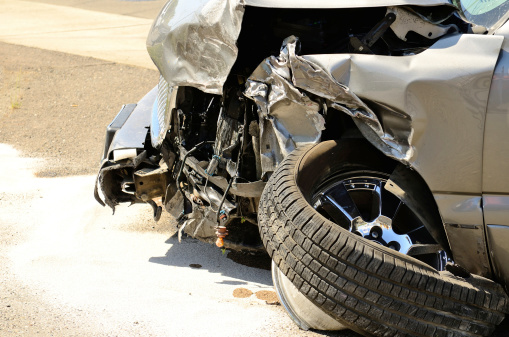
Small cars have several advantages for consumers. First among these is fuel efficiency. Second is that most small cars cost less than larger ones. These may be more than offset by the fact that small vehicles often are not safe to drive. Although the problem makes sense, it was driven home by recent research. And the research results may undermine sales in the important segment, robbing the industry of momentum.

The Insurance Institute for Highway Safety (IIHS) announced:

Only 1 minicar out of 11 tested achieves an acceptable rating in the Insurance Institute for Highway Safety’s small overlap front crash test, making these tiny vehicles the worst performing group of any evaluated so far.

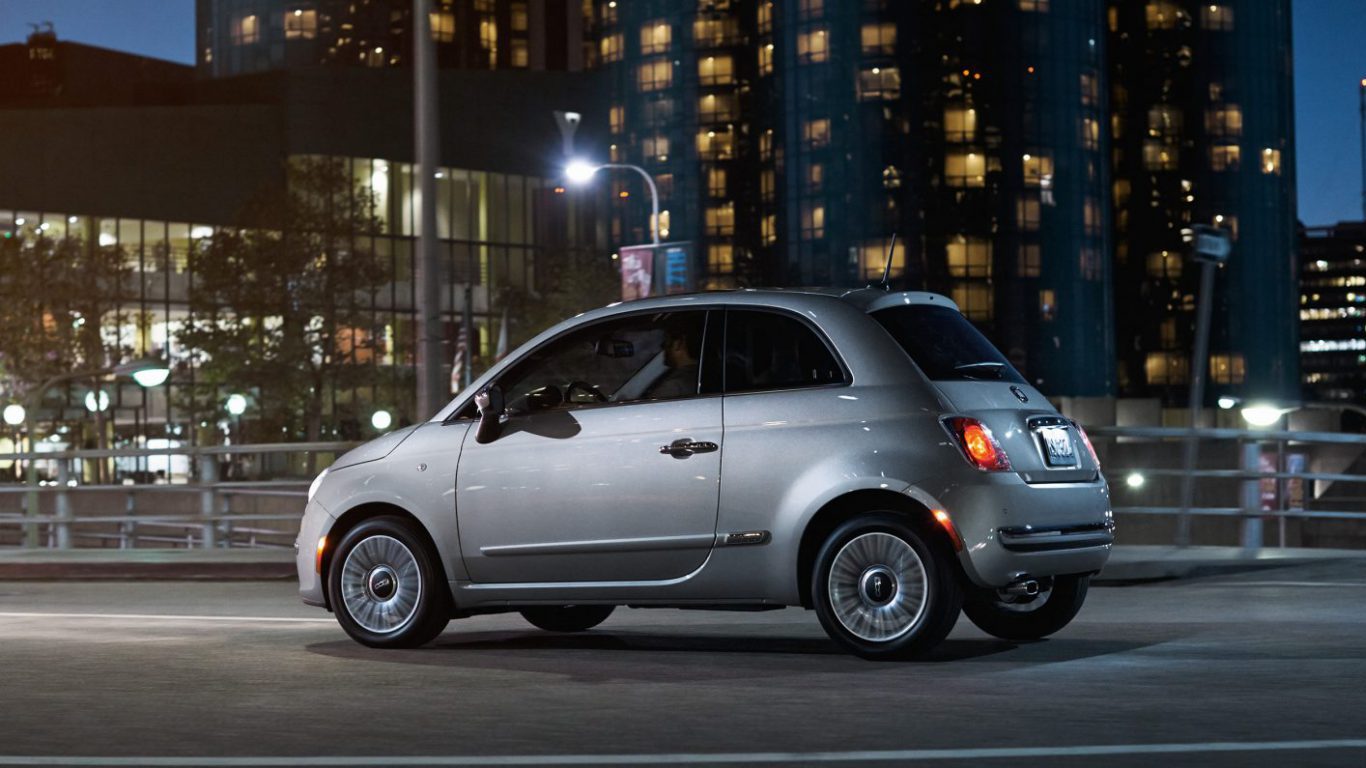
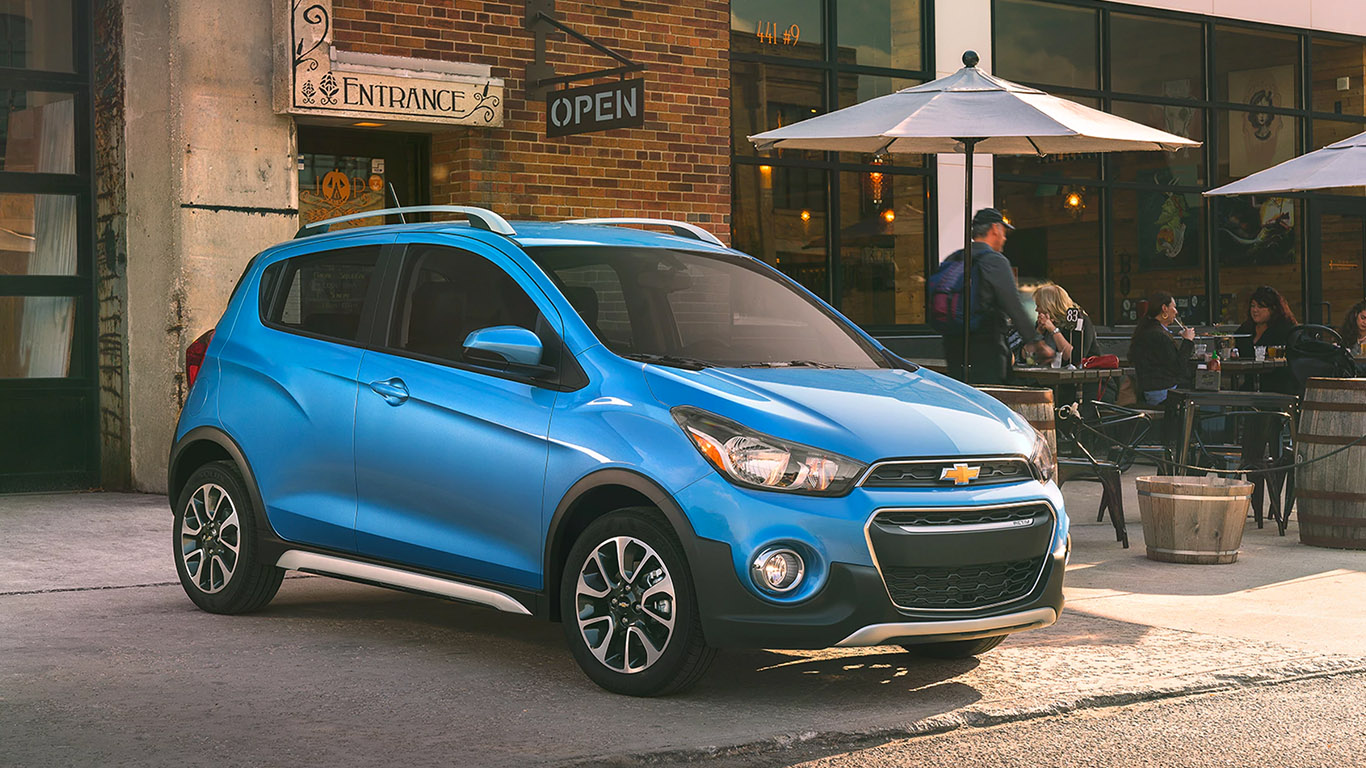
General Motors Co.’s (NYSE: GM) Chevrolet Spark made the cut. The Honda Motor Co. Ltd. (NYSE: HMC) Fit, Toyota Motor Corp. (NYSE: TM) Yaris and Prius C, Ford Motor Co. (NYSE: F) Fiesta, Kia Rio, Hyundai Accent, Fiat 500, Mazda 2, Mitsubishi Mirage and Nissan Versa sedan did not.

Among the factors these cars have in common is price. The Fiesta sells for barely more than $14,000. The Mazda 2 has a base price under $15,000. The Yaris also sells for less than $15,000. The other “dangerous” cars on the IIHS list are priced similarly.

The 11 cars also get extraordinary gas mileage. The Versa gets 40 miles per gallon (mpg) on the highway. The Mirage gets as much as 44 mpg. The Fiat 500 lists its highway mpg at 40 as well. Each of the numbers is extraordinarily low. Low enough — recently — that when married with price, some buyers find them irresistible.

The segment of the auto buyer market to which these cars appeal is likely younger buyers who often do not have the money to afford expensive cars or high gasoline costs. The industry needs these buyers. The University of Michigan’s Transportation Research Institute recently reported that the people most likely to buy cars in general are 55 to 64 years old. This eclipsed the 35-to-44 year old group, which used to lead the list. Authors of a Bloomberg evaluation of the study reported:

Indeed, young people don’t seem that interested in driving. Just 79 percent of people between 20 and 24 had a driver’s license in 2011, compared with 92 percent in 1983, according to the Michigan study.

Conversely, the oldest boomers are trooping down to the Department of Motor Vehicles in growing numbers to remain licensed to drive. Almost 93 percent of those age 60 to 64 had a driver’s license in 2011, up from 84 percent in 1983.

Car companies can ill afford trouble that would undermine sales of cars that appeal to the youth segment of the market. As older buyers reach the end of their driving years, someone has to replace them, or car companies have a hurdle they cannot overcome.

Photo of Douglas A. McIntyre
About the Author Douglas A. McIntyre →

Douglas A. McIntyre is the co-founder, chief executive officer and editor in chief of 24/7 Wall St. and 24/7 Tempo. He has held these jobs since 2006.

McIntyre has written thousands of articles for 24/7 Wall St. He is an expert on corporate finance, the automotive industry, media companies and international finance. He has edited articles on national demographics, sports, personal income and travel.

His work has been quoted or mentioned in The New York Times, The Wall Street Journal, Los Angeles Times, The Washington Post, NBC News, Time, The New Yorker, HuffPost USA Today, Business Insider, Yahoo, AOL, MarketWatch, The Atlantic, Bloomberg, New York Post, Chicago Tribune, Forbes, The Guardian and many other major publications. McIntyre has been a guest on CNBC, the BBC and television and radio stations across the country.

A magna cum laude graduate of Harvard College, McIntyre also was president of The Harvard Advocate. Founded in 1866, the Advocate is the oldest college publication in the United States.

TheStreet.com, Comps.com and Edgar Online are some of the public companies for which McIntyre served on the board of directors. He was a Vicinity Corporation board member when the company was sold to Microsoft in 2002. He served on the audit committees of some of these companies.

McIntyre has been the CEO of FutureSource, a provider of trading terminals and news to commodities and futures traders. He was president of Switchboard, the online phone directory company. He served as chairman and CEO of On2 Technologies, the video compression company that provided video compression software for Adobe’s Flash. Google bought On2 in 2009.

Featured Reads

Our top personal finance-related articles today. Your wallet will thank you later.

Continue Reading

Top Gaining Stocks

CBOE Vol: 1,568,143
PSKY Vol: 12,285,993
STX Vol: 7,378,346
ORCL Vol: 26,317,675
DDOG Vol: 6,247,779

Top Losing Stocks

LKQ
LKQ Vol: 4,367,433
CLX Vol: 13,260,523
SYK Vol: 4,519,455
MHK Vol: 1,859,865
AMGN Vol: 3,818,618