


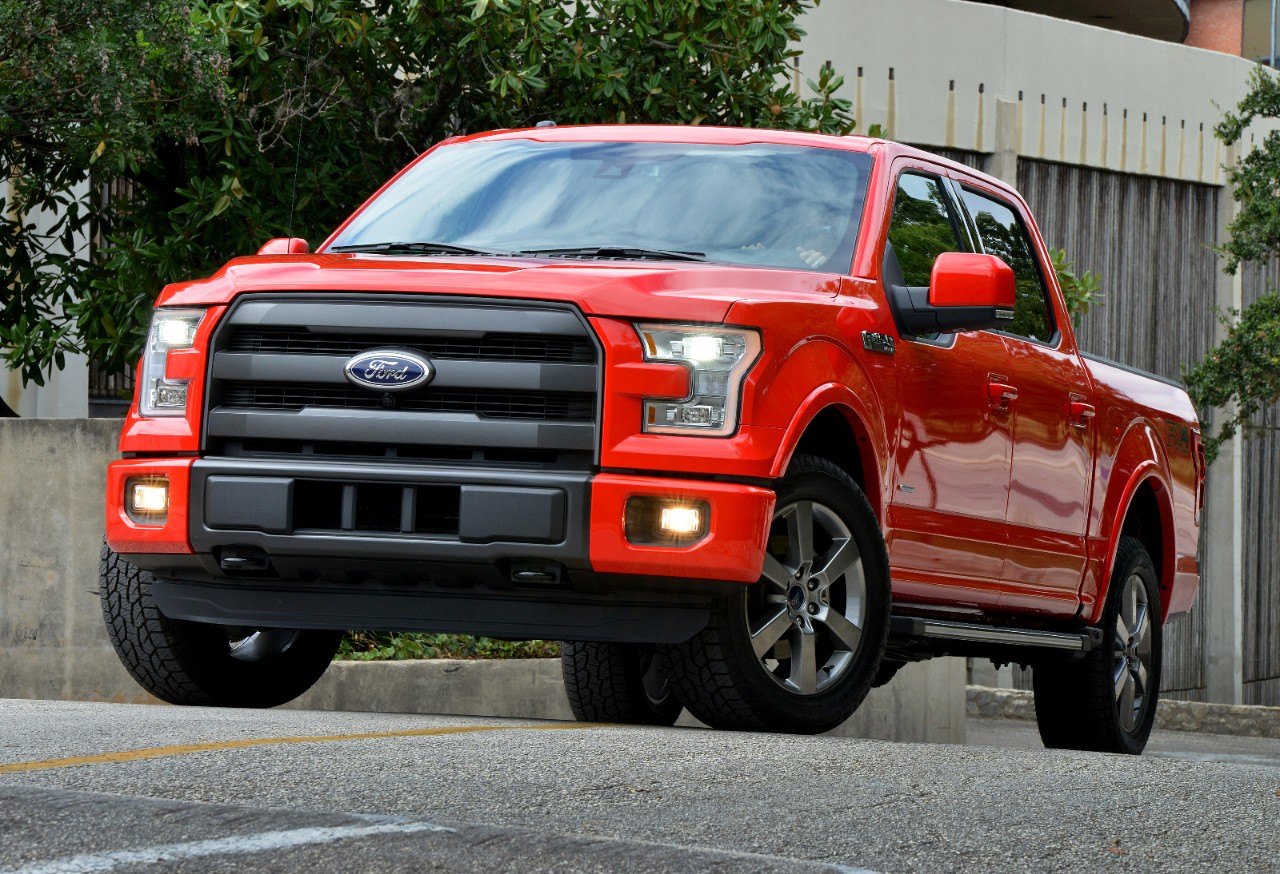
The winner of the prize is determined by 57 auto journalists, and it is considered one of the top honors of the year, along with awards from the major car magazines. Part of the reason the F-150 was chosen is that Ford has changed the truck a great deal and, thus, hopes to alter the playing field for the entire sector.
The new F-Series is made partially of aluminum. That brings its weight down by about 700 pounds. Ford’s argument is that the gas savings will be sufficiently important to draw new customers, particularly from its major competitors, the General Motors Co. (NASDAQ: GM) Chevy Silverado and the Fiat Chrysler Automobiles N.V. (NYSE: FCAU) Ram.
Ford lists the advantages of the new F-Series:
High-strength, military grade, aluminum-alloy body and high-strength steel frame for less weight yet greater strength
Best-in-class towing and payload
Improved power-to-weight ratio across the entire 4-engine lineup for greater performance
Like the Silverado and Ram, the F-Series comes in a number of models, from base models priced near $20,000 to high-end versions with price tags near $60,000.
Ford lost ground in the pickup competition last year, while remaining the top-selling vehicle in the United States. Over the course of 2014, Ford sold 753,851, down 1.3% compared to 2013. Silverado sales were 529,755, an increase of 10.3%. Ram sales rose 23.6% to 439,789. It is hard to say what role incentives played in the numbers or what profits each model brought its parent, but it is not hard to say that the results were not in Ford’s favor.
The 750,000 F-Series benchmark is a magic number, although sales of more than 800,000 would be better proof that the overhaul of the F-Series is a success. However, Ford cannot make a case for the benefits of the change if its sales are flat while those of the Silverado and Ram continue to surge in 2015. If so, the most significant change in the F-Series in years will have failed.





 Top Gaining Stocks
 Top Losing Stocks