


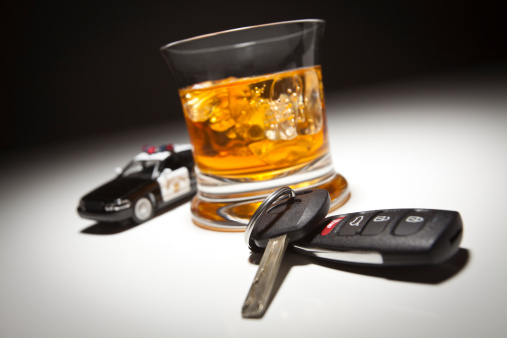
One system includes a breathalyzer mounted in the steering wheel that measures the number of alcohol molecules in the driver’s breath. The other is a touch-based system that detects blood-alcohol levels using infrared tissue scanners. Both systems detect blood alcohol concentrations higher than 0.08% and automatically shut down the car. The devices were developed under a program called the Driver Alcohol Detection System for Safety (DADSS).
NHTSA Administrator Mark Rosekind said:
Education, awareness and enforcement have succeeded in dramatically reducing drunk driving fatalities, but the advanced technology of DADSS brings enormous potential to save even more lives. … DADSS has enormous potential to prevent drunk driving in specific populations such as teen drivers and commercial fleets, and making it an option available to vehicle owners would provide a powerful new tool in the battle against drunk driving deaths.
According to NHTSA, the objective of the DADSS program is to complete the research within the next five years that would lead to the introduction of these technologies into the vehicle fleet.
The national president of Mothers Against Drunk Driving (MADD), Colleen Sheehey-Church, said:
For 35 years, MADD has worked to stop the horrible crime of drunk driving. This technology represents the future, when one day drunk driving will be relegated to the history books. While we still have a lot of work to do, we are closer than ever to eliminating drunk driving.
There are sure to be objections to incorporating the technology into new cars. We can already hear the outbursts against the nanny state. But a tougher problem might be the optional purchase of such a device. Unless the device is mandated, it is difficult to see widespread adoption among that part of the driving public that needs it most.









 Top Gaining Stocks
 Top Losing Stocks