


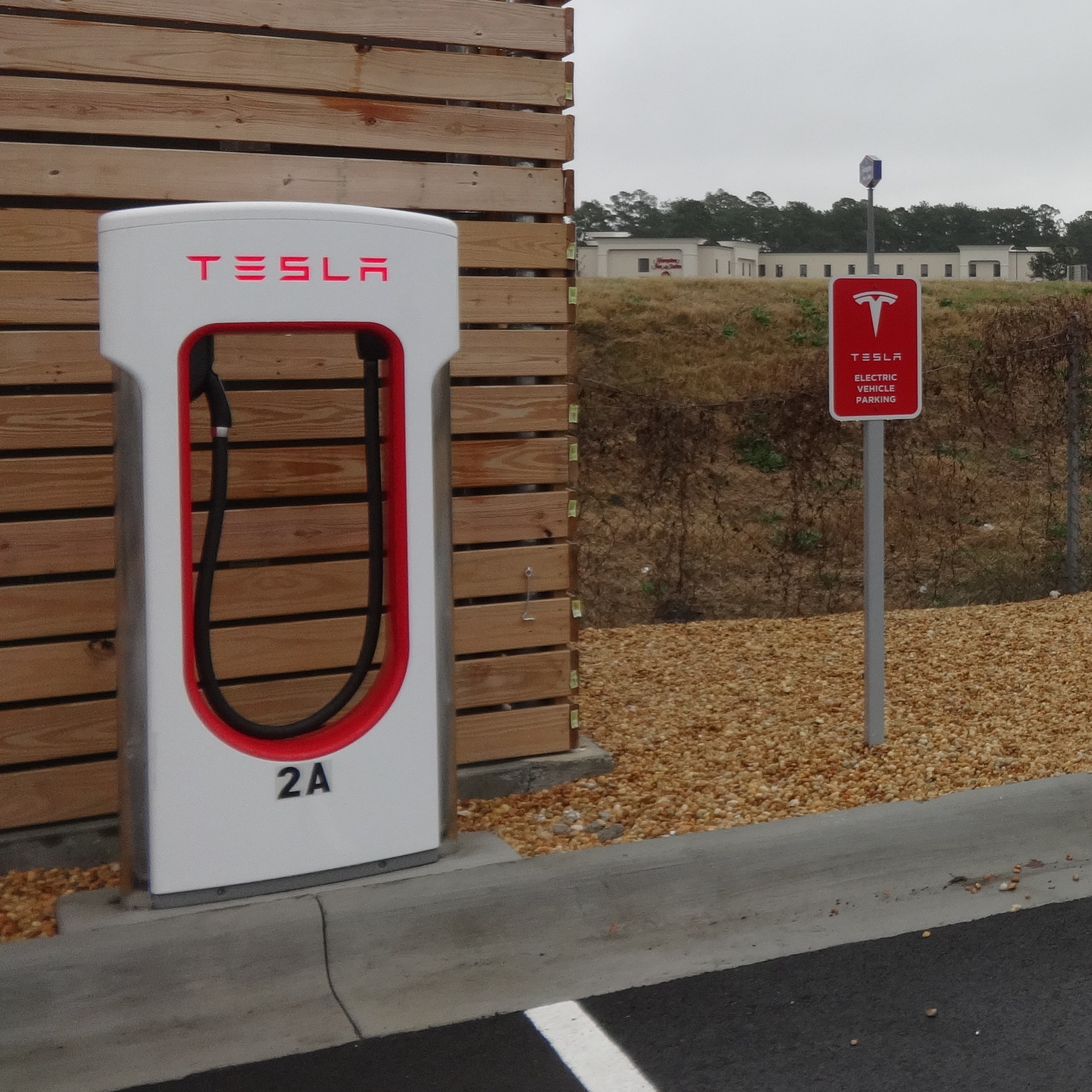
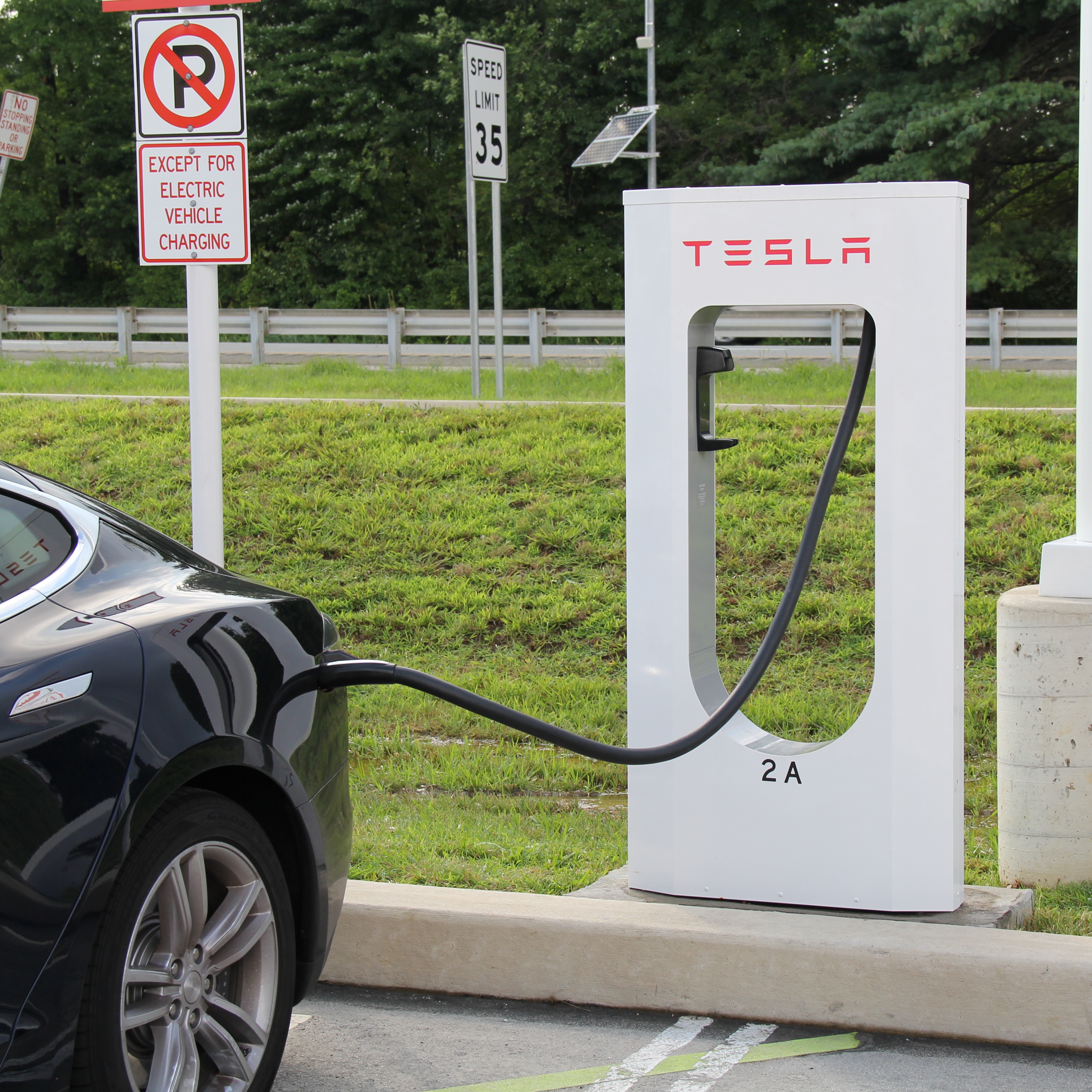
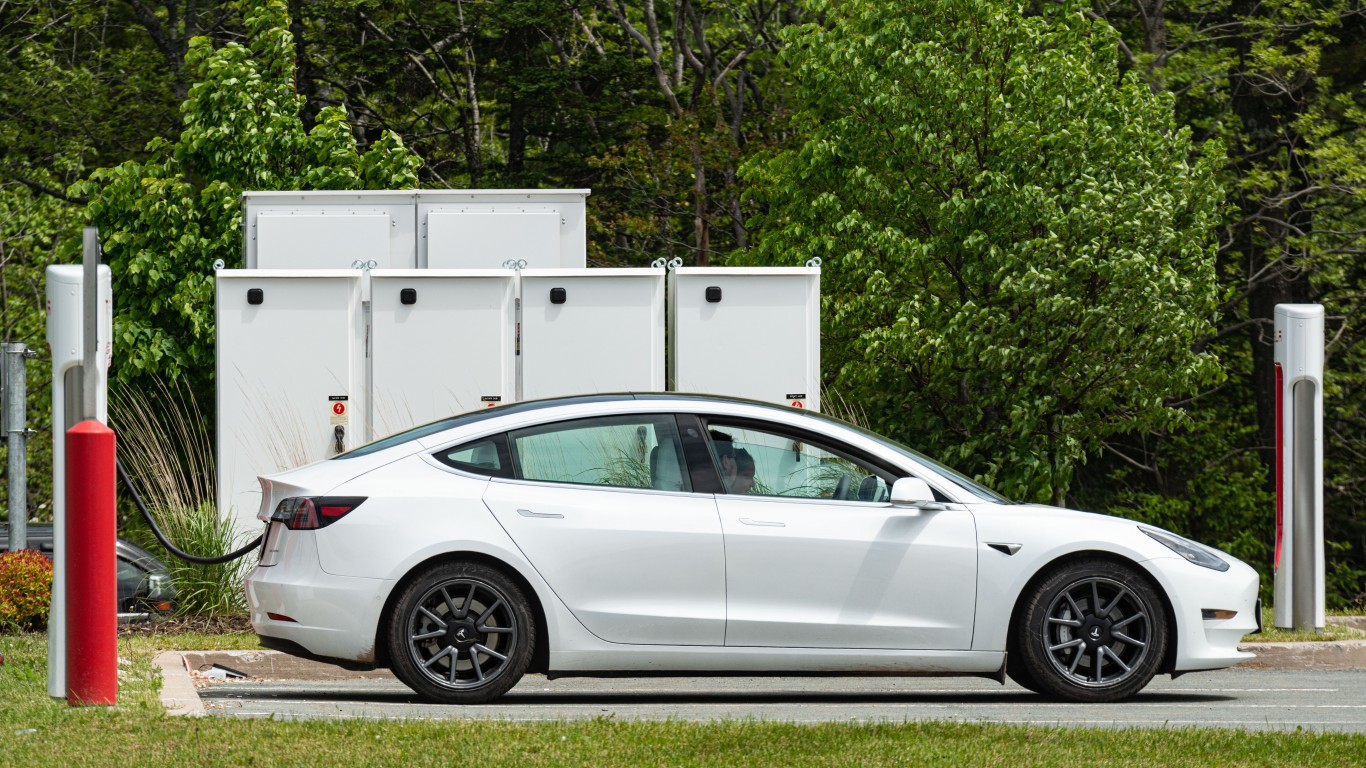
[cnxvideo id=”655236″ placement=”ros”]Not long ago, owners of Tesla Motors Inc. (NASDAQ: TSLA) vehicles could charge those cars for free. Owners have two options. Charge the car at home (or somewhere else with the right plug) or at one of hundreds of Superchargers on a network that covered virtually all the states. Now Tesla has changed its Supercharger strategy. It will charge customers, but not very much.
Presumably the cost to build the stations is high. Tesla has to lease real estate, then build several chargers and power them off the energy grid. Tesla’s new program should cover some of those costs, although it will only get money from people who drive long distances. Owners of Model S and Model X vehicles bought after January 15 or delivered after April 15, will receive 400 kWh for free. Tesla claims this should allow drivers to cover 1,000 miles, which the company says is what an average driver does annually. Tesla says this means most drivers will continue to charge their cars for free.
Prices for the use of Superchargers beyond free credits will vary from state to state and country to country. Tesla says this is because its cost to provide electricity varies as well. However, the service will be cheap, the company presumes, at least compared to gasoline.
[nativounit]
In the announcement of the service, Tesla gave examples of what a road trip would cost:
To put the affordability of Supercharging into perspective, customers will pay about $15 for a road trip from San Francisco to Los Angeles, about $120 from Los Angeles to New York, about €60 from Paris to Rome, and about ¥400 from Beijing to Shanghai.
Since very few people drive from coast to coast in the United States, in any car, very few people will have to pay $120 for one trip.
One of the anxieties Wall Street has about Tesla is that it will not make any significant money in the foreseeable future. Its costs to build and maintain its Gigafactory, which recently went online, are huge. Its goal to sell 500,000 cars by 2020 will be expensive.
Tesla won’t get much money from its Supercharger network, but it will begin a process in which the customer does not get a lot of services for free.
[wallst_email_signup]






 Top Gaining Stocks
 Top Losing Stocks