


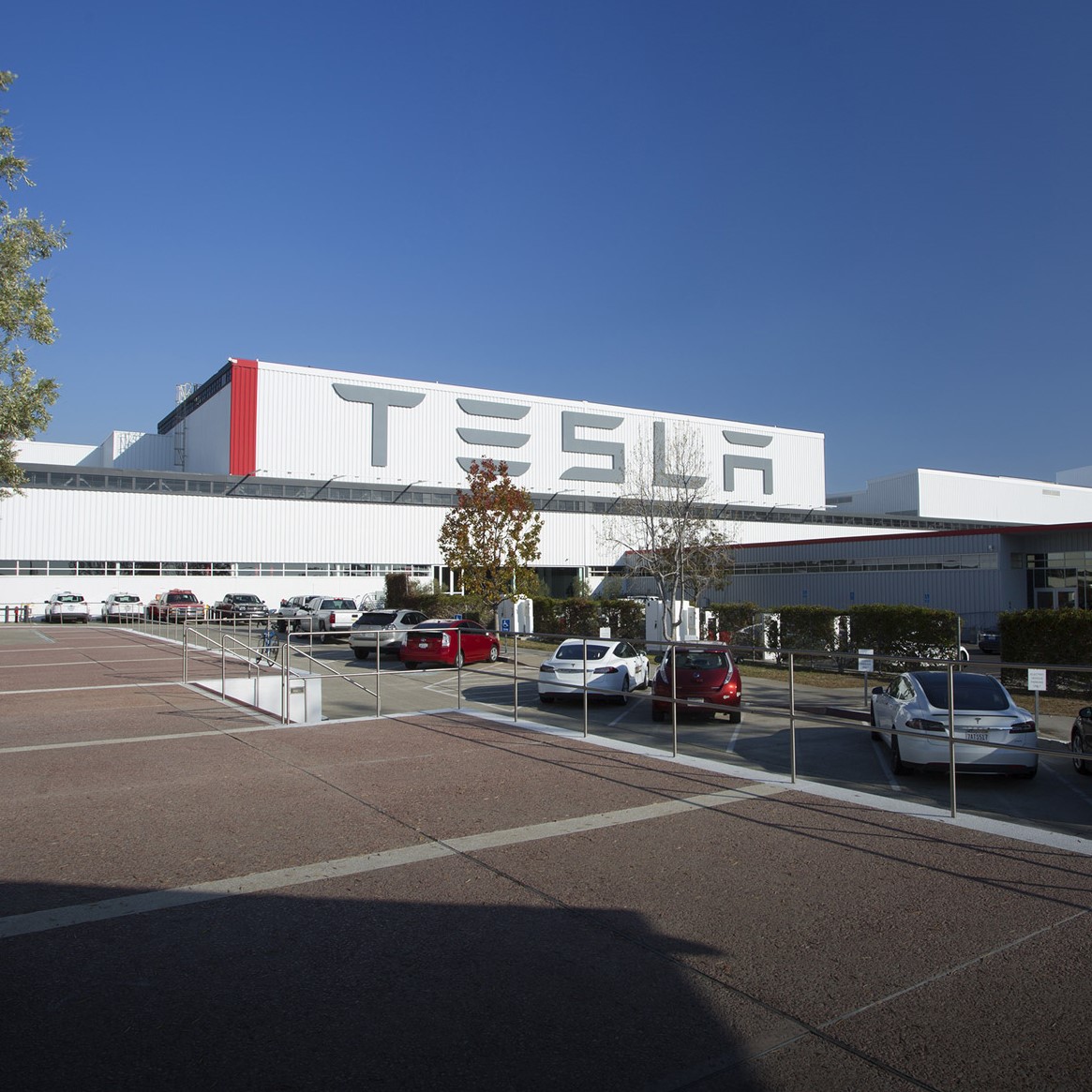
Since an assembly line worker’s February blog post, Tesla Inc. (NASDAQ: TSLA) has been peppered with charges of long hours, low wages and high injury rates. A report published Wednesday by a California-based nonprofit examined the company’s federal filings on workplace accidents.
Worksafe, the organization that prepared the report, says its goal is to “prevent injury, illness, and death by bringing justice to the workplace.” The group reviewed Occupational Safety and Health Administration (OSHA) forms from workers at Tesla who had exercised their right to have the forms made available to them.
Tesla has responded to the challenges, first in February, in an email from CEO Elon Musk to all employees and earlier this month in an official blog post. The company does not deny that its injury record is “not perfect,” acknowledging that the company’s Model S and Model X vehicles “were not designed for ease of manufacturing — far from it.” But, the company said, it has made improvements, and its injury rate in the first quarter of 2017 is 32% better than the industry average.
[nativounit]
The Worksafe report calls out three key findings from its review of the OSHA documents:
- Tesla’s total recordable incidence (injury) rate (TRIR) in 2015 was 31% higher than the auto industry average — 8.8 injuries per 100 workers, compared to 6.7 in the industry as a whole.
- Tesla’s TRIR for 2016 was 8.1 injuries per 100 workers (industrywide data for the year is not available yet).
- Tesla’s rate of serious injuries — called the DART rate for “Days Away, Restrictions, and Transfers” — in 2015 was 7.9, nearly double the industry average of 3.9. Tesla reduced its DART rate to 7.3 last year.
Worksafe also looked at the company’s recent statements on declining injury rates in the first quarter of this year and concluded that the data is “too preliminary to be considered accurate given Tesla’s erratic reporting patterns.”
The full Worksafe report includes “testimony” from Tesla workers, “some of whom have safety concerns that might not be captured by the official data for many years, if at all.” Worksafe also takes the company to task over the accuracy of the filed reports.
Tesla stock traded down about 0.5% early Thursday, at $308.97 in a 52-week range of $178.19 to $327.66.
[wallst_email_signup]






 Top Gaining Stocks
 Top Losing Stocks