


The Republican tax cut bill was delivered to the president’s desk on Wednesday, and he is expected to sign it early in January. Virtually every industry in America and every analyst of every industry is looking to gauge the impact on the industry they work in or analyze.
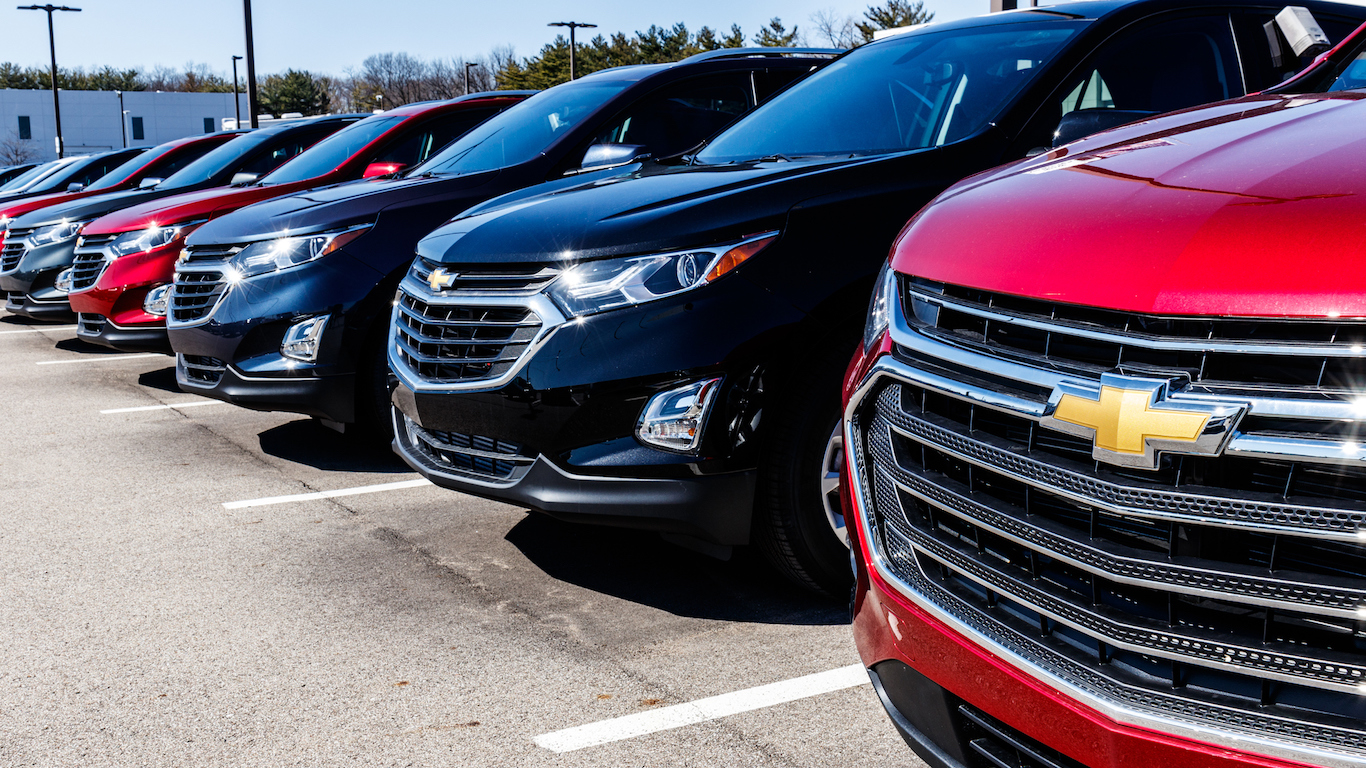
Among the first to change its outlook for 2018 is the auto industry. Analysts at Cox Automotive, parent company of Kelley Blue Book, had previously projected new car sales at 16.6 million units in 2018. Analysts have now raised that total by 100,000 to 16.7 million new cars sold next year.
The analysts also raised their estimate of used car sales for next year to 39.5 million units. The new projections combine to yield total sales of 56.2 million vehicles next year, essentially flat with the expected final tally for 2017.
[nativounit]
The previously expected decline in auto sales was based on an expected decline in new car sales. Jonathan Smoke, Cox Automotive’s chief economist, explains:
The additional spending power that most households will have due to tax reform should result in a continued ‘move up’ in what consumers purchase. We’ve already seen preferences shift to crossovers away from sedans, which has corresponded with ever increasing transaction prices in the new vehicle market. Now with more take home pay, more households will be able to consider more expensive vehicles such as trucks, SUVs, and luxury vehicles. At a minimum, increased take home pay will help mitigate the impact of higher interest rates on the monthly payment most households can afford.
Senior economist Charlie Chesbrough added:
The doubling of the standard deduction will lift the spending power of most vehicle buyers, and used vehicle sales will benefit the most. The average household income of a buyer in the used market is $70,000 vs. $100,000 in the new market. While the nominal tax savings will be largest among high income Americans, vehicle affordability will improve the most and across the broadest base for lower income brackets. The expected impact on the used market will be to improve both quantity and quality.
And for those consumers considering the purchase of an electric vehicle, the tax bill retained the current incentives for electric car buyers. A credit of up to $7,500 is available for fully electric vehicles like the Chevy Bolt and Tesla Models S, X and 3.
[recirclink id=428809]
[wallst_email_signup]







 Top Gaining Stocks
 Top Losing Stocks