Tesla Debt Downgrade Worse Than Crash Investigation

Photo of Douglas A. McIntyre
By Douglas A. McIntyre Updated Published
This post may contain links from our sponsors and affiliates, and Flywheel Publishing may receive compensation for actions taken through them.
Tesla Debt Downgrade Worse Than Crash Investigation

© Thinkstock

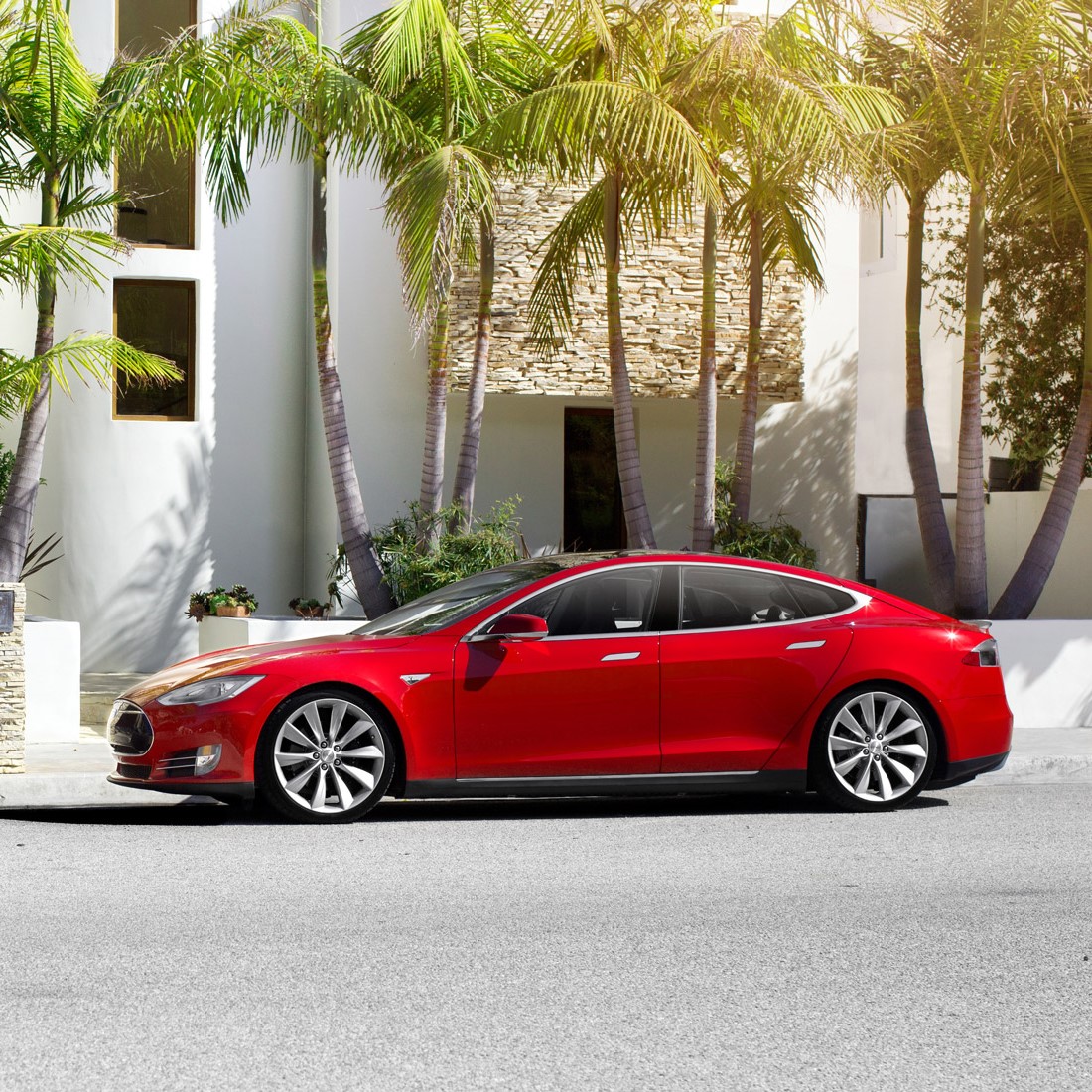
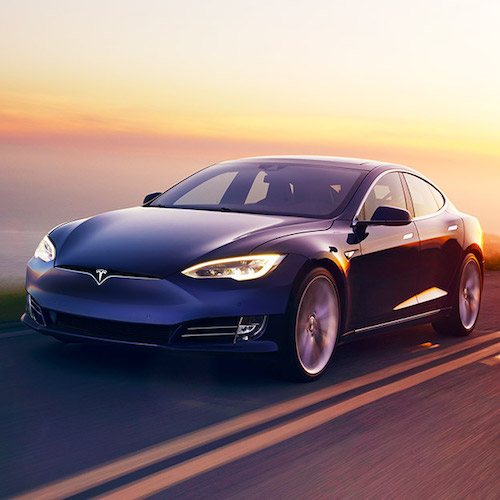
The National Transportation Safety Board (NTSB) will investigate the fatal crash of a Tesla Model X. While that was the most visible headline about Tesla Inc. (NASDAQ: TSLA) in the past few days, a downgrade of its debt by Moody’s is a greater problem.

The fatal crash, in which the driver of the Tesla was killed, involved three cars. It is not even known whether the Tesla was in self-driving mode. The accident may have totally been driver error.

The NTSB said very little about the crash in a tweet:

[nativounit]

A fatal crash of a self-driving Uber and the decisions by Toyota and Nvidia to suspend their self-driving experiments led to more hysteria about the safety of the systems. However, industry leader Waymo said its self-driving cars are safe and that its advanced-stage experiment will continue.

Moody’s raised issues about Tesla’s ability to continue financing its operations and the structure of its debt. The credit rating agency, which already rates Tesla in the junk bond category, cut the rating yet again. The firm’s researchers wrote:

Moody’s Investors Service downgraded Tesla, Inc.’s (Tesla) Corporate Family Rating (CFR) to B3 from B2, unsecured note rating to Caa1 from B3, and Speculative Grade Liquidity rating to SGL-4 from SGL-3. The outlook is negative.

Tesla’s ratings reflect the significant shortfall in the production rate of the company’s Model 3 electric vehicle. The company also faces liquidity pressures due to its large negative free cash flow and the pending maturities of convertible bonds ($230 million in November 2018 and $920 million in March 2019). Tesla produced only 2,425 Model 3s during the fourth quarter of 2017; it is currently targeting a weekly production rate of 2,500 by the end of March, and 5,000 per week by the end of June. This compares with the company’s year-earlier production expectations of 5,000 per week by the end of 2017 and 10,000 by the end of 2018.

At its core, the comments question whether Tesla’s basic business plan is so flawed that it threatens the company’s ability to be successful at all. If it is not the worst sort of news Tesla could get, it is close.

[recirclink id=452600]

[wallst_email_signup]

Photo of Douglas A. McIntyre
About the Author Douglas A. McIntyre →

Douglas A. McIntyre is the co-founder, chief executive officer and editor in chief of 24/7 Wall St. and 24/7 Tempo. He has held these jobs since 2006.

McIntyre has written thousands of articles for 24/7 Wall St. He is an expert on corporate finance, the automotive industry, media companies and international finance. He has edited articles on national demographics, sports, personal income and travel.

His work has been quoted or mentioned in The New York Times, The Wall Street Journal, Los Angeles Times, The Washington Post, NBC News, Time, The New Yorker, HuffPost USA Today, Business Insider, Yahoo, AOL, MarketWatch, The Atlantic, Bloomberg, New York Post, Chicago Tribune, Forbes, The Guardian and many other major publications. McIntyre has been a guest on CNBC, the BBC and television and radio stations across the country.

A magna cum laude graduate of Harvard College, McIntyre also was president of The Harvard Advocate. Founded in 1866, the Advocate is the oldest college publication in the United States.

TheStreet.com, Comps.com and Edgar Online are some of the public companies for which McIntyre served on the board of directors. He was a Vicinity Corporation board member when the company was sold to Microsoft in 2002. He served on the audit committees of some of these companies.

McIntyre has been the CEO of FutureSource, a provider of trading terminals and news to commodities and futures traders. He was president of Switchboard, the online phone directory company. He served as chairman and CEO of On2 Technologies, the video compression company that provided video compression software for Adobe’s Flash. Google bought On2 in 2009.

Featured Reads

Our top personal finance-related articles today. Your wallet will thank you later.

Continue Reading

Top Gaining Stocks

CBOE Vol: 1,568,143
PSKY Vol: 12,285,993
STX Vol: 7,378,346
ORCL Vol: 26,317,675
DDOG Vol: 6,247,779

Top Losing Stocks

LKQ
LKQ Vol: 4,367,433
CLX Vol: 13,260,523
SYK Vol: 4,519,455
MHK Vol: 1,859,865
AMGN Vol: 3,818,618