


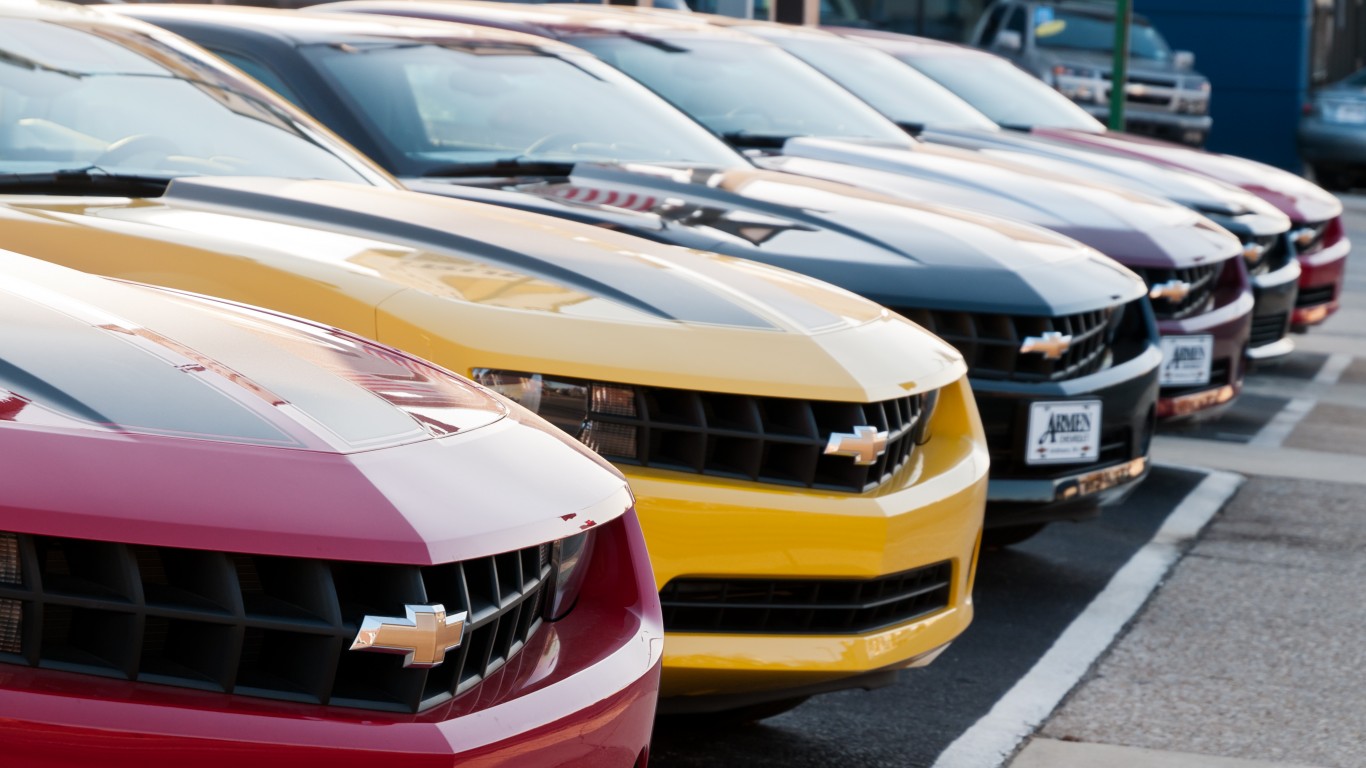
Whether U.S. consumers are purchasing a new car or a used model, chances are that an auto loan is involved. More than 86% of all new car buyers and nearly 55% of used car buyers financed vehicle purchases in the second quarter of this 2018.
The average loan amount to purchase a new vehicle reached $30,958, up $724 (about 2.4%) compared to the same period last year. Loans to purchase a used car averaged $19,536, up $520 (about 2.7%) year over year. Second-quarter used car averages hit a record high, according to data reported last week by Experian Automotive.
Auto analysts at Kelley Blue Book have estimated that the average price of a new vehicle at the end of June had reached $35,640. The average transaction price on a midsize sport utility vehicle rose 1% year over year in June to $38,249, while the average for full-size luxury SUV rose 8.3% to a whopping $88,013.
The better a car buyer’s credit rating, the lower the available interest rate on a car loan. No surprise there, but the gap between the top and the bottom is vast. A super-prime buyer (credit score of 781 or higher) paid an average of 3.47% interest on a new car purchase in the first quarter. A deep-subprime buyer (credit score of 300 to 500) paid an average interest rate of 14.93% on a new car.
[nativounit]
The gap on used cars, especially at independent dealers that often finance their own sales, was even wider. A super-prime borrower paid an average interest rate of 4.30% to buy a used car from an independent dealer while a deep subprime buyer paid an average interest rate of 20.34%.
The total U.S. open car loan balance for the first quarter of 2018 was $1.15 trillion, up from $1.1 trillion in the second quarter of 2017 (4.5%) and up from $1.03 trillion in the second quarter of 2016 (11.9%).
Banks hold 32% of the outstanding balance while dealer captive finance holds 22.6%, credit unions hold 28.6% and finance companies hold 16.7%.
Other data points culled from the study:
- The average credit score for a new vehicle loan was unchanged at 722 year over year.
- The average credit score for a used vehicle loan increased seven points to 680.
- In the second quarter, the average monthly payment for a new vehicle hit $525, a year-over-year increase of $20 and a new all-time high.
- The average interest rate for new vehicle loans to all borrowers rose to 5.76%, up 56 basis points year over year.
- Loan terms for new vehicles were flat compared with the second quarter of last year at 68.8 months. Terms for used vehicle loans rose to 64.33 months, up by 0.36.
- Leases accounted for 30.41% of all new car transactions, down about 0.4 percentage points compared with the second quarter of 2017.
- Lease terms rose slightly to average 36.19 months in the second quarter.
[recirclink id=489215]
Automakers release August sales data Wednesday morning, and analysts expect sales to come in about 1% higher than last August. The increase is due to the low sales last year as two major hurricanes (Harvey and Irma) tore through Texas and Florida. Analysts at Kelley Blue Book have estimated that the industry average new car transaction price will be 1.8% higher this year at $35,541, slightly lower than the average at the end of the second quarter.
The full report is available from the Experian website with free registration.
[wallst_email_signup]








 Top Gaining Stocks
 Top Losing Stocks