


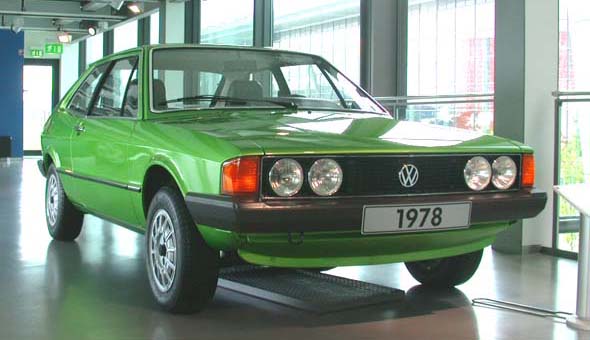
For decades, the gold standard of research about US auto quality has been JD Power studies. Most of its research reports have been issued for decades. It recently released this year’s version of the Vehicle Dependability Study (VDS). The brand at the bottom was Volkswagen, the largest car company in Europe and second only to Toyota worldwide by unit sales.
The study is known for its completeness. It looks at vehicles that have been owned for three years. By its definition, this is the 2023 model. The study collects data on 184 specific problem areas across nine major vehicle categories. The nine are: 1) climate, 2) driving assistance hardware and software, 3) the experience of the driver, 4) the car’s exterior, 5) features/controls/displays, 6) infotainment system; 7) the car’s interior, 8) its powertrain, and 9) its seats, The research covered data from 33,268 original owners. It was in the field from December 2024 through November 2025.
The yardstick used in the study was problems per 100 vehicles (PP100). Car quality across the industry got slightly worse from the year before. The researchers wrote, “Compared with 2025 results, vehicle problems after three years of ownership have increased by 2 problems per 100 vehicles (PP100), resulting in an industry average of 204 PP100. “ They also pointed out that, as people hold their vehicles longer, these problems become more important. New car sales have been hurt recently because the average price of these has topped $50,000 for the first time.
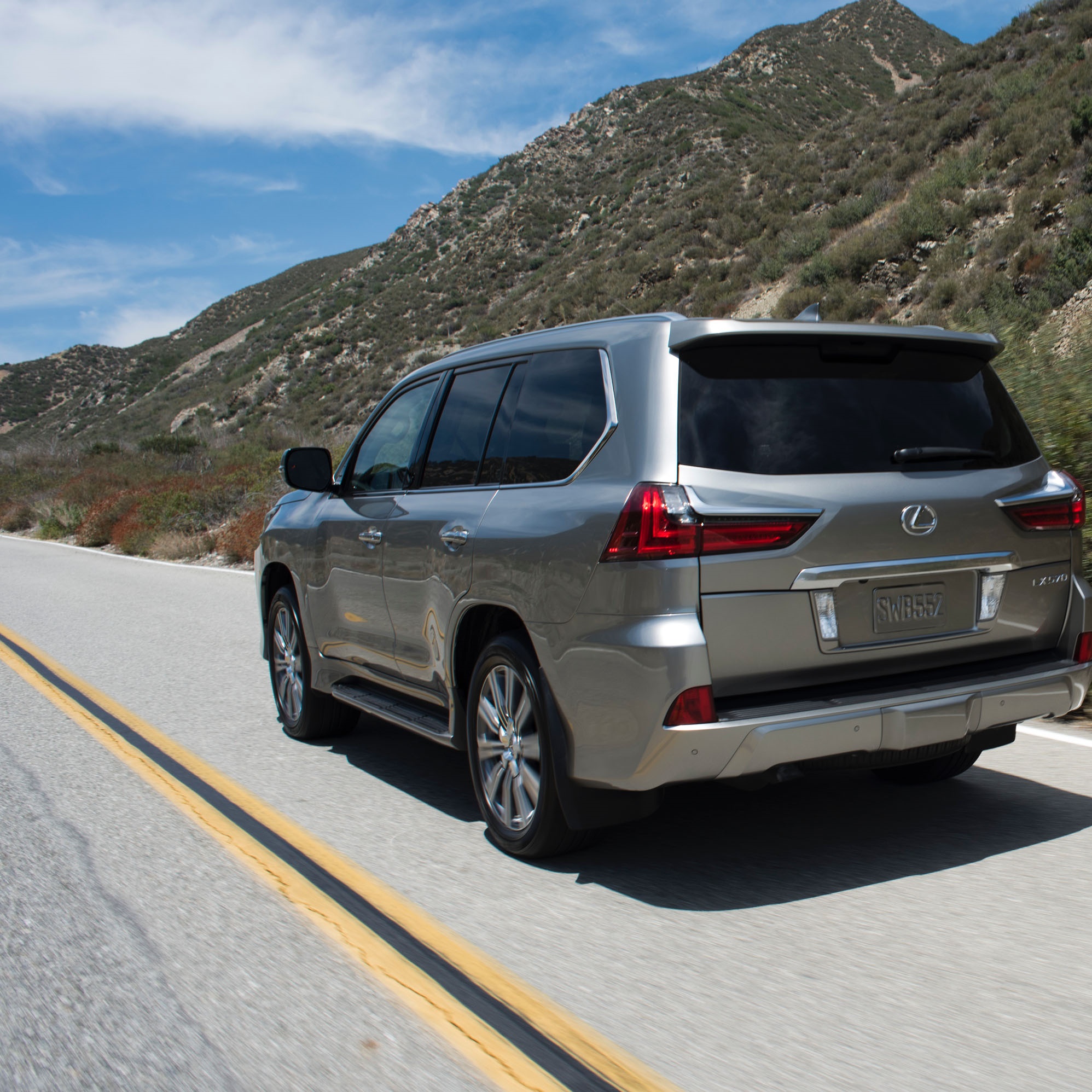
The industry average PP100 is 204 across 28 brands. The list was topped by Lexus, Toyota’s (NYSE: TM | TM Price Prediction) luxury division, with 151. GM’s (NYSE: GM) Buick was second at 160.
VW’s figure was an extraordinarily high 301, followed by Volvo at 296.
Compared to its size globally, VW is very small in America. It sold 329,813 cars in the US last year, down by 13% from 2024. VW’s vehicles are in the mid-price range compared to most other brands, with MSRPs that run from $24,000 to $50,000. Given its quality issues, sales could fall below the disappointing 2025 figure.








 Top Gaining Stocks
 Top Losing Stocks