



It may seem like a fool’s errand to attempt a 30-year forecast for anything. In 1988, for example, who could have foreseen the computing power available in a smartphone on a wireless network that is available essentially globally?
But the difficult predictions have to be made so that industry players have targets to aim at and the flexibility to move those targets when the facts on the ground change. The forces that drive those changes are economic, demographic and technological.
After looking at the variety of economic and other forces that will affect the market for gold, the World Gold Council (WGC) head of research and chief market strategist, John Reade, conjures a look at the gold market in 2048 with the following caveat:
[A] number of recent market developments were in sight even in the 1980s and, looking ahead, it may be easier to forecast longer-term trends, as they suffer less from short-term cyclicality. Of course, it is almost impossible to forecast the out-of-the-box changes but we’ve done our best.
[nativounit]
Weighing the factors that affect the jewelry market, Reade notes:
Looking ahead, we do not expect a substantial recovery in developed-market jewellery demand, as historic buyers of large amounts of jewellery are ageing. Young, developed market consumers appear to favour experiences over material possessions and jewellery has struggled as a result of this trend.
Demand for gold for investment purposes has changed dramatically since 1988. Gold-backed ETFs have generated substantial new demand for gold during that period, but now the gold industry is facing a new challenge from digital currencies. Says Reade:
Overall, therefore, we believe interest in gold as an investment asset class is likely to increase over the next 30 years, although clearly this will ebb and flow, in line with perceptions of stability and economic growth prospects.
Demand from the technology market will expand primarily because demand for electronic gadgets will continue to rise. The WGC concludes that demand is unlikely to disappear in this sector, but it doesn’t go too far out on a limb.
On the supply side, Reade is cautious:
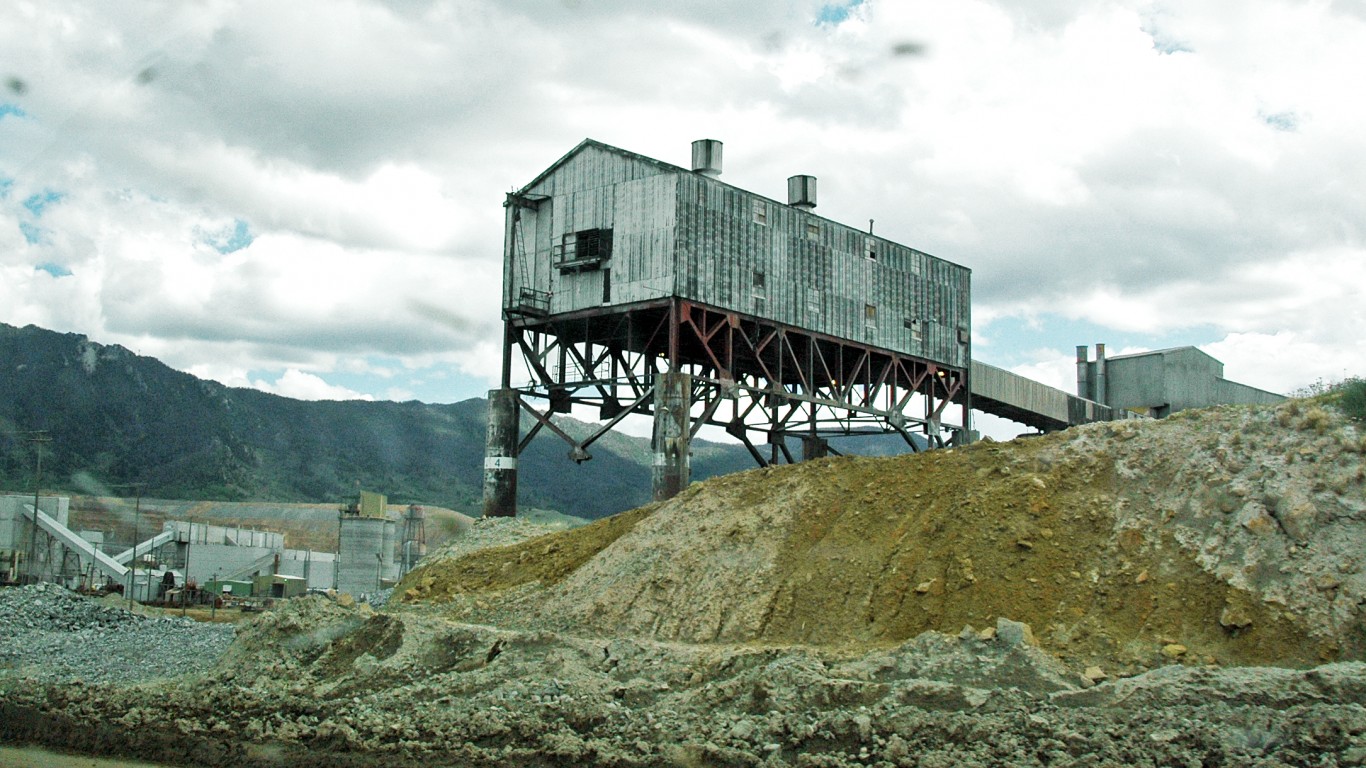
We expect new mine supply to decline over the next 30 years, hit by rising costs. … [E]ven today, new gold mines need a price of about US$1,500/oz, and with costs having increased at a compound annual rate of 10% over the past 15 years, additional [environmental, social, and governance] costs are likely to mean that even higher gold prices will be required in the future.
Reade also cites three major factors that likely will dominate gold trading over the next three decades. First, regulatory changes; second, mobile applications; and third, adoption of gold as a crypto asset. He concludes, “[W]e believe that the gold industry should be alive and well at the end of [the next 30-year] period.”
The full report is available for download at the WGC website.
[recirclink id=461760]
[wallst_email_signup]





 Top Gaining Stocks
 Top Losing Stocks