


The numbers come from the latest research at International Data Corp. (IDC), and some of the other data in the report spells good news for Google Inc. (NASDAQ: GOOG) and not-so-good news for Apple Inc. (NASDAQ: AAPL).
According to IDC’s analyst:
One in every two tablets shipped this quarter was below 8 inches in screen size. And in terms of shipments, we expect smaller tablets to continue growing in 2013 and beyond. Vendors are moving quickly to compete in this space as consumers realize that these small devices are often more ideal than larger tablets for their daily consumption habits.
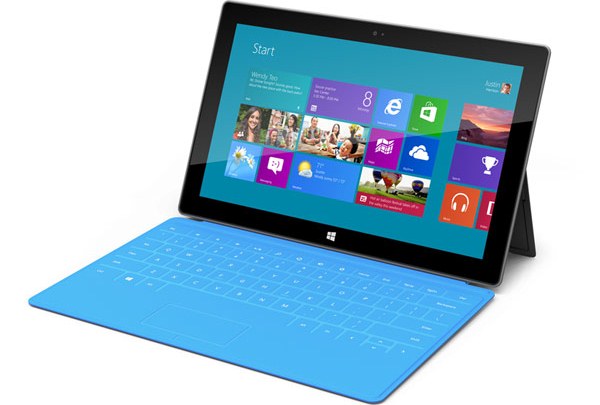
Tablets based on Google’s Android operating system are expected to grab 48.8% of the 190 million units shipped in 2013, compared to 46% of global shipments going to Apple’s iOS-powered iPads. IDC forecasts that Microsoft Corp. (NASDAQ: MSFT) will increase its Windows 8 platform market share from 1% this year to 7.4% in 2017, while the Windows RT platform share remains below 3% through the period.
The low cost of tablets continues to pressure the market for e-readers, which IDC will grab a bit more market share in 2013 than in 2012, but begin a gradual and permanent decline in 2015. E-reader shipments totaled 18.2 million in 2012.
The lower cost of the smaller screen sizes is what will drive Android’s penetration in the market and that is also what might be weighing on the forecast for Apple. The iPad mini is eating away at iPad sales (and margins) and that trend is unlikely to stop.
In terms of market share in 2017, IDC forecasts Android with 46%, iOS with 43.5%, Windows with 7.4%, Windows RT with 2.7%, and all others with 0.6%. The compound annual growth rate for Windows is nearly 49%, sharply higher than the predicted growth rate for Google (14.8%) or Apple (15%).





 Top Gaining Stocks
 Top Losing Stocks