


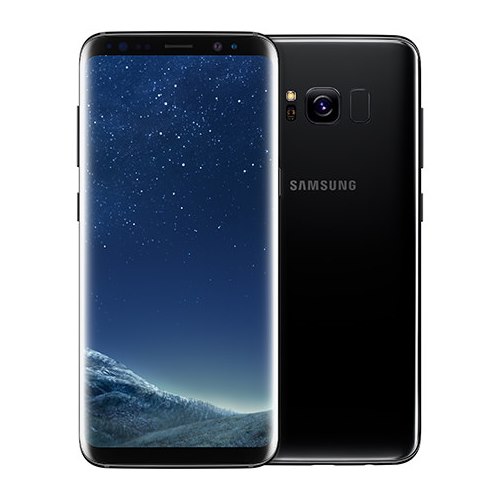
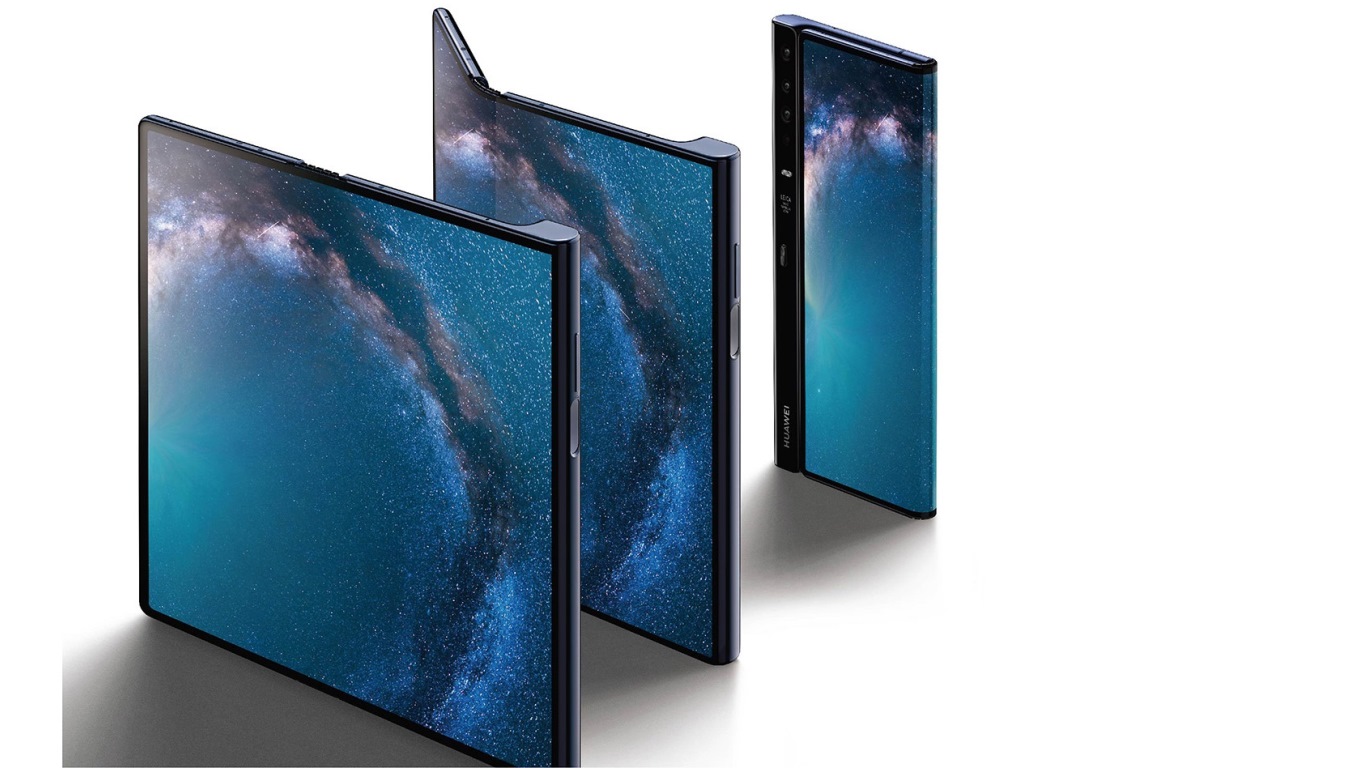
China-based Huawei Technologies launched its latest flagship smartphone Tuesday at an event in London. The Mate 20 Pro is the company’s competitor to the iPhone XS Max from Apple Inc. (NASDAQ: AAPL) and Samsung’s Galaxy Note 9.
The Mate 20 Pro carries a price tag of $1,214 in Europe, more than the price of a Galaxy Note 9, but about $200 less than the iPhone. The Chinese telecom equipment maker passed Apple in August to take over as the world’s second-largest smartphone maker, trailing only Samsung.
According to analysts at Canalys cited by Bloomberg, Huawei shipped 54.2 million phones in the second quarter of 2018 compared to 41 million iPhone shipments. Samsung shipped 72 million phones in the second quarter, but that was 10% fewer than the Korean giant had shipped in 2017’s second quarter. Apple shipments were flat year over year and Huawei’s shipments rose nearly 41% from 38.5 million shipments in the second quarter of last year.
The new Huawei phone apes many of the features of the top-of-the-line iPhones. The Mate 20 Pro includes an advanced facial-recognition security system, three rear-facing camera’s (the iPhone XS has two), and an artificial intelligence engine that is able to identify objects and people in real time. Huawei also designed its own processors that enable the phone to identify objects in user-made videos.
[nativounit]
Impressive as all that may be, the company’s problem is not advanced technology, but lack of branding, at least in the United States. Forrester analyst Thomas Husson commented to Bloomberg News:
If Huawei manages to reinforce its brand personality, I think the Chinese company can continue to increase its market share, particularly over here in Europe, and particularly to the detriment of Samsung.
That’s not likely to be much help in the United States, however, where Huawei’s sales account for less than 1% of the company’s total revenue. In August, phones and other telecom equipment made by Huawei and ZTE were banned from use by U.S. government and government contractor employees.
Both AT&T and Verizon stopped selling the company’s phones in January, and without support from the two top U.S. carriers, the Mate 20 Pro is not likely to be a big seller here.
[recirclink id=499276]
[wallst_email_signup]







 Top Gaining Stocks
 Top Losing Stocks