


Apple Inc. (NASDAQ: AAPL | AAPL Price Prediction) shares were battered when it made its last earnings announcement. Among the bad news was slowing sales of its iPhone flagship, which has driven revenue growth for nearly a decade. Some investors said Apple would need to post better results to fuel a stock bounce back. However, that observation was not accurate. Apple’s shares have risen 33% in the past three months.
On January 29, Apple announced earnings for the quarter that ended on December 29. Revenue for this period included sales for the critical holiday period. Revenue fell 5% to $84.3 billion. Apple had not had a quarterly drop in revenue compared to the same quarter a year ago in over five years. To make matters worse, iPhone revenue dropped 15% over the same period.
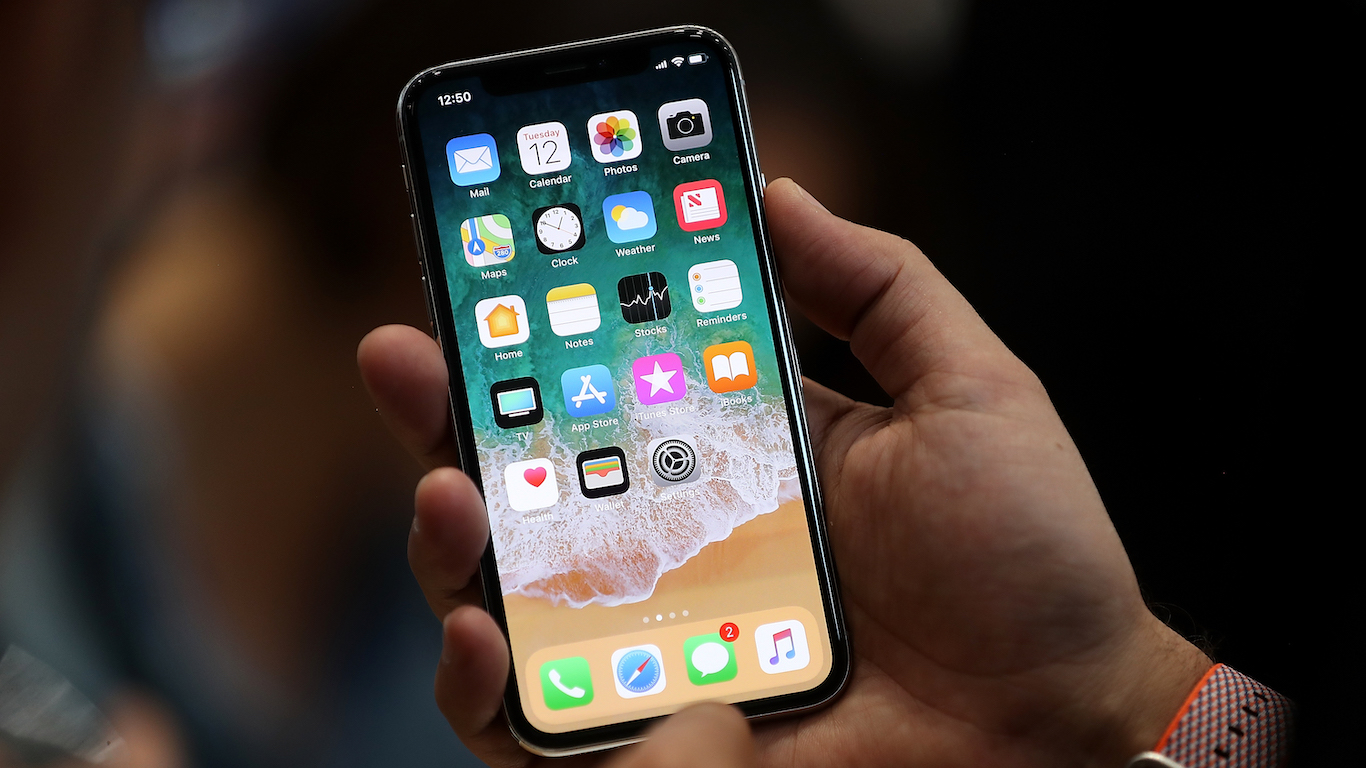
A chorus of criticism began the day of the earnings release. Apple had priced its new iPhones at too expensive a level. Some versions of the iPhone X cost over $1,000. Apple had not innovated enough with the latest iPhone. Its camera and chip upgrades were not sufficient to draw people who might upgrade. The phone was not compatible with the new superfast 5G wireless networks.
Additionally, Apple had sales problems in China, the world’s largest wireless market. The price of iPhones was an issue. So was the fact that Apple competes not only with archrival Samsung in China. The country has four local smartphone makers that eat up much of the market: Huawei, Xiaomi, Vivo and Oppo. Tim Cook, Apple’s CEO, has often said that the iPhone cannot continue to be a huge success without strong sales in China.
[nativounit]
Apple has the additional problems that sales of the Mac have never come close to the sales of PCs and have not grown much in recent years. And while Apple dominates the “wearables” market with its Apple Watch, it has never become a large consumer electronics category. Whatever drag the iPhone has put on Apple revenue, other hardware products can’t make up for.
Apple’s share comeback has been based on comments the company made when it announced earnings. Services revenue would become the new iPhone, the engine of Apple’s success. Services revenue rose 19% last quarter to $10.9 billion. Analysts expect that services will make up a growing percentage of revenue in upcoming years.
But Apple had to show some sign that services revenue would indeed improve. In the weeks after earnings, Apple started to make services-related announcements. Its language software Siri could help people with tracking health and fitness. Stamford Medicine announced that based on a study of 400,000 people: “As part of the study, if an irregular heart rhythm was identified, participants received a notification on their Apple Watch and iPhone, a telehealth consultation with a doctor and an electrocardiogram (ECG) patch for additional monitoring.”
Apple released a new credit card program with an expanded list of features and merchants. The card also has a cash-back program
But Apple’s biggest announcement was Apple News+. The service allows consumers with Apple devices to have access to over 300 news and feature journalism sources for $9.99 a month. The programs have had some critics. However, some publishers said it would transform their subscription models.
Apple has been able to leave weak earnings numbers behind, at least as far as Wall Street is concerned. Its shares are up 33% in the past three months, while the S&P is only 16% higher.
[wallst_email_signup]








 Top Gaining Stocks
 Top Losing Stocks