


 The Federal Reserve issued one of the wonderfully detailed reports that only government agencies can create that tells Americans the extent of their poverty. The only weakness of the report is that the most critical data is nearly two years old. It would have been much more useful if the agency had added data from 2010.
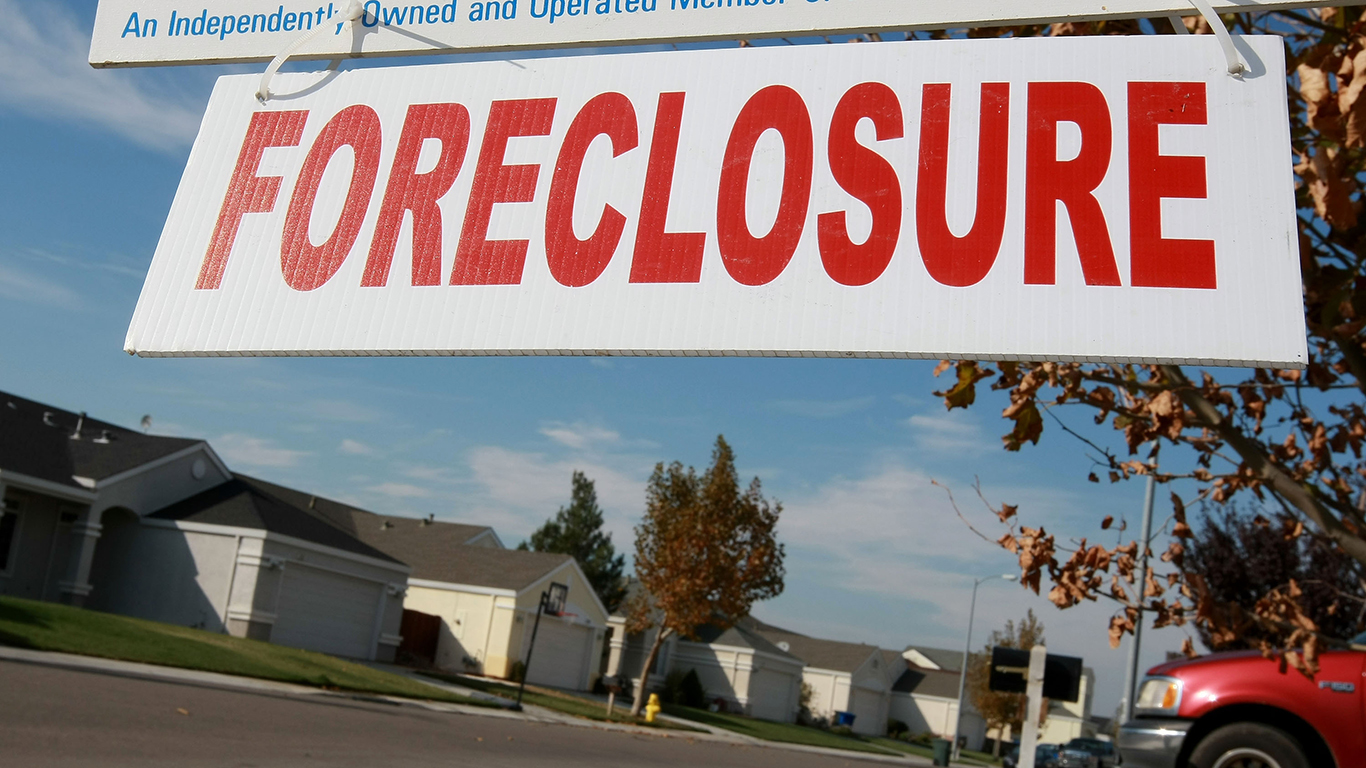
The report called “Surveying the Aftermath of the Storm: Changes in Family Finances from 2007 to 2009” catalogs how Americans lost much of their net worths during the recession. Median household net worth fell 26% between the two years from $125,000 to $96,000. That should be expected particularly because of the drop in real estate prices.
Its conclusions are hardly a surprise. Americans would like to save more, if they can afford to. Families are more cautious about consumer spending. The value of people’s stock holdings fell between the two years the research covers.
Home prices have gotten worse since 2009, a process which began in late 2006 and early 2007. The same is not true of a number of other assets. The DJIA is up from 7,500 to well over 12,000 during the period since the data was gathered for the study. Many retirement accounts have regained their value.
It should be conceded that the poor have remained poor according to the Fed report. That has been true as long as this kind of measurement has been conducted. The picture is different for the balance of American families. The purchase of automobiles, consumer durables, and holiday gifts has rebounded from the economic bottom in 2009.
The “Surveying the Aftermath of the Storm: Changes in Family Finances from 2007 to 2009” is a good history of what the recession did to the financial status of many American families. It is not very relevant now, which begs that question of why the Federal Reserve believed that it is an important document and why anyone who reads it should be compelled by a chronicle of a painful period that is now two years gone.
Douglas A. McIntyre








 Top Gaining Stocks
 Top Losing Stocks