


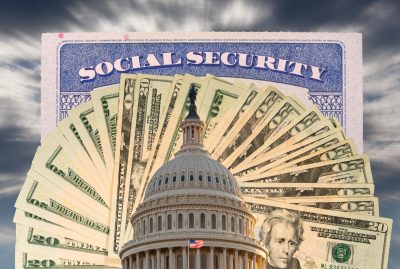
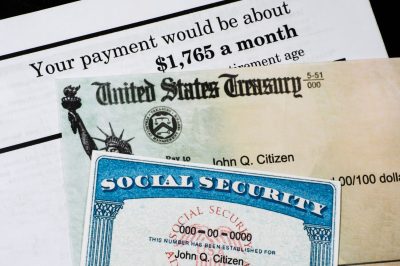
Financial advice website WalletHub has prepared a report on which states are most and least affected by the federal government shutdown. As well as the number of federal employees affected, the report also looks at federal contract dollars, Small Business Association loans, possible Social Security funding shortages, and impacts on real estate, student loans and veterans’ benefits. Social Security payments, for example, are not affected by the government shutdown directly, but a default on the federal debt could result in cuts to benefits.
Overall the five states that are most affected by the government shutdown are Virginia, Alaska, Alabama, D.C. and Maine. The five least affected states are Iowa, Indiana, New York, Minnesota and Wisconsin.
Three of the five most affected are also among the top five in the per capita number of federal employees: D.C., Alaska and Virginia. They are also among the top five in per capita receipts of federal contracting dollars.
Potential impacts to Social Security benefits would hit West Virginia, Maine, Arkansas, Alabama and Vermont hardest. Cuts to veterans’ benefits would hit Alaska, Virginia, Montana, Wyoming and Maine the hardest. These five states have the most veterans per capita.
WalletHub noted in its report:
Interestingly enough, while sick children and disappointed World War II veterans have only been able to prompt piecemeal funding proposals, the anger of key constituencies may just prove to be the impetus needed to break the Congressional stalemate, particularly since Republican-leaning states stand to be hit disproportionately hard by a prolonged shutdown.








 Top Gaining Stocks
 Top Losing Stocks