



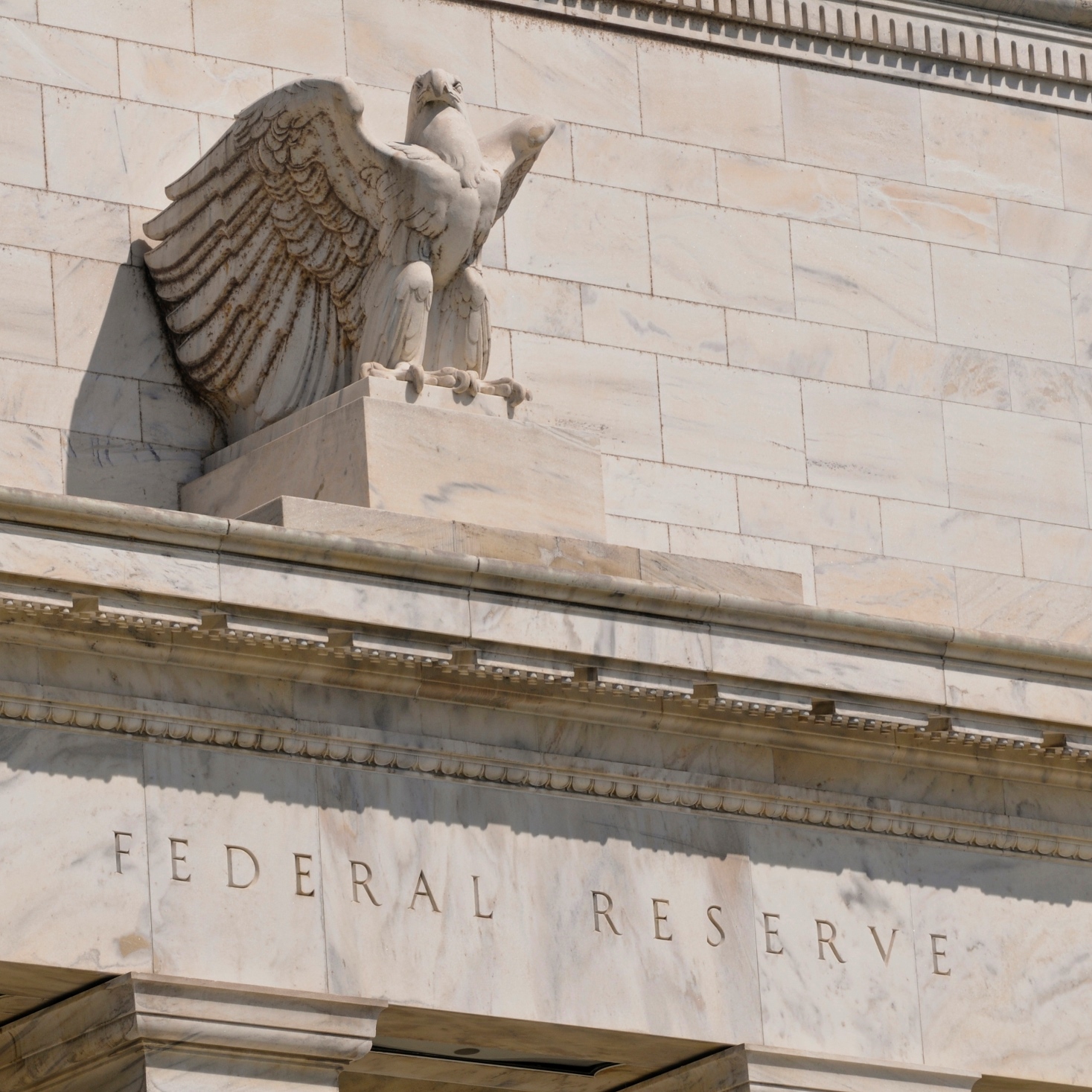
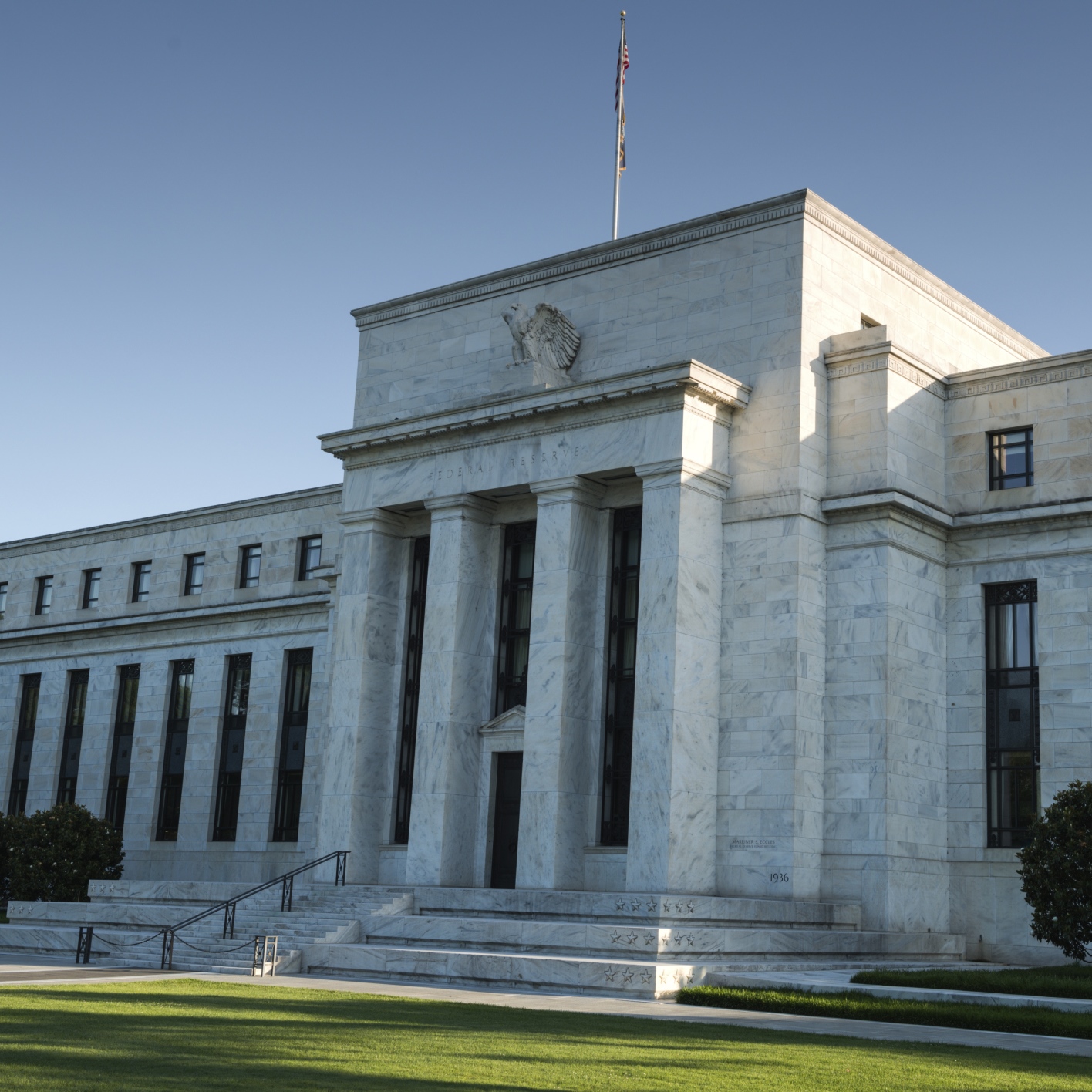
The lower growth numbers indicate that the U.S. Federal Reserve most likely will have to keep interest rates low longer than many investors were expecting. There had been some speculation that the Fed would look to raise interest rates by the middle of 2015, and a few observers were even looking for rates to rise later this year.
In its report with the snappy title, “2014 Article IV Consultation with the United States of America Concluding Statement of the IMF Mission,” the fund notes:
A combination of factors is at work in lowering longer-run growth including the effects of population aging and more modest prospects for productivity growth. This puts a significant premium on taking immediate steps to raise productivity, encourage innovation, augment human and physical capital, and increase labor force participation. Such measures should involve investments in infrastructure and education, improving the tax system, and active labor market policies. They may also include reaching agreement on a broad, skills-based approach to immigration reform (to expand the labor force, raise average labor productivity, and support medium-term fiscal adjustment) as well as fully capitalizing on the gains from rising U.S. energy independence while protecting the environment (including by removing existing restrictions on U.S. oil exports). … Under the [IMF’s] baseline, the economy is expected to reach full employment only by end-2017 and inflationary pressures are expected to remain muted. If true, policy rates could afford to stay at zero for longer than the mid-2015 date currently foreseen by markets. Policy would, however, have to remain cognizant of financial stability risks, particularly those that are inherently difficult to contain through available regulatory and supervisory tools.
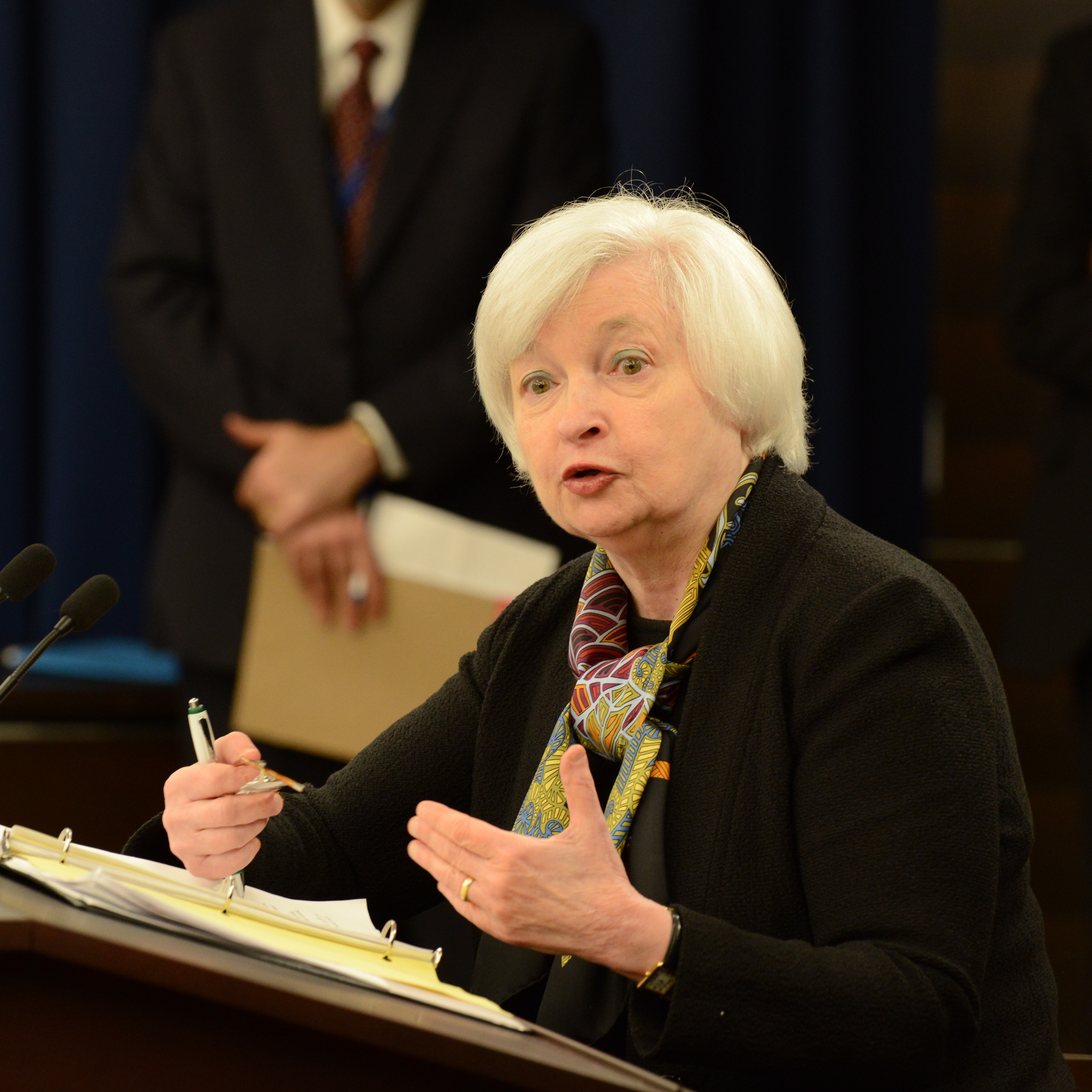
The IMF also suggested that the Fed provide more communication to better guide the markets. One suggestion is that the Fed hold a news conference following each of its FOMC meetings. The next such meeting is set to begin Tuesday and conclude with a statement and press conference on Wednesday.
U.S. markets opened the day in the red, but quickly turned positive after the IMF report was released. There is nothing like the prospect of continued easy money to fire up investor enthusiasm.







 Top Gaining Stocks
 Top Losing Stocks