


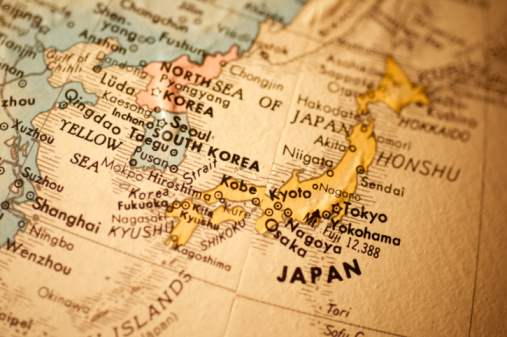
According to the CIA World Factbook, North Korea’s gross domestic product based on purchasing power parity was $40 billion in 2012. That ranks it 99th among world economies, just behind Jordan. However, Jordan’s population is 6.5 million. North Korea’s is 25 million. That puts its productivity per person at among the lowest levels in the world. North Korea, based on that measure, is hardly a viable economy at all.
According to the Facebook, military spending has undermined whatever modest quality of life North Korea’s residents might have:
North Korea, one of the world’s most centrally directed and least open economies, faces chronic economic problems. Industrial capital stock is nearly beyond repair as a result of years of underinvestment, shortages of spare parts, and poor maintenance. Large-scale military spending draws off resources needed for investment and civilian consumption. Industrial and power output have stagnated for years at a fraction of pre-1990 levels. Frequent weather-related crop failures aggravated chronic food shortages caused by on-going systemic problems, including a lack of arable land, collective farming practices, poor soil quality, insufficient fertilization, and persistent shortages of tractors and fuel. Large-scale international food aid deliveries have allowed the people of North Korea to escape widespread starvation since famine threatened in 1995, but the population continues to suffer from prolonged malnutrition and poor living conditions.
ALSO READ: Cuba’s Economy by the Numbers
Without its relationship with China, North Korea would be pressed further into what could be defined as “economic dark ages.” The Factbook points out, since two years ago:
North Korea continued efforts to develop special economic zones with China and expressed willingness to permit construction of a trilateral gas pipeline that would carry Russian natural gas to South Korea. The North Korean government often highlights its goal of becoming a “strong and prosperous” nation and attracting foreign investment, a key factor for improving the overall standard of living. In this regard, in 2013 the regime rolled out 14 new Special Economic Zones set up for foreign investors, though the initiative remains in its infancy. Nevertheless, firm political control remains the government’s overriding concern, which likely will inhibit changes to North Korea’s current economic system.
Put another way, North Korea’s economy appears to be moving backward.





 Top Gaining Stocks
 Top Losing Stocks