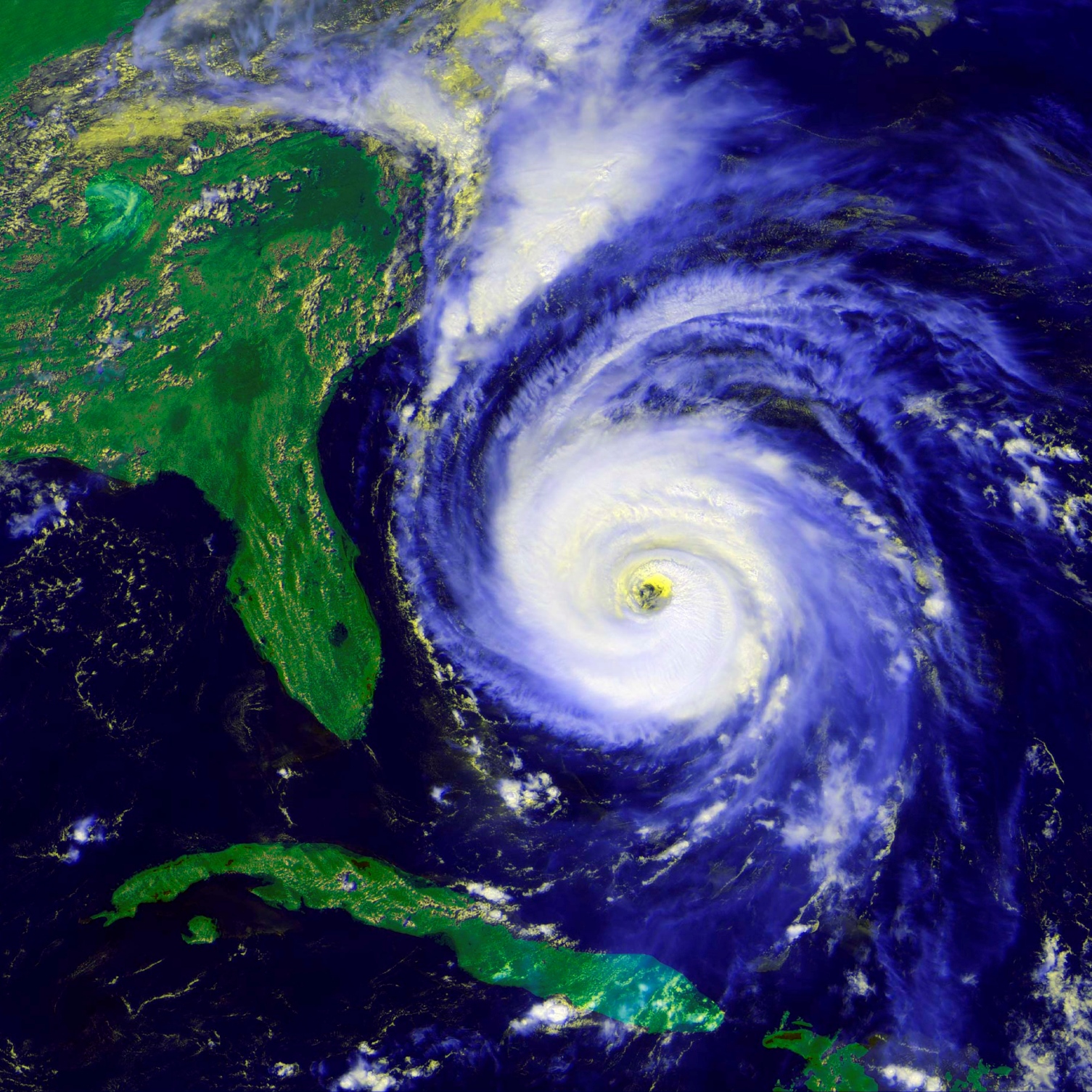
Hurricanes Cost US as Much as $14 Billion a Year

Photo of Douglas A. McIntyre
By Douglas A. McIntyre Published
This post may contain links from our sponsors and affiliates, and Flywheel Publishing may receive compensation for actions taken through them.

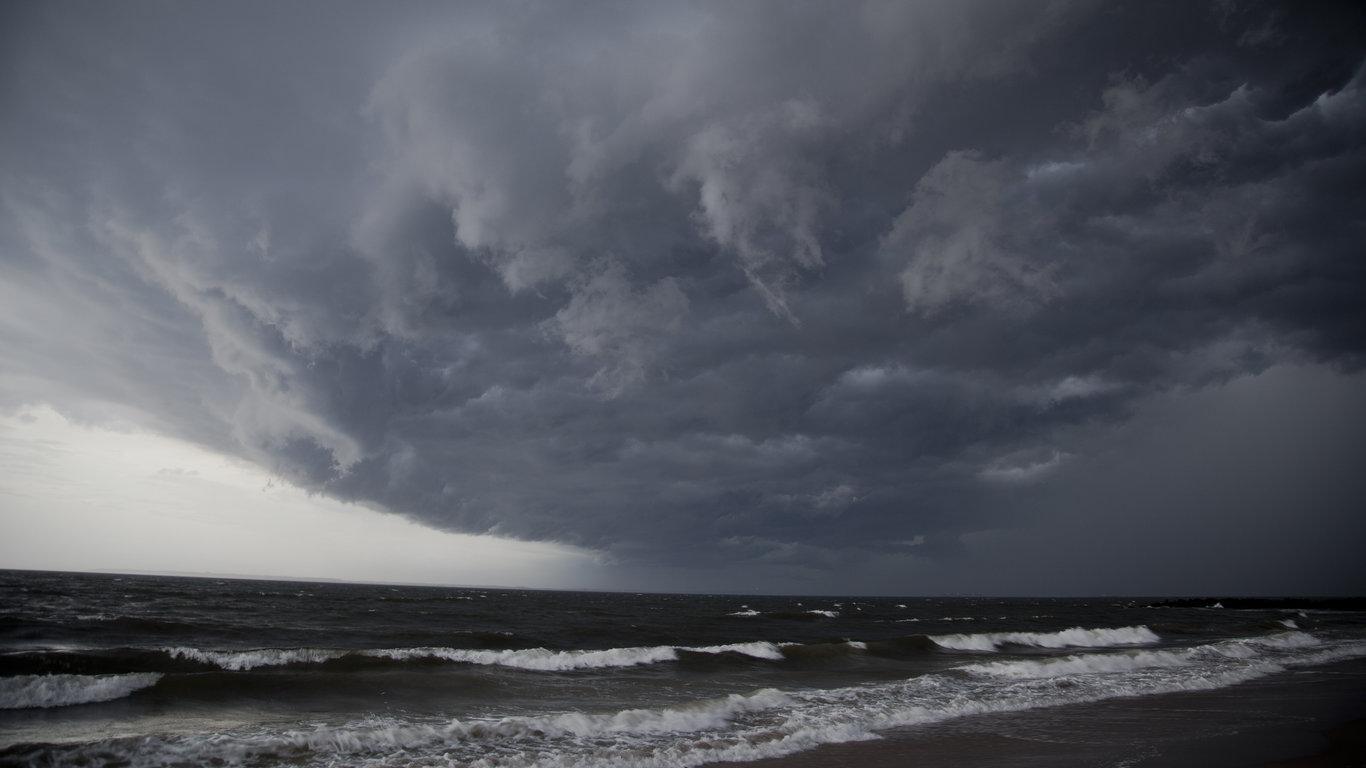
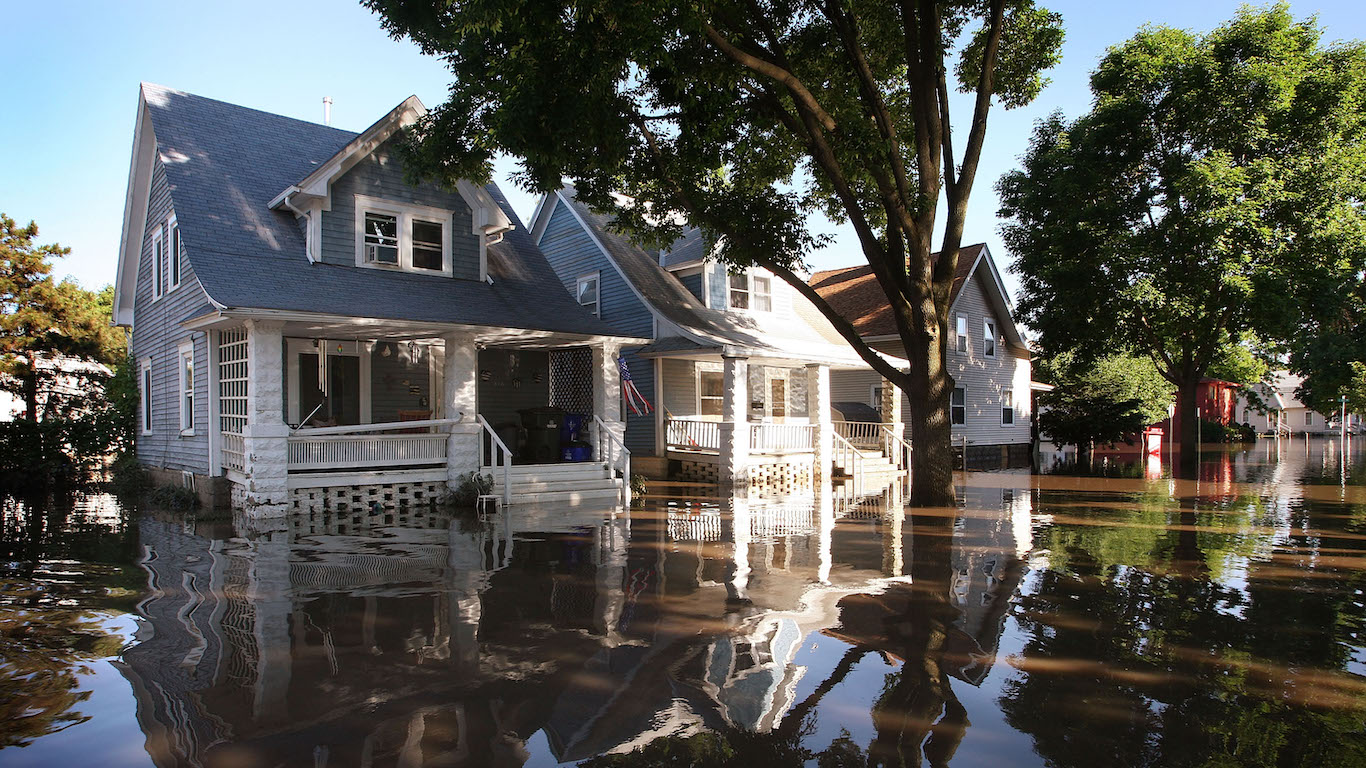
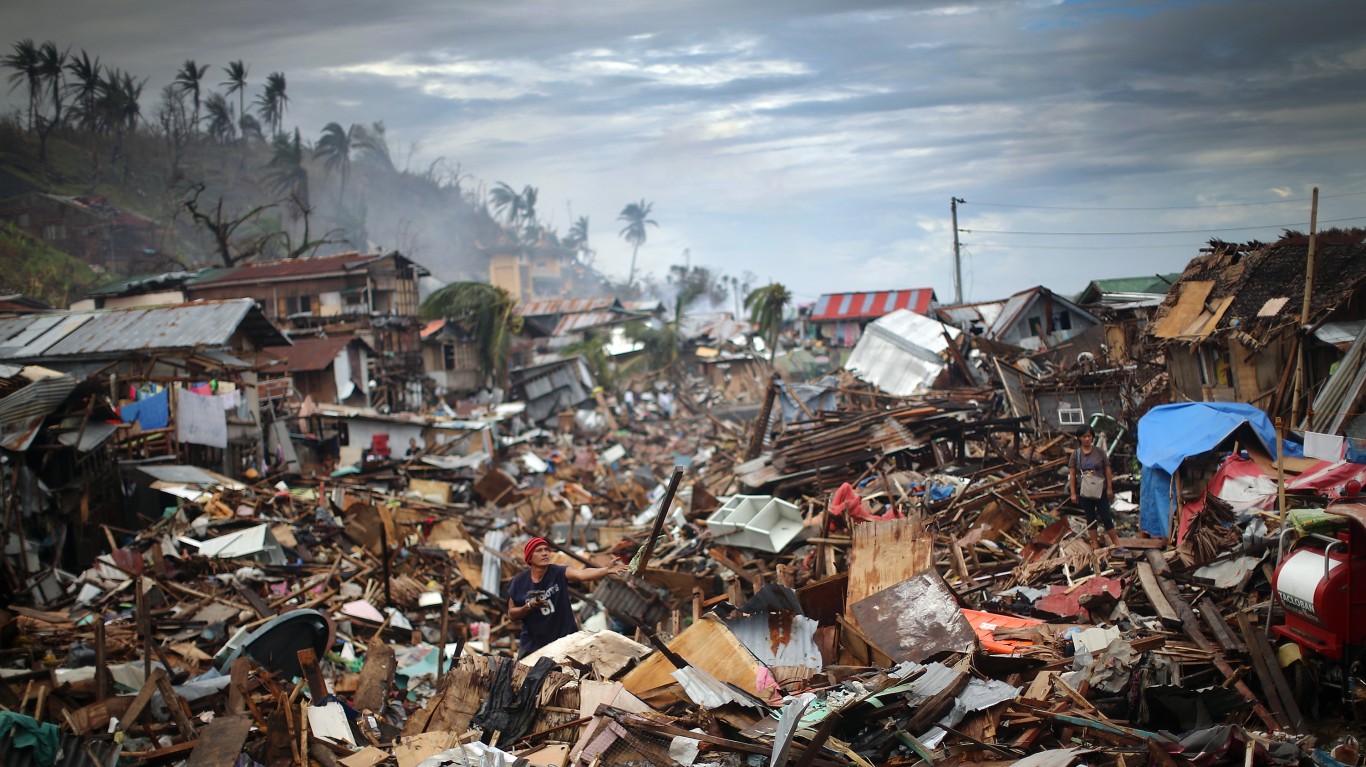
The year was 2005, and the storms were called “tropical cyclones.” Nevertheless, hurricanes cost American as much as $14 billion a decade ago, based on recent research by several experts and published as “Economic losses from US hurricanes consistent with an influence from climate change.”

Presumably global warming has increased since 2005, and with it the likelihood of more and more expensive damage.

The authors wrote:

Based on records of geophysical data, we identify an upward trend in both the number and intensity of hurricanes in the North Atlantic basin as well as in the number of loss-generating tropical cyclone records in the United States that is consistent with the smoothed global average rise in surface air temperature. We estimate that, in 2005, US$2 to US$14 billion of the recorded annual losses could be attributable to climate change, 2 to 12% of that year’s normalized losses. We suggest that damages from tropical cyclones cannot be dismissed when evaluating the current and future costs of climate change and the expected benefits of mitigation and adaptation strategies.

Almost every report of ocean temperatures indicates that they have risen in the past decade, although the process may have slowed very considerably.

ALSO READ: Cities With the Most Dangerous Natural Disasters

In a recent NASA study, reported on by the Jet Propulsion Laboratory at California Institute for Technology, head researcher Josh Willis said:

Greenhouse gases continued to trap extra heat, but for about 10 years starting in the early 2000s, global average surface temperature stopped climbing and even cooled a bit.

Further, the research found:

The Pacific Ocean is the primary source of the subsurface warm water found in the study, though some of that water now has been pushed to the Indian Ocean. Since 2003, unusually strong trade winds and other climatic features have been piling up warm water in the upper 1,000 feet of the western Pacific, pinning it against Asia and Australia.

Also:

The movement of the warm Pacific water westward pulled heat away from the surface waters of the central and eastern Pacific, which resulted in unusually cool surface temperatures during the last decade. Because the air temperature over the ocean is closely related to the ocean temperature, this provides a plausible explanation for the global cooling trend in surface temperature.

Confusing.

ALSO READ: America’s Richest and Poorest Cities

Photo of Douglas A. McIntyre
About the Author Douglas A. McIntyre →

Douglas A. McIntyre is the co-founder, chief executive officer and editor in chief of 24/7 Wall St. and 24/7 Tempo. He has held these jobs since 2006.

McIntyre has written thousands of articles for 24/7 Wall St. He is an expert on corporate finance, the automotive industry, media companies and international finance. He has edited articles on national demographics, sports, personal income and travel.

His work has been quoted or mentioned in The New York Times, The Wall Street Journal, Los Angeles Times, The Washington Post, NBC News, Time, The New Yorker, HuffPost USA Today, Business Insider, Yahoo, AOL, MarketWatch, The Atlantic, Bloomberg, New York Post, Chicago Tribune, Forbes, The Guardian and many other major publications. McIntyre has been a guest on CNBC, the BBC and television and radio stations across the country.

A magna cum laude graduate of Harvard College, McIntyre also was president of The Harvard Advocate. Founded in 1866, the Advocate is the oldest college publication in the United States.

TheStreet.com, Comps.com and Edgar Online are some of the public companies for which McIntyre served on the board of directors. He was a Vicinity Corporation board member when the company was sold to Microsoft in 2002. He served on the audit committees of some of these companies.

McIntyre has been the CEO of FutureSource, a provider of trading terminals and news to commodities and futures traders. He was president of Switchboard, the online phone directory company. He served as chairman and CEO of On2 Technologies, the video compression company that provided video compression software for Adobe’s Flash. Google bought On2 in 2009.

Featured Reads

Our top personal finance-related articles today. Your wallet will thank you later.

Continue Reading

Top Gaining Stocks

CBOE Vol: 1,568,143
PSKY Vol: 12,285,993
STX Vol: 7,378,346
ORCL Vol: 26,317,675
DDOG Vol: 6,247,779

Top Losing Stocks

LKQ
LKQ Vol: 4,367,433
CLX Vol: 13,260,523
SYK Vol: 4,519,455
MHK Vol: 1,859,865
AMGN Vol: 3,818,618