85% of Americans Still Use Coupons

Photo of Douglas A. McIntyre
By Douglas A. McIntyre Updated Published
This post may contain links from our sponsors and affiliates, and Flywheel Publishing may receive compensation for actions taken through them.
85% of Americans Still Use Coupons

© Thinkstock

E-commerce has not yet gained complete dominance in the retail sector, even though Amazon.com Inc. (NASDAQ: AMZN) has damaged the brick-and-mortar part of the sector badly. Coupon use in the United States remains high, with 85% of American using coupons at least occasionally. Paper coupons are often used in place of smartphones, which some people use to buy items in stores without even using a physical credit card.

According to research from CreditCards.com:

  • 85% of Americans use coupons (24% often, 29% sometimes and 32% occasionally).
  • Paper coupon usage decreases with income and increases with age, but even 18 to 24 year olds are using paper coupons about twice as much as any other method.

The most surprising part of this is that young people read newspapers and open mail enough to find the coupons at all. Indirectly, the ongoing popularity of paper coupons is a testament to the longevity of newspapers and the U.S. Postal Service.

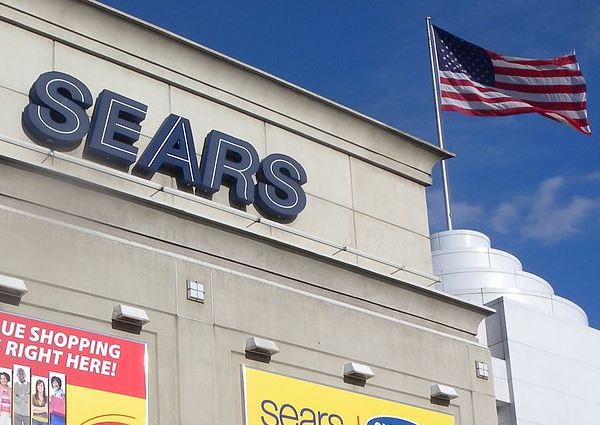
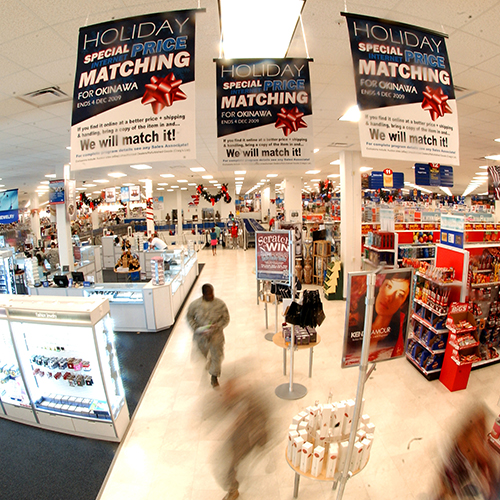
The coupon research results are good for companies like J.C. Penney Co. Inc. (NYSE: JCP) and the Kmart and Sears divisions of Sears Holdings Corp. (NASDAQ: SHLD). As their sales falter, they have at least one tool that the CreditCards.com survey shows is still working. A coupon that offers 10% off is perceived by the customer as a deal, even if that deal is no better than one offered to other shoppers. The longevity of coupons draws from the need of so many shoppers to pay something less than “retail.”

“Dead trees aren’t dead when it comes to coupons,” said Matt Schulz, CreditCards.com’s senior industry analyst. “Plenty of Americans are still opening their snail mail and reading the Sunday paper. I expect paper coupons to lose some market share, though, as consumers and brands get even more comfortable using them electronically.”

Coupons come from the same trees used to print newspapers and letters.

ALSO READ: 10 Brands That Will Disappear in 2016

Photo of Douglas A. McIntyre
About the Author Douglas A. McIntyre →

Douglas A. McIntyre is the co-founder, chief executive officer and editor in chief of 24/7 Wall St. and 24/7 Tempo. He has held these jobs since 2006.

McIntyre has written thousands of articles for 24/7 Wall St. He is an expert on corporate finance, the automotive industry, media companies and international finance. He has edited articles on national demographics, sports, personal income and travel.

His work has been quoted or mentioned in The New York Times, The Wall Street Journal, Los Angeles Times, The Washington Post, NBC News, Time, The New Yorker, HuffPost USA Today, Business Insider, Yahoo, AOL, MarketWatch, The Atlantic, Bloomberg, New York Post, Chicago Tribune, Forbes, The Guardian and many other major publications. McIntyre has been a guest on CNBC, the BBC and television and radio stations across the country.

A magna cum laude graduate of Harvard College, McIntyre also was president of The Harvard Advocate. Founded in 1866, the Advocate is the oldest college publication in the United States.

TheStreet.com, Comps.com and Edgar Online are some of the public companies for which McIntyre served on the board of directors. He was a Vicinity Corporation board member when the company was sold to Microsoft in 2002. He served on the audit committees of some of these companies.

McIntyre has been the CEO of FutureSource, a provider of trading terminals and news to commodities and futures traders. He was president of Switchboard, the online phone directory company. He served as chairman and CEO of On2 Technologies, the video compression company that provided video compression software for Adobe’s Flash. Google bought On2 in 2009.

Featured Reads

Our top personal finance-related articles today. Your wallet will thank you later.

Continue Reading

Top Gaining Stocks

CBOE Vol: 1,568,143
PSKY Vol: 12,285,993
STX Vol: 7,378,346
ORCL Vol: 26,317,675
DDOG Vol: 6,247,779

Top Losing Stocks

LKQ
LKQ Vol: 4,367,433
CLX Vol: 13,260,523
SYK Vol: 4,519,455
MHK Vol: 1,859,865
AMGN Vol: 3,818,618