


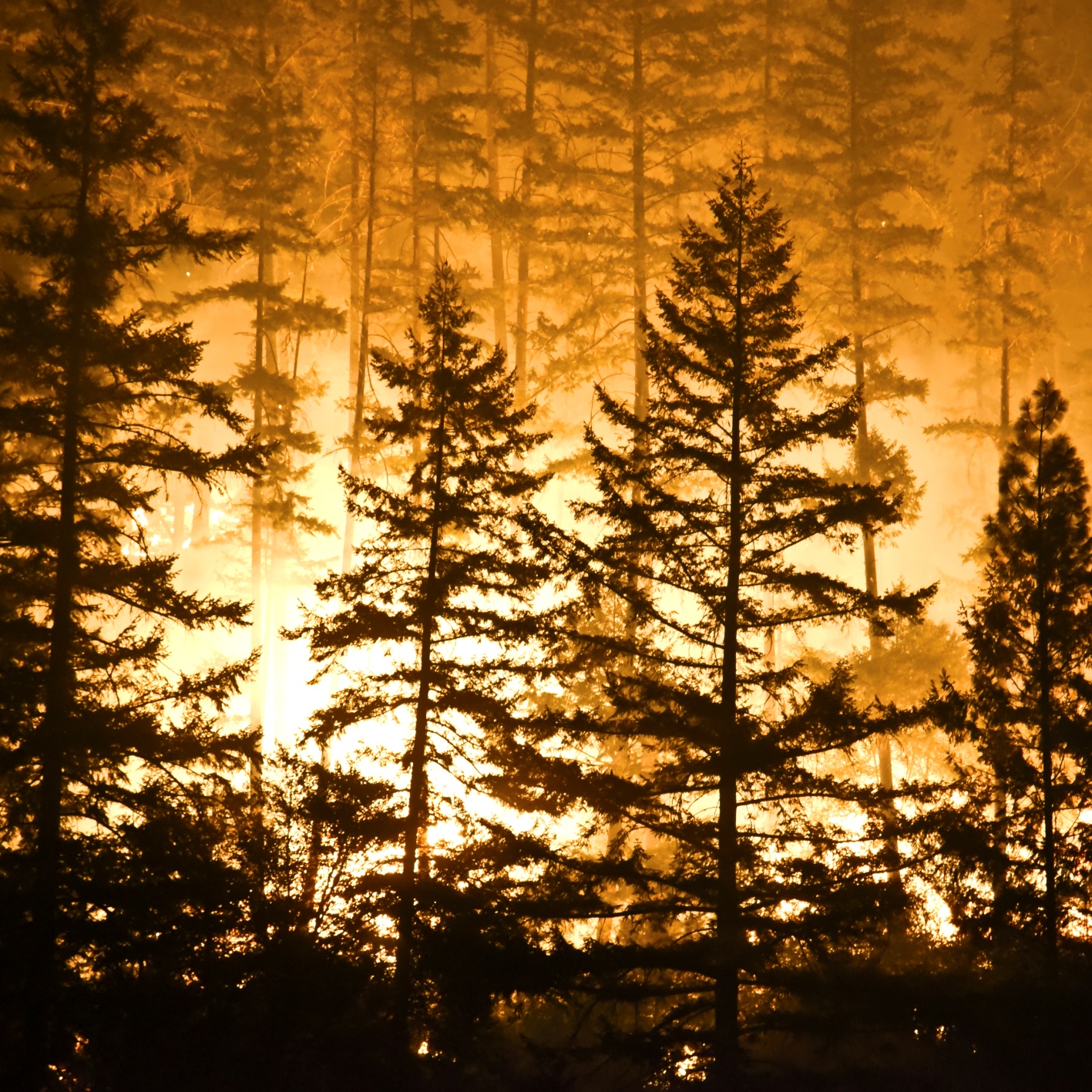
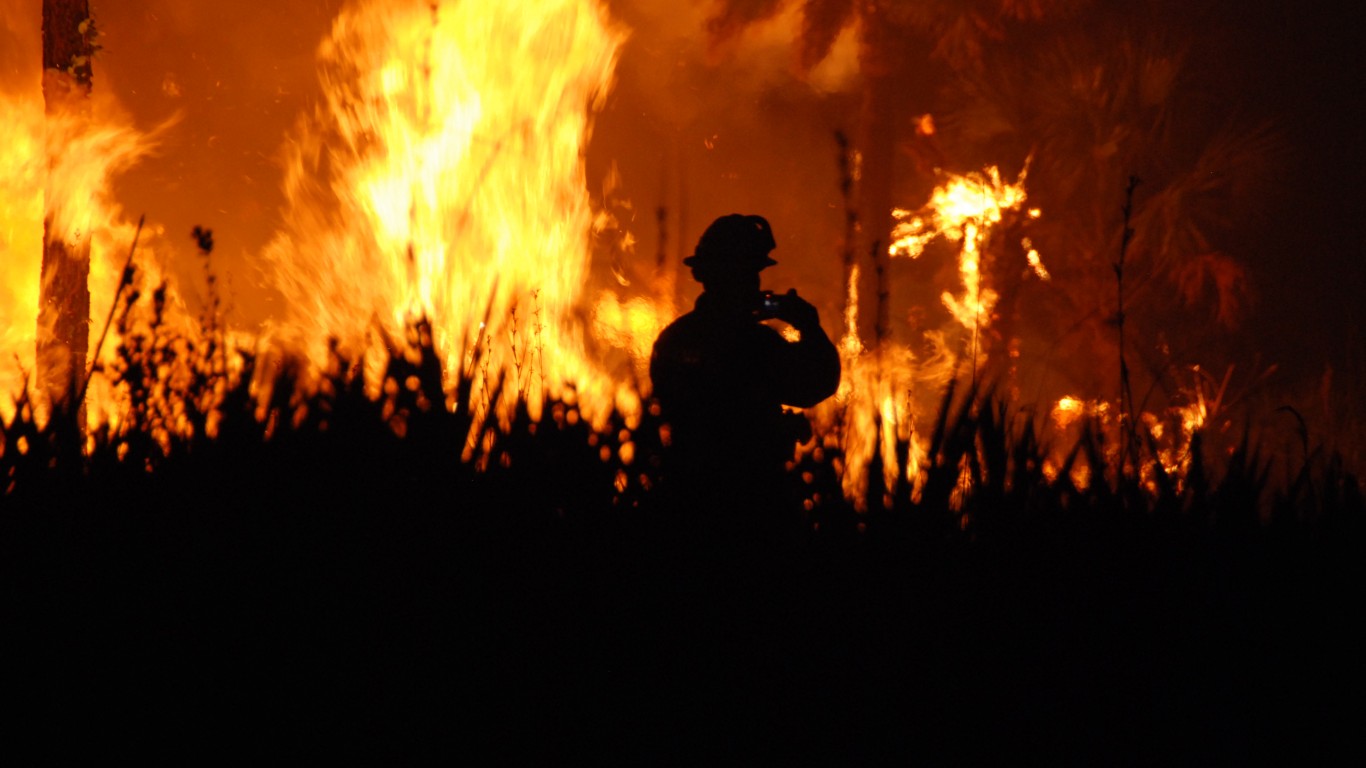
The huge wildfire that has eaten up part of Alberta and threatens Fort McMurray currently covers 3,550 square kilometers, or about 1,370 square miles. Delaware covers 2,489 square miles.
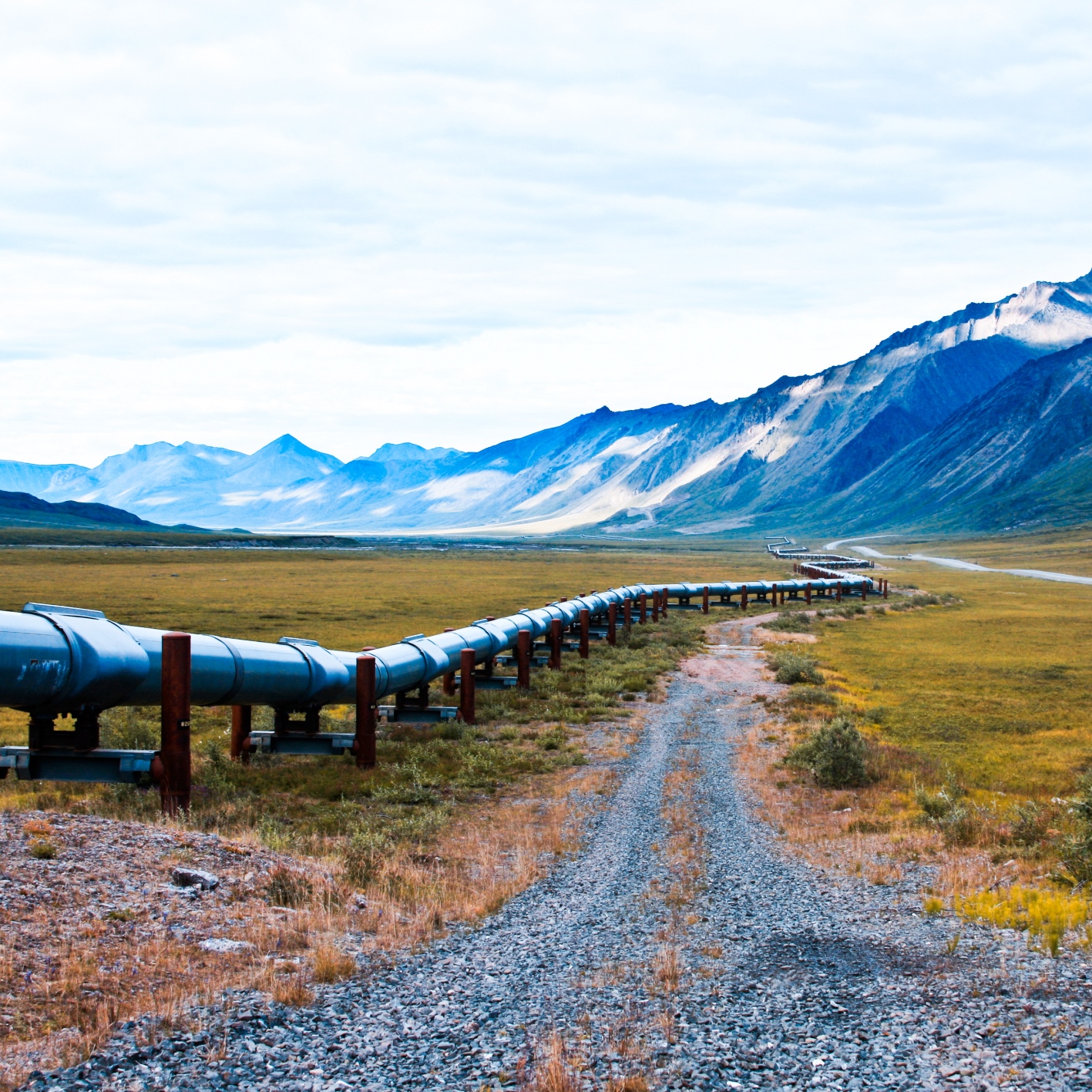
Alberta stretches over 240,000 square miles, so the size of the fire is a small fraction of its total. However, the fire already has damaged a large part of its oil sands business, critical to its economy. Energy is the core industry of the province, as well as its largest exporter. And the massive Athabasca Oil Sands are mostly south of Fort McMurray. Currently, the fire has forced the shuttering of facilities that pump a million barrels a day.
According to the Edmonton Journal:
Approximately 8,000 people working at camps north of Fort McMurray have been evacuated and many more are on alert after gusting winds and high temperatures caused the wildfire to move rapidly towards them Monday evening.
At a hastily called news conference, officials said four to five camps on Aostra Road were under a mandatory evacuation order, sending workers north to the Syncrude and Suncor oilsands facilities for refuge. The order was issued because of the “unpredictable nature” of the fire and the fact that those camps could be isolated if the road was jeopardized, said Scott Long, executive director of the Alberta Emergency Management Agency.
[recirclink id=332343]
Reuters reported:
“The urgency we’re looking at is with regards to the oil gas infrastructure,” Scott Long, executive director of the Alberta Emergency Management Agency, told reporters in Edmonton, adding Fort McMurray itself appeared to be safe for now.
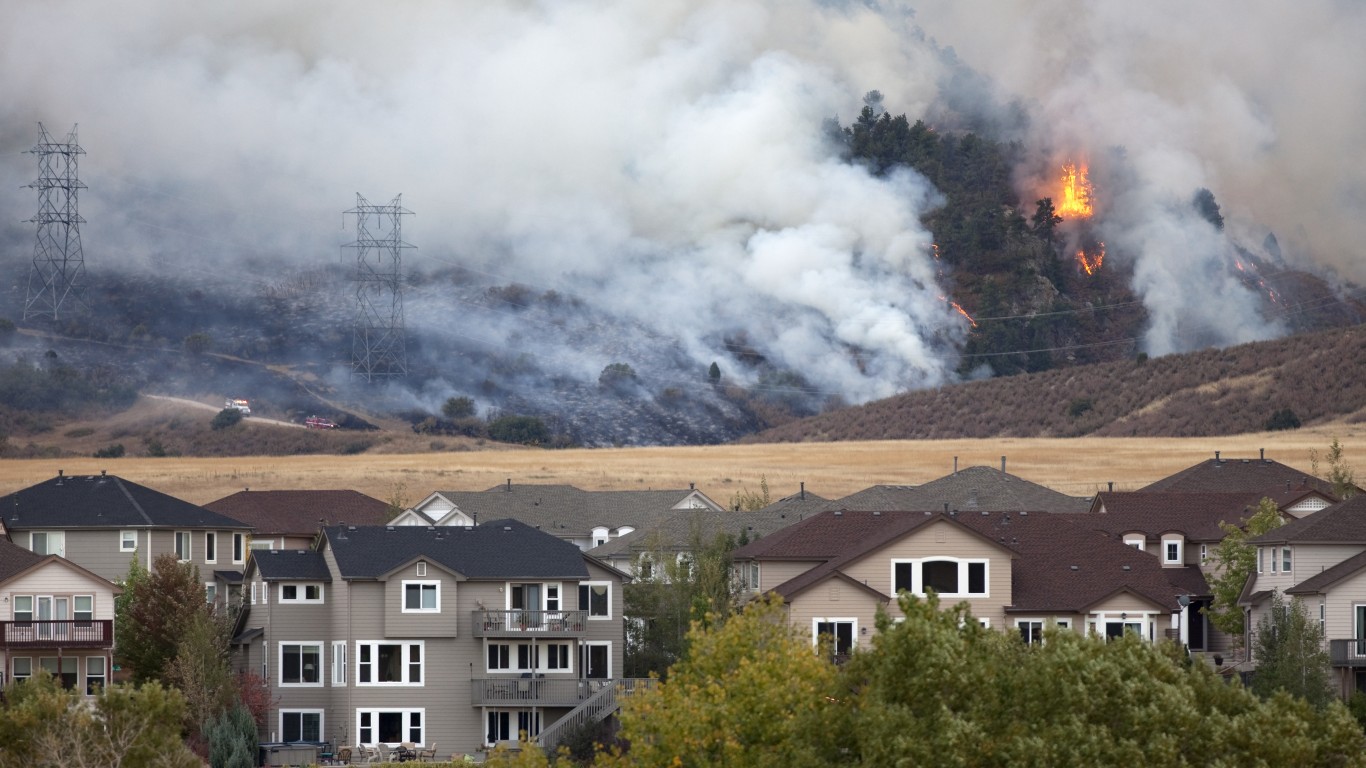
Some blame for the fire has been attributed to the effects of global warming, which have dried the area of the fire, increased temperatures in Alberta and kicked up harsh winds. If the fire continues to burn out of control, soon it will be as large as all of Delaware, and that may not be the end of it.







 Top Gaining Stocks
 Top Losing Stocks