


Fannie Mae has released its Economic & Strategic Research Group’s September 2016 Economic and Housing Outlook. For the full year, the group is calling for gross domestic product (GDP) to be up 1.8% in 2016. What matters here is that it remains among the firms and groups that are seeing the rest of the year having accelerated growth, with GDP projected to rise by 2.6% in the second half of 2016.
GDP growth in the first half was a mere 1.0%. That puts all of the growth to be in the remainder of 2016. Fannie Mae expects that consumer and government spending are expected to drive growth, and that is despite a cooldown in consumer activity so far in the third quarter.
At the same time, inventory investment and net exports are expected to be a drag on growth. Also, nonresidential and residential investment are expected to be neutral for the year.
Driving forces were shown to be housing and construction, as well as consumer-led spending. As a reminder, U.S. GDP is roughly 70% driven by consumer spending.
[nativounit]
Doug Duncan, Fannie Mae’s chief economist, said:
Consumers continue to carry the economy and the earnings slowdown in the August jobs report may be an aberration in the recently improving personal income growth trend.
However, the declining trend in business productivity has negative implications for businesses’ profit outlook, as low productivity tends to boost labor costs, which could act as a headwind for hiring and investment. Corporate profits are down 4.9 percent from one year ago, extending their streak of annual declines. We expect nonresidential fixed investment to post a modest increase in the third quarter following three consecutive quarterly declines, while residential investment is likely to decline for the second consecutive quarter.
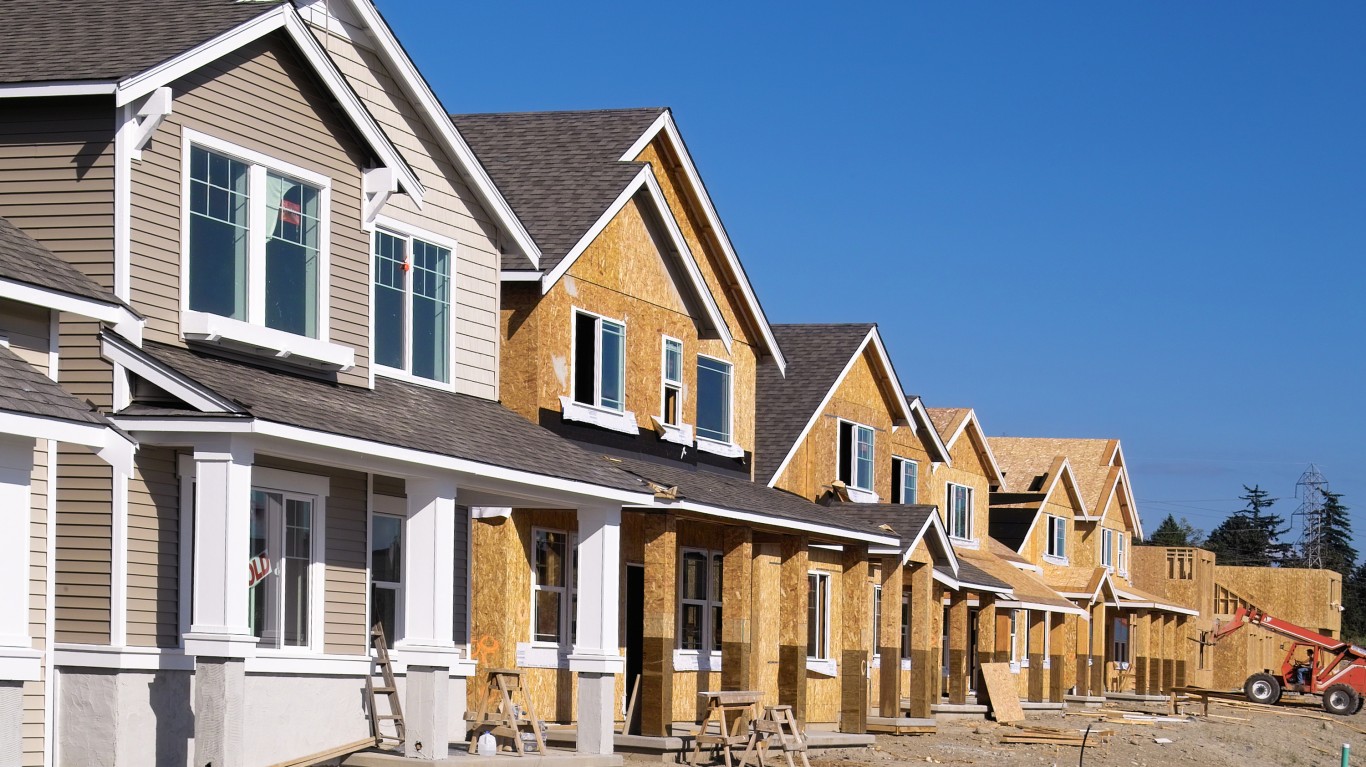
A bright spot for housing market activity is the strengthening of new home sales, which is significantly outperforming activity in recent years. The share of new home sales that are under construction or not started has climbed to nearly 70 percent, improving the outlook for single-family homebuilding. Existing home sales underperformed 2015 for the first time in July, however year-to-date sales are still 2.6 percent higher than during the same period last year. Additionally, the share of for-rent multifamily building starts has trended up with recent trends in homebuilding activity favoring the rental market.
[wallst_email_signup]







 Top Gaining Stocks
 Top Losing Stocks