Will Consumers Start Using Cash Again?

Photo of Douglas A. McIntyre
By Douglas A. McIntyre Updated Published
This post may contain links from our sponsors and affiliates, and Flywheel Publishing may receive compensation for actions taken through them.
Will Consumers Start Using Cash Again?

© Thinkstock

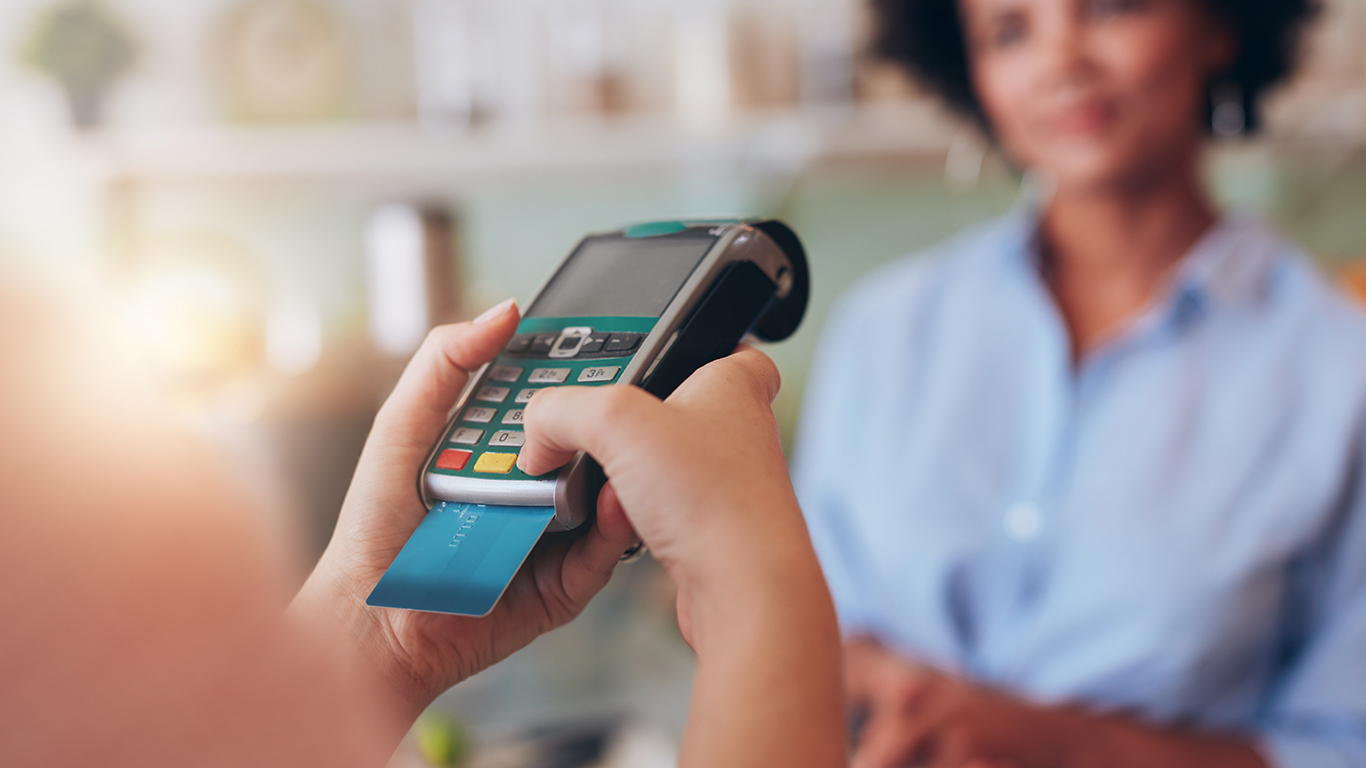
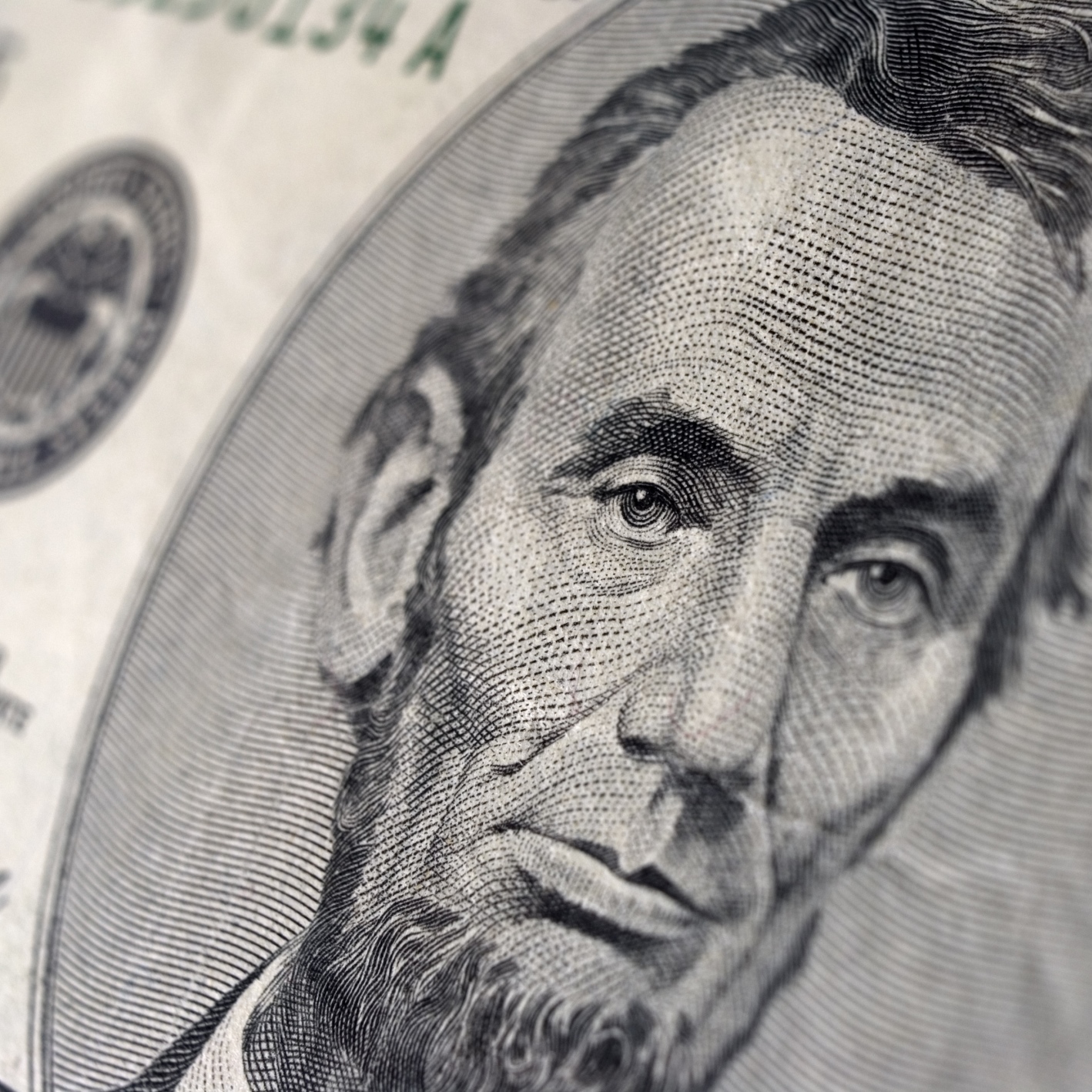
The cash register has become an anomaly at many retail locations. As a matter of fact, some stores and restaurants do not accept cash at all. If people cannot pay with a credit card, they are not welcome. Data breaches that have exposed tens of millions of credit card records may change that trend. Anxious consumers may start to use cash. Ironically, it may be the safest currency available.

Cash dominated transactions for decades and, in some businesses, for centuries. Money was moved from bank to bank via cash. Banks had huge vaults with doors that weighed tons and secret combinations.

Cash became a notoriously unsafe way for people to keep their savings and the money they used daily for transactions. Bank robbers looted cash from bank branches and retail locations. People were robbed on the street, particularly in big cities. Some bills were hard to track, particularly ones that were not new. Along with the credit card came safety. Use of stolen credit cards could be hampered by banks and retail establishments. Over a relatively short time, plastic became more secure than paper.

The credit card has evolved into something that is an anachronism as well. Plastic is no longer necessary. People can store credit card numbers online with merchants that can access the records. The practices have been essential to the rise of Amazon and companies from eBay to Expedia, even to unicorn startups Uber and Airbnb. Without credit card numbers, none of these companies would be viable.

[nativounit]

The e-commerce industry has become its own worst enemy. As hacker skills have raced ahead of security measures, consumers have started to shy away from supplying anything about themselves online. #DeleteFacebook has become part of the debate about whether people should provide their personal data online at all. This includes even basic information like name, phone number and address. Social Security numbers have become a precious part of people’s privacy again.

Cash was killed off by the credit card. The most modern forms of credit card face an erosion in trust. Cash may have at least a modest comeback.

[wallst_email_signup]

Photo of Douglas A. McIntyre
About the Author Douglas A. McIntyre →

Douglas A. McIntyre is the co-founder, chief executive officer and editor in chief of 24/7 Wall St. and 24/7 Tempo. He has held these jobs since 2006.

McIntyre has written thousands of articles for 24/7 Wall St. He is an expert on corporate finance, the automotive industry, media companies and international finance. He has edited articles on national demographics, sports, personal income and travel.

His work has been quoted or mentioned in The New York Times, The Wall Street Journal, Los Angeles Times, The Washington Post, NBC News, Time, The New Yorker, HuffPost USA Today, Business Insider, Yahoo, AOL, MarketWatch, The Atlantic, Bloomberg, New York Post, Chicago Tribune, Forbes, The Guardian and many other major publications. McIntyre has been a guest on CNBC, the BBC and television and radio stations across the country.

A magna cum laude graduate of Harvard College, McIntyre also was president of The Harvard Advocate. Founded in 1866, the Advocate is the oldest college publication in the United States.

TheStreet.com, Comps.com and Edgar Online are some of the public companies for which McIntyre served on the board of directors. He was a Vicinity Corporation board member when the company was sold to Microsoft in 2002. He served on the audit committees of some of these companies.

McIntyre has been the CEO of FutureSource, a provider of trading terminals and news to commodities and futures traders. He was president of Switchboard, the online phone directory company. He served as chairman and CEO of On2 Technologies, the video compression company that provided video compression software for Adobe’s Flash. Google bought On2 in 2009.

Featured Reads

Our top personal finance-related articles today. Your wallet will thank you later.

Continue Reading

Top Gaining Stocks

CBOE Vol: 1,568,143
PSKY Vol: 12,285,993
STX Vol: 7,378,346
ORCL Vol: 26,317,675
DDOG Vol: 6,247,779

Top Losing Stocks

LKQ
LKQ Vol: 4,367,433
CLX Vol: 13,260,523
SYK Vol: 4,519,455
MHK Vol: 1,859,865
AMGN Vol: 3,818,618