


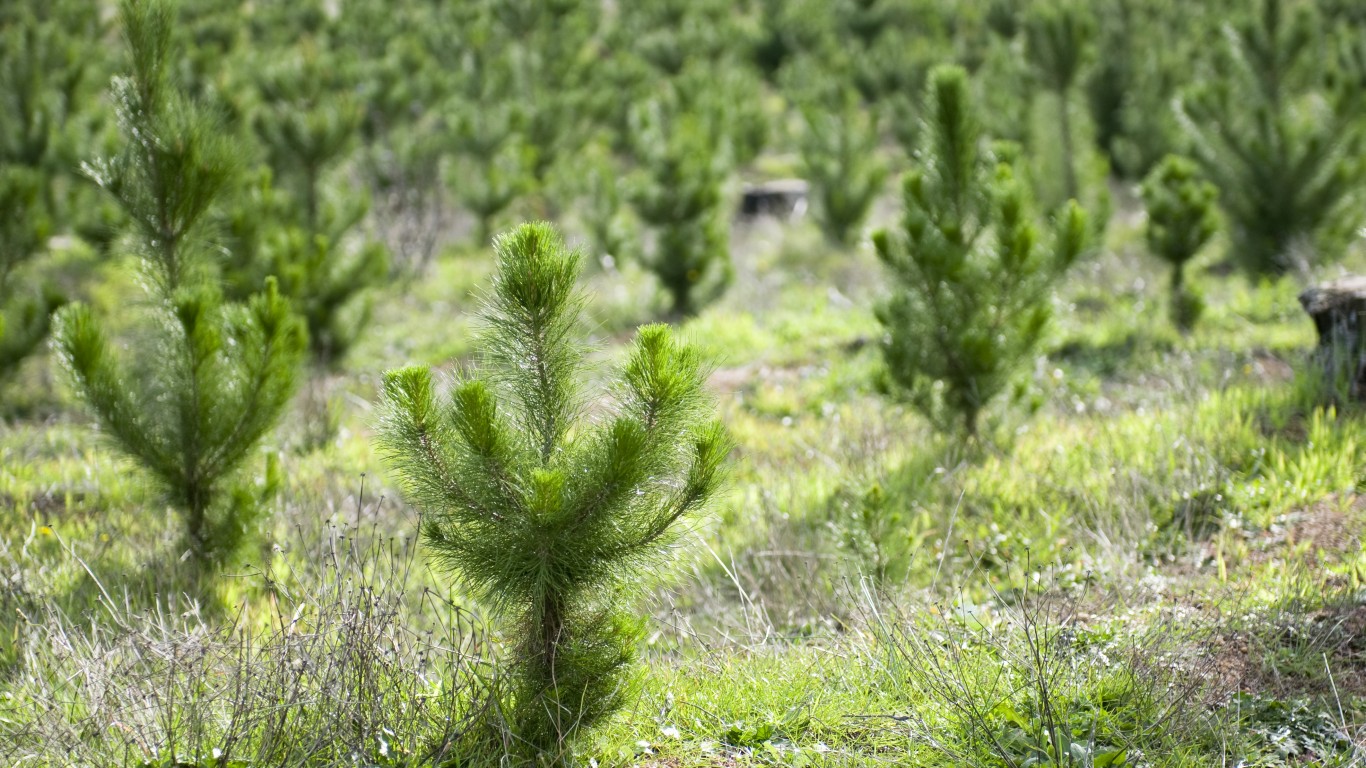
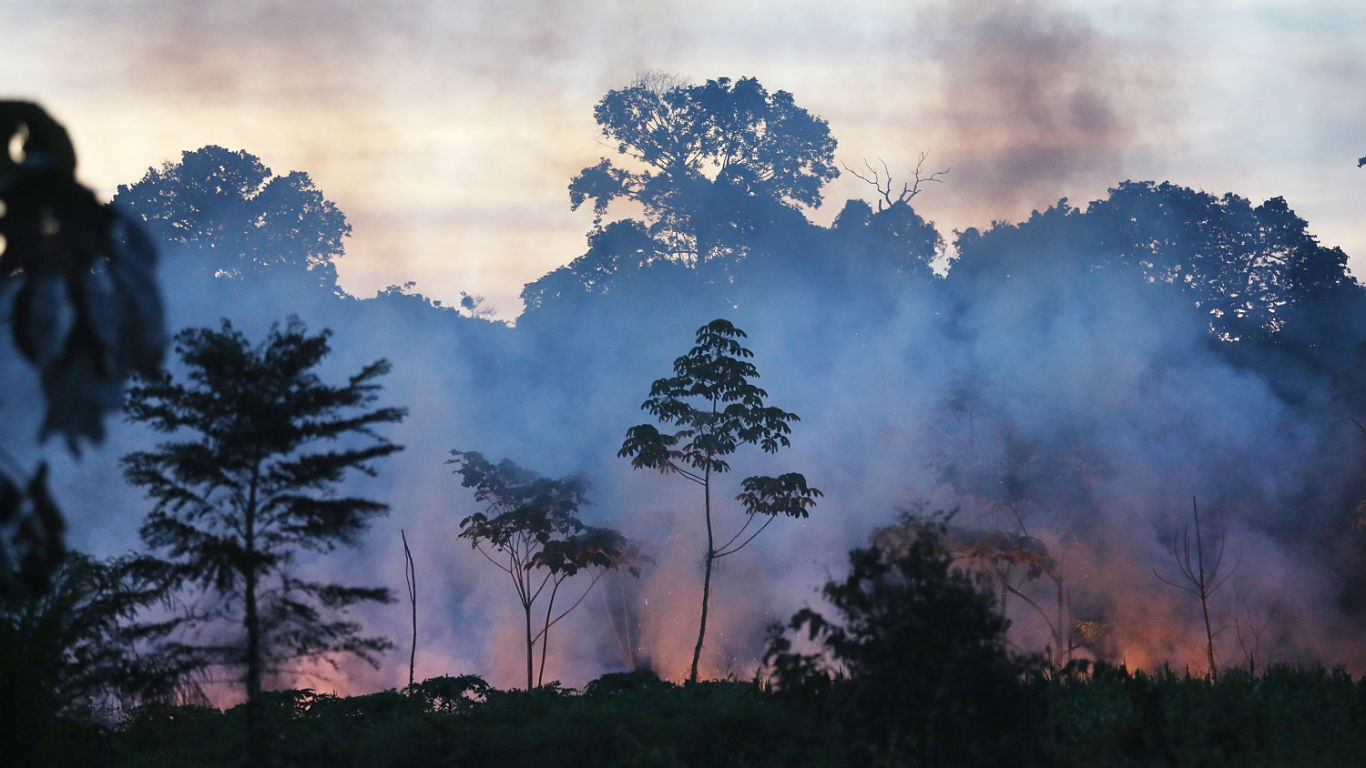
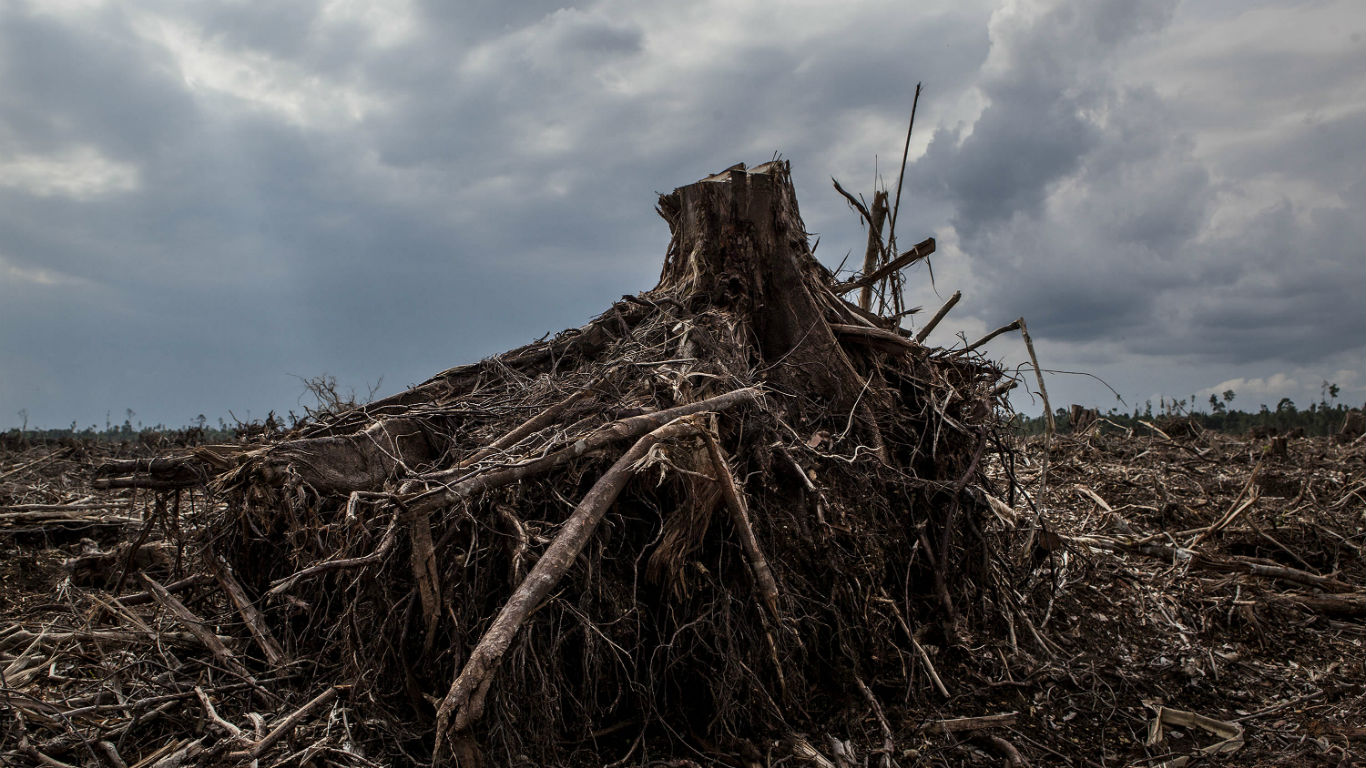
The Amazon rainforests are known as the “lungs of the world.” Some scientists believe that fires there will undercut oxygen output from the region, which is thought to be as much as 20% of the world’s total. Perhaps more important is that the carbon dioxide released by the fires creates a greenhouse gas effect. At the same time, massive forestation processes in the world’s two most populous nations have started to move the topography of forests to the eastern hemisphere.
The world is getting greener, according to the NASA Earth Observatory. A study based on NASA data and published in Nature Sustainability earlier this year shows that the Earth is “literally a greener place than it was 20 years ago.” The primary reasons are tree planting in China and increased agricultural activity there and in India. Chi Chen of the Department of Earth and Environment at Boston University, in Massachusetts, and lead author of the study, wrote, “China and India account for one-third of the greening, but contain only 9% of the planet’s land area covered in vegetation – a surprising finding, considering the general notion of land degradation in populous countries from overexploitation.”
The planting of forests in China is in part a reaction to the nation’s own pollution problem. For many millions of people living there, being in a city also means being exposed to deadly air pollution on a regular basis — these are the 28 most polluted cities in the world.
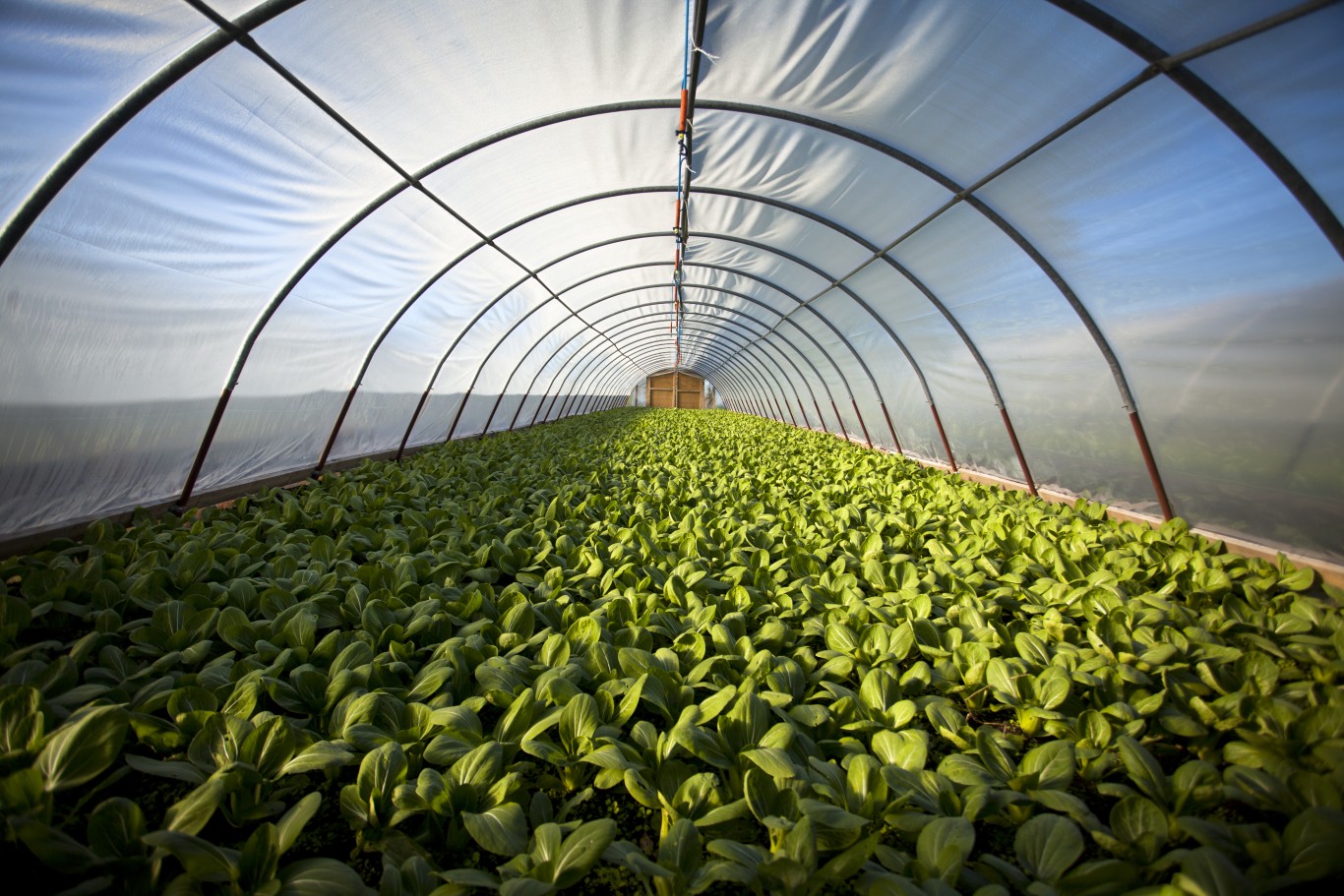
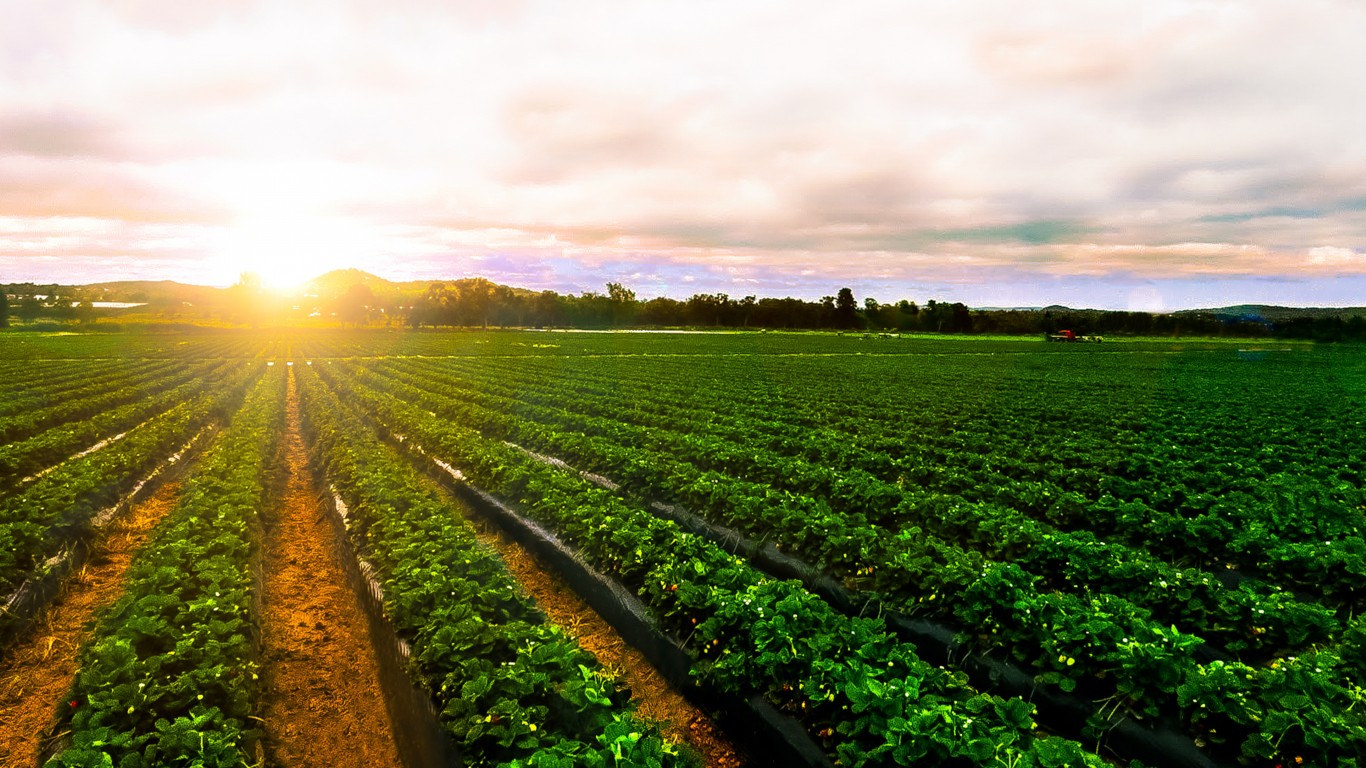
Planting is necessary to control soil erosion. In terms of agricultural activity, both China and India are rapidly expanding. Each country grows crops over an area of about 770,000 square miles. The improvement in the contribution to greening trends in the two countries is mostly better crop management and not larger areas of planting. In terms of the two nations, the researchers said, “Production of grains, vegetables, fruits and more have increased by about 35-40% since 2000 to feed their large populations.” The research paper describes this as better land-use management.
[nativounit]
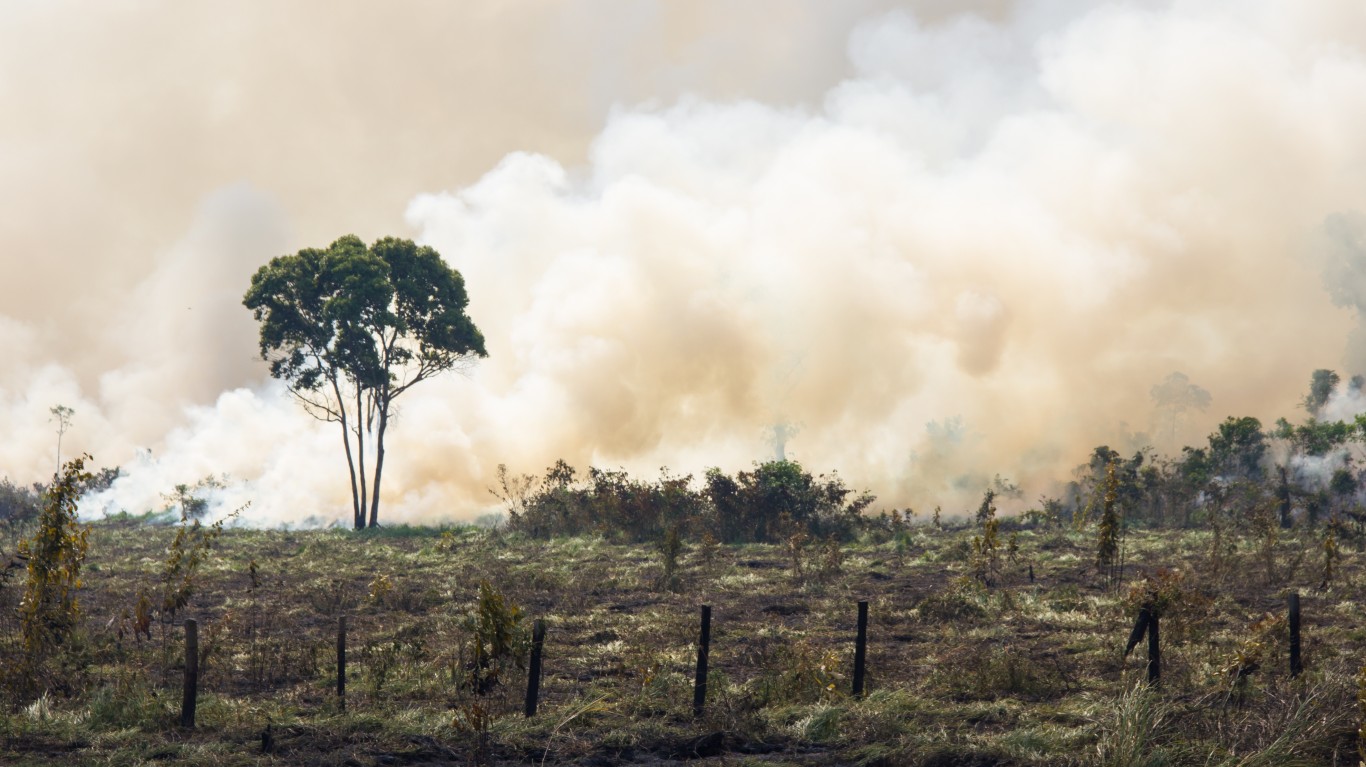
The scientists involved in the study warn readers that they should not be misled. The deforestation of the Amazon, which is currently driven in a large part by fires, cannot be entirely offset by forestation efforts elsewhere. Agricultural crops do not have exactly the same effect on the atmosphere as forests do. Nevertheless, Rama Nemani, a research scientist at NASA’s Ames Research Center, in California’s Silicon Valley, noted, “Now that we know direct human influence is a key driver of the greening Earth, we need to factor this into our climate models.” While the fires in the Amazon are horrible, great strides are being made elsewhere — and these are the countries doing the most to protect the environment.
[recirclink id=573037]
[wallst_email_signup]






 Top Gaining Stocks
 Top Losing Stocks