This Is How Scientists Plan to Attack America’s Massive Drought

Photo of Douglas A. McIntyre
By Douglas A. McIntyre Published
This post may contain links from our sponsors and affiliates, and Flywheel Publishing may receive compensation for actions taken through them.
This Is How Scientists Plan to Attack America’s Massive Drought

© usfwsmtnprairie / Flickr

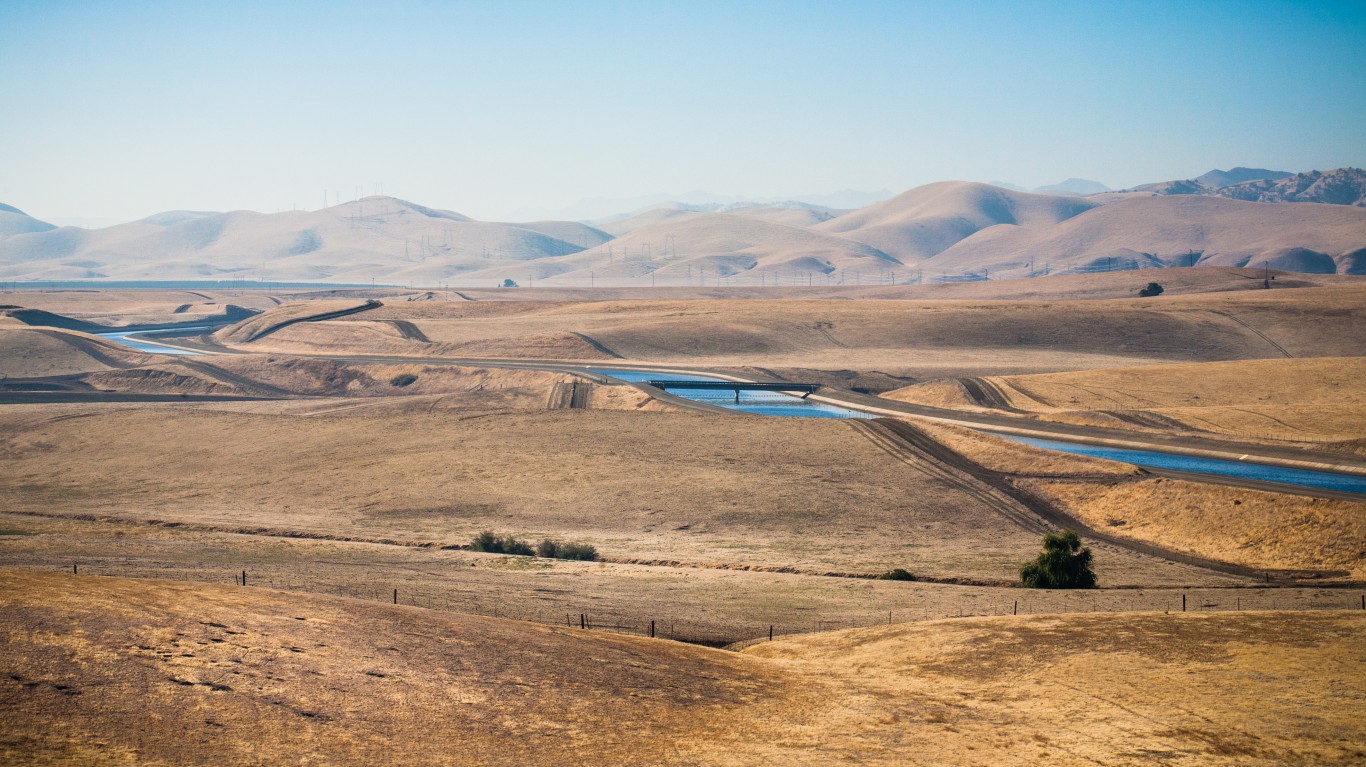
The gold standard for the measurement of drought in America is the U.S. Drought Monitor. It measures drought levels down to the state level. It shows that vast parts of the western United States have been hit by the worst drought in years and, in some cases, more than a century. Scientists have a plan to combat this, and it is not entirely new.

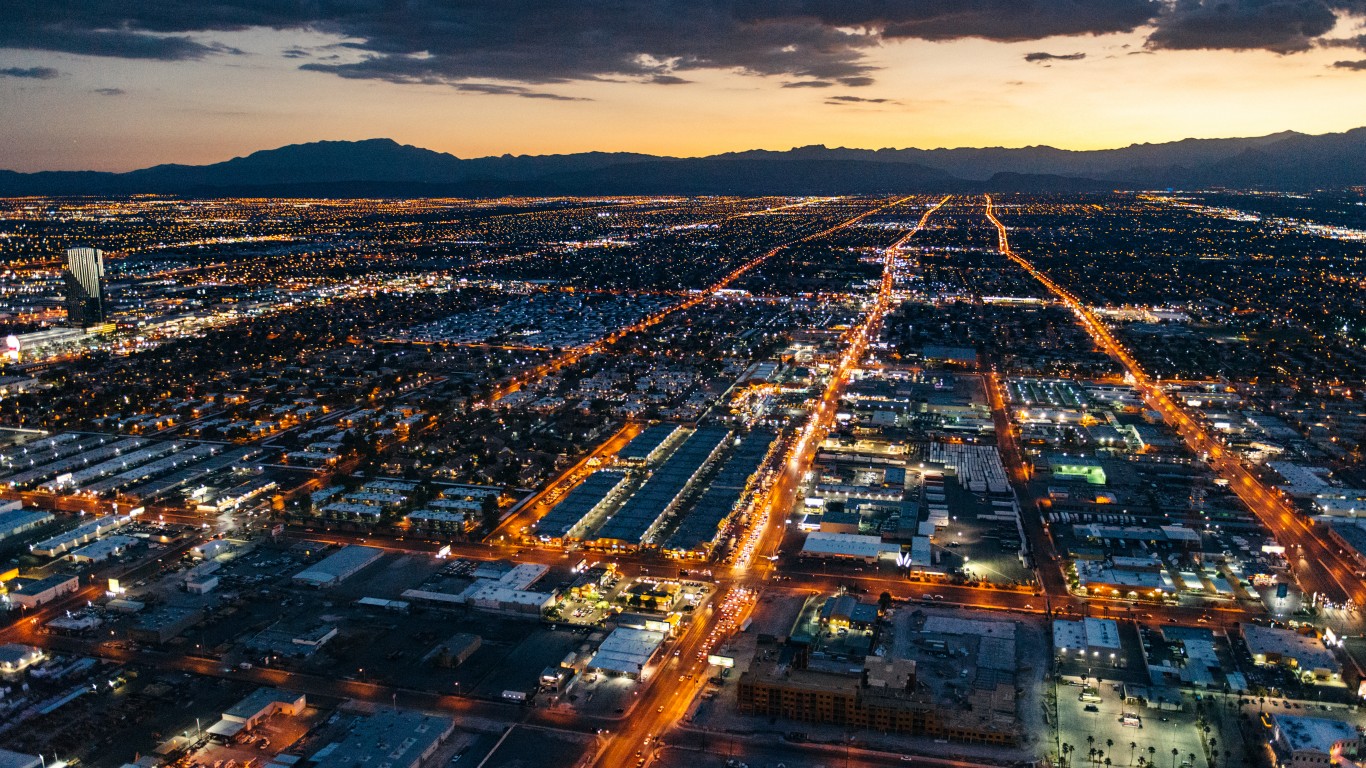
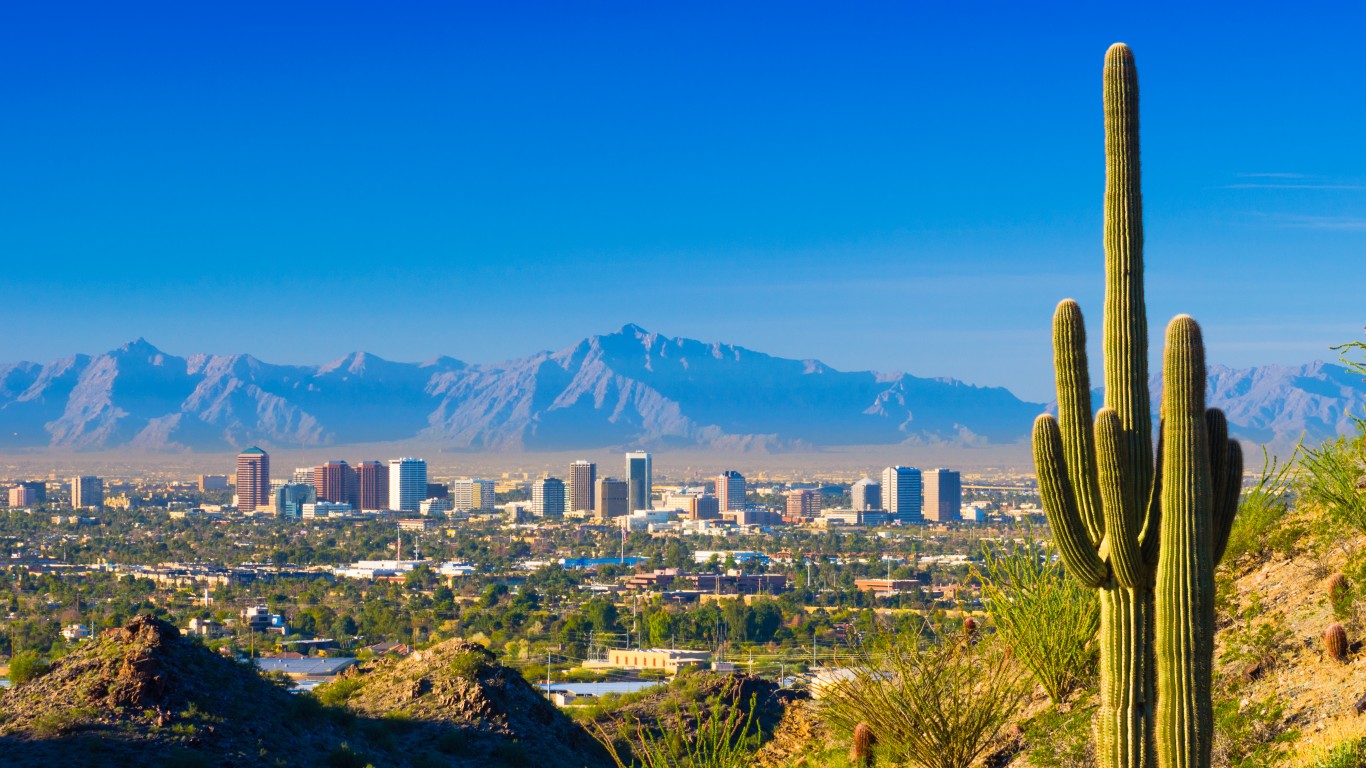
The Drought Monitor shows that much of Nevada, Utah, New Mexico and Arizona have the worst possible drought grade. This is labeled “exceptional drought,” and it “corresponds to an area experiencing exceptional and widespread crop and pasture losses, fire risk, and water shortages that result in water emergencies.” Some of America’s largest cities have been affected. Among them are Phoenix and Salt Lake City. According to the City of Phoenix website, the current drought problem “surpassed the worst drought in more than 110 years of official record-keeping.” In New Mexico, crops and cattle production are at risk.

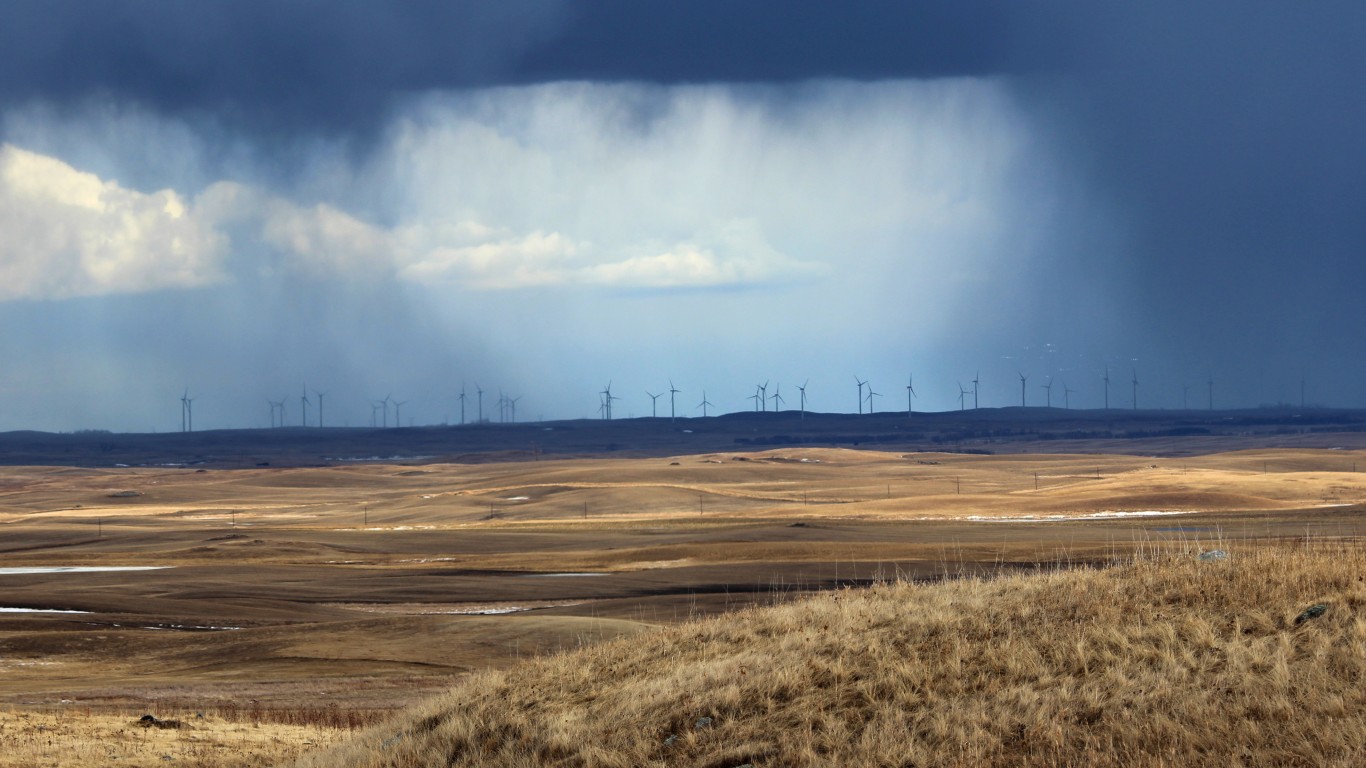
One solution to drought problems is known as cloud seeding. Colorado, Utah, Wyoming, Nevada, California, New Mexico and Arizona have combined funds to use the method to create rain over the hardest-hit areas. The basic method to do this dates back to the 1940s.
[nativounit]
Cloud seeding involves the use of crushed silver iodide. According to Scientific American:

The crystalline silver iodide particles have a structure similar to ice—and inside a cloud, like attracts like. Water droplets begin to cluster around the particles, freezing solid as they gather together.

The weight of the clusters makes them fall, creating snow or rain.

Among the challenges of cloud seeding is that solving the western drought likely would require hundreds of planes to fly across the skies of some of America’s largest states as measured by square miles. So, even if the process works, it may not be something that can be scaled.

Click here to see where the hottest place on Earth was recently.
[wallst_email_signup]

Photo of Douglas A. McIntyre
About the Author Douglas A. McIntyre →

Douglas A. McIntyre is the co-founder, chief executive officer and editor in chief of 24/7 Wall St. and 24/7 Tempo. He has held these jobs since 2006.

McIntyre has written thousands of articles for 24/7 Wall St. He is an expert on corporate finance, the automotive industry, media companies and international finance. He has edited articles on national demographics, sports, personal income and travel.

His work has been quoted or mentioned in The New York Times, The Wall Street Journal, Los Angeles Times, The Washington Post, NBC News, Time, The New Yorker, HuffPost USA Today, Business Insider, Yahoo, AOL, MarketWatch, The Atlantic, Bloomberg, New York Post, Chicago Tribune, Forbes, The Guardian and many other major publications. McIntyre has been a guest on CNBC, the BBC and television and radio stations across the country.

A magna cum laude graduate of Harvard College, McIntyre also was president of The Harvard Advocate. Founded in 1866, the Advocate is the oldest college publication in the United States.

TheStreet.com, Comps.com and Edgar Online are some of the public companies for which McIntyre served on the board of directors. He was a Vicinity Corporation board member when the company was sold to Microsoft in 2002. He served on the audit committees of some of these companies.

McIntyre has been the CEO of FutureSource, a provider of trading terminals and news to commodities and futures traders. He was president of Switchboard, the online phone directory company. He served as chairman and CEO of On2 Technologies, the video compression company that provided video compression software for Adobe’s Flash. Google bought On2 in 2009.

Featured Reads

Our top personal finance-related articles today. Your wallet will thank you later.

Continue Reading

Top Gaining Stocks

CBOE Vol: 1,568,143
PSKY Vol: 12,285,993
STX Vol: 7,378,346
ORCL Vol: 26,317,675
DDOG Vol: 6,247,779

Top Losing Stocks

LKQ
LKQ Vol: 4,367,433
CLX Vol: 13,260,523
SYK Vol: 4,519,455
MHK Vol: 1,859,865
AMGN Vol: 3,818,618