



By David Callaway, Callaway Climate Insights
I’m not big on the theories that everything will change once we emerge from our Covid hibernation, but one area I’ve been impressed with is the sudden commitment of some global services businesses to slashing business travel for climate reasons.
Bain & Co. last week became the latest to announce plans to throttle back its high-flying partners and executives, saying it hoped to cut 35% of its business travel budgets in the next five years. It joins other big service firms such as EY, Deloitte, and Salesforce.com (CRM), which all announced similar measures in the past six months. One firm, Swiss Re, plans to add an internal surcharge to travel budgets to buy offsets against any corporate travel its execs make.
The cutbacks make good business sense. Not only do they help limit a company’s carbon footprint in a noticeable way, they also help reduce costs, something that is always in vogue. A recent Deloitte study found that less than half of companies surveyed expect to return to their 2019 travel spending levels by the end of next year, 2022.
Still, most managers agree flying to visit clients is still a good idea, and Jamie Dimon at JPMorgan Chase (JPM), said a few weeks ago he wants all his folks on planes as soon as possible to visit clients. But the age of the CEO flying halfway around the world to visit far-flung outposts could be coming to an end.
As a former CEO who traveled to India twice a year, I’ll miss the people on the ground. But you can have the 17-hour flight to get there from New York. And the climate benefits that come from not taking it.
More insights below. . . .
Against the Grain: Climate change and early civilization
. . . . From the discovery of fire to early use of water irrigation and the creation of the political state, humans have been adapting to climate change since just about day one, according to a new book called “Against the Grain: A Deep History of the Earliest States,” by James C. Scott. In a thought-provoking and entertaining review, Jack Hamilton describes how some of history’s most seminal moments, and indeed, the human species’ position at the top of the food chain, can be tied to how we adapted to changes in our environment. . . .
Tuesday’s subscriber insights:
. . . . America has long trailed China and the European Union in adoption of electric vehicles. But the Biden Administration’s infrastructure bill this week, providing for billions of investment in new charging stations, and the improvement of new models, seems to be heralding a tipping point for EVs. Especially once inventory issues tied to the pandemic are worked through. Read more here. . . .
. . . . Ever since Citi Sustainability Chief Val Smith told us about ESG factors creeping into key performance indicators on loans we’ve been on the lookout. Now a unit of S&P Global Market Intelligence is out with a new report that in Europe leveraged loans with performance factors linked to ESG have climbed to about a quarter of the market. Read more about who is accessing that market here. . . .
. . . . Offshore wind power is another area of renewable energy the U.S. sorely trails its rivals in, but progress is being made. A plan to include payments to the fishing industry for loss of business tied to new wind farms in prime fishing grounds is a step forward in the battle to build. Read more here. . . .
Editor’s picks: Coal in Asia under pressure, high temps hit Olympians, and a coming coal-power decline
Tokyo temps weigh on Olympics
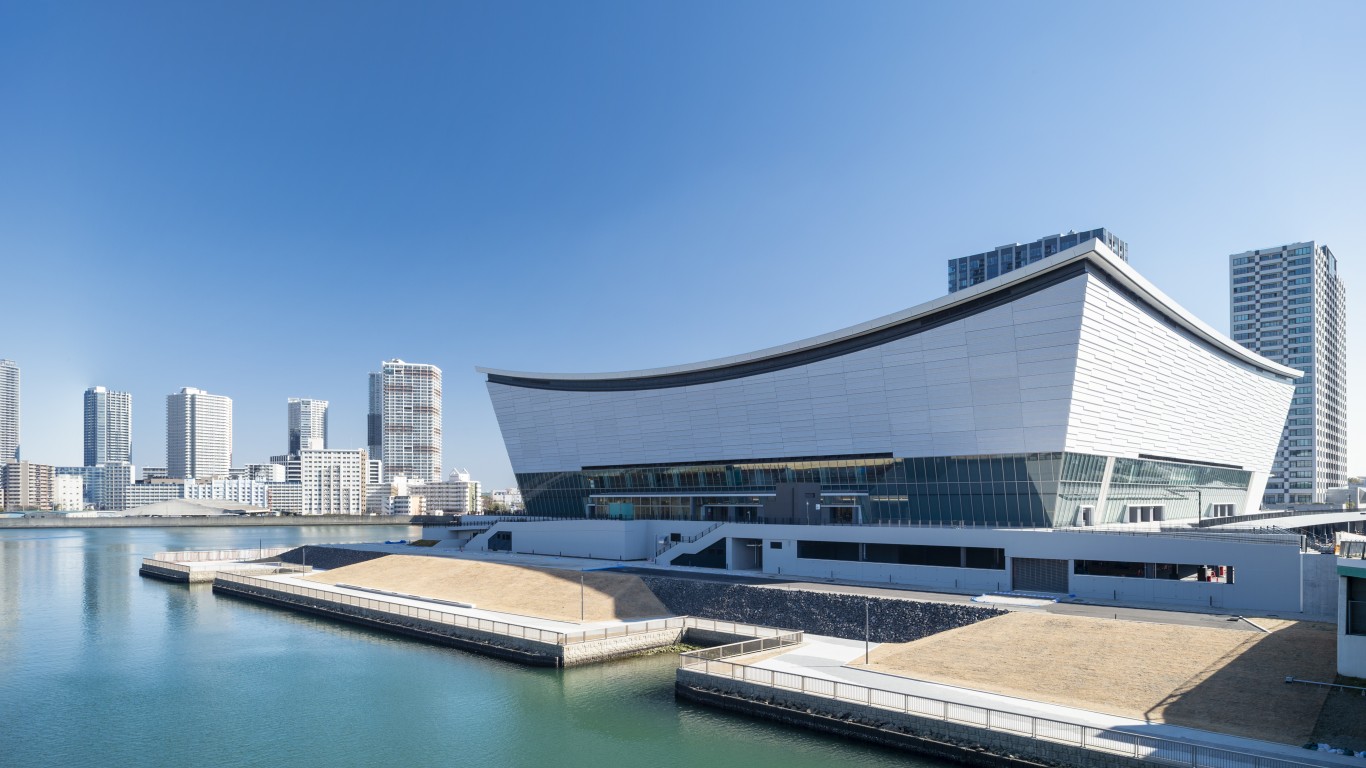
Tokyo’s oppressive heat is turning out to be the toughest opposition athletes are facing at the Summer Olympic Games. A trackside thermometer hit 40°C. (104°F.) Sunday and the humidity hovered around 60%, with sun beating down on an Olympic Stadium devoid of spectators due to COVID-19, Reuters said. Read our recent column, Chariots of Fire: The Olympics confront a warming world — Tokyo 2020 games set to be the hottest in history. According to the report, American Michael Norman, after finishing second in his 400 meters heat, said he has been drinking a lot of water for months in preparation as Tokyo is more humid than California. “I’ve just got to make sure I’m hydrated.” Reuters also notes that the risks of heat-stroke at one of the hottest Games on record are borne not only by the athletes, but also by the thousands of staff members and volunteers, especially at outdoor venues.
Retirement of U.S. coal-fired power plants could halve capacity
Based on already planned and announced retirements, less than half of the U.S. coal-fired power generation capacity that existed at the start of 2015 will remain online by 2035, a new S&P Global Market Intelligence analysis shows. Taylor Kuykendall, Anna Duquiatan and Darren Sweeney, writing for S&P Global, said utilities are rapidly closing coal-fired power plants, and while 2020 and 2021 offer a relative reprieve from retirements compared to 2018 and 2019, utilities already have over 10 GW of announced retirement plans lined up in each of 2022 and 2023. Moreover, later years, such as 2028, are also already slated to host a relatively big wave of coal plant retirements.
Today in wildfires
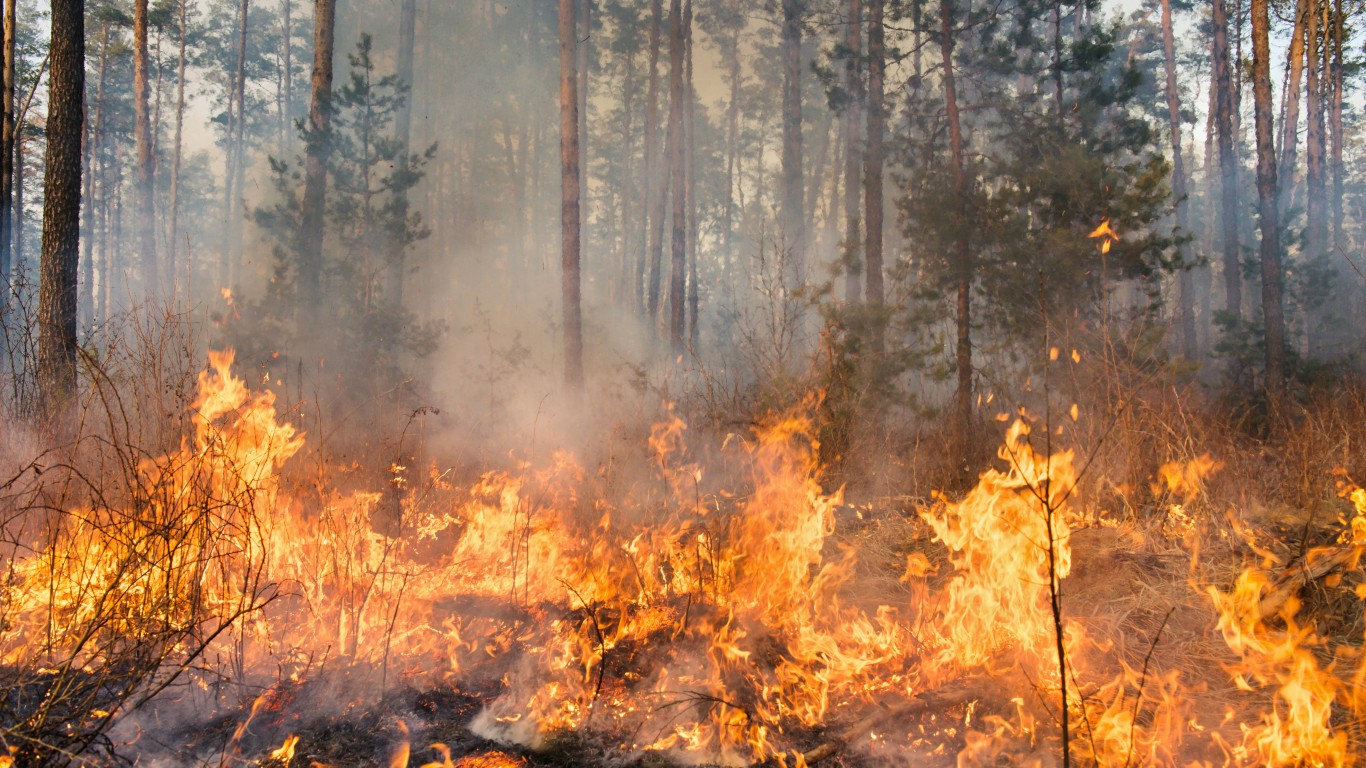
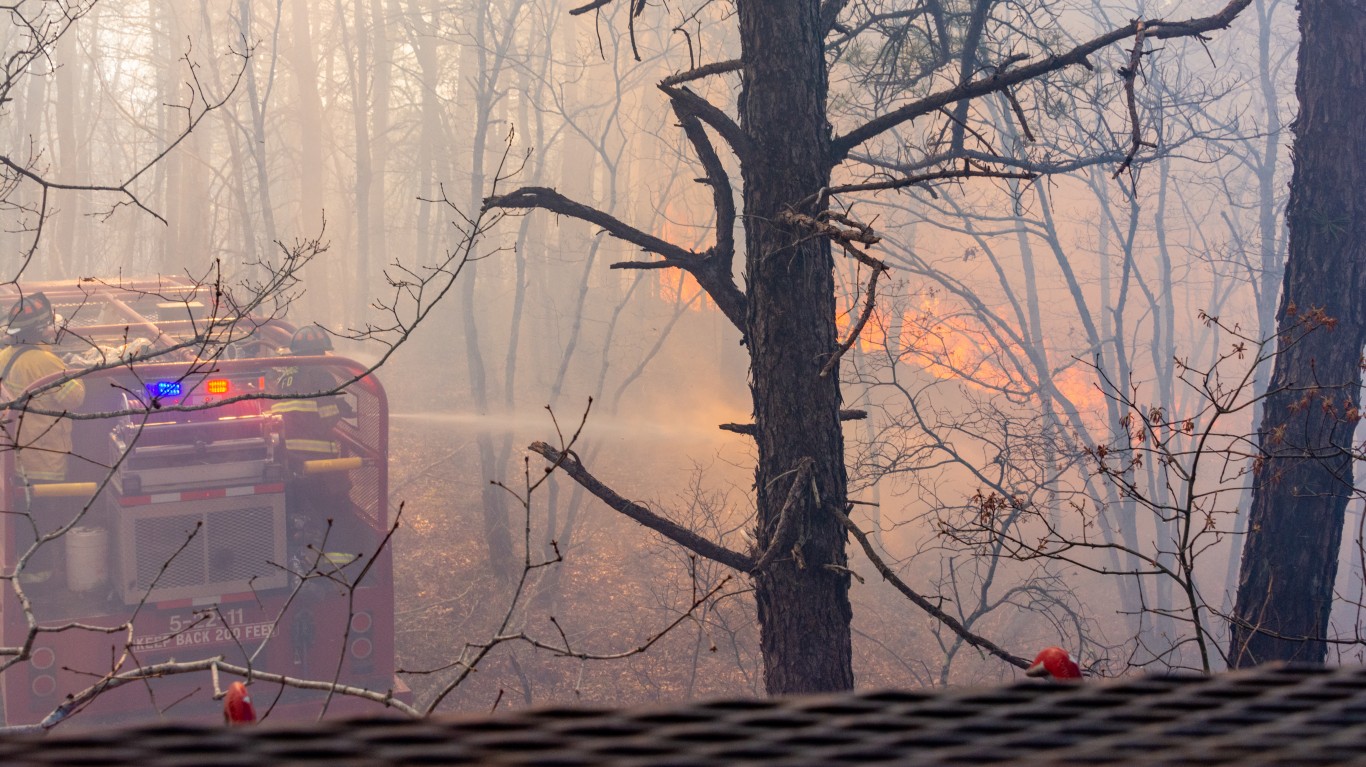
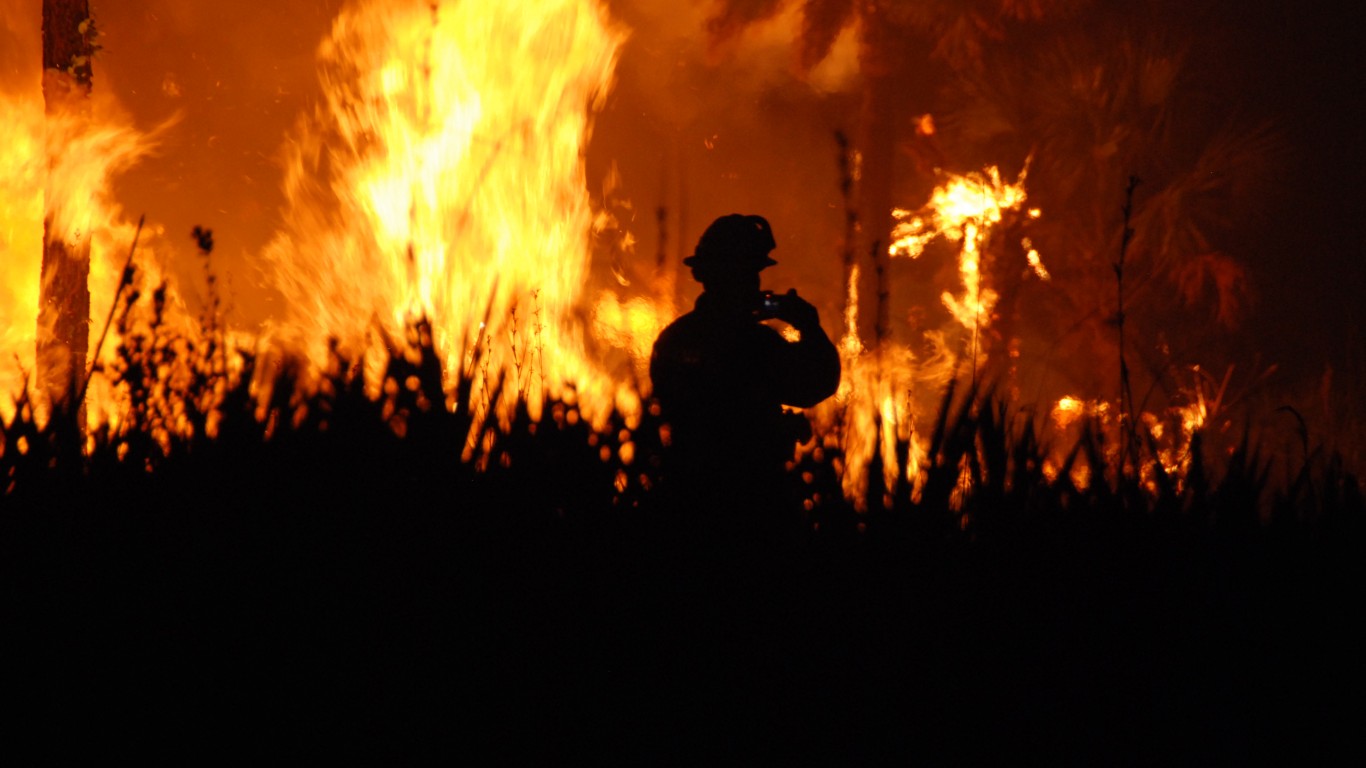
. . . . As of Aug. 3, the Fire Information for Resource Management System reported nine new large incidents in the U.S., four large fires contained, and 80 large fires uncontained. The Northern Rockies Area was among the most active, with 28 new fires overnight, including two new large incidents. The region has 39 uncontained large fires. Across the nation, the National Interagency Coordination Center reports that as of Tuesday morning, more than 21,637 firefighters are battling 108 blazes that have burned 1.78 million acres in the past day. . . .







 Top Gaining Stocks
 Top Losing Stocks