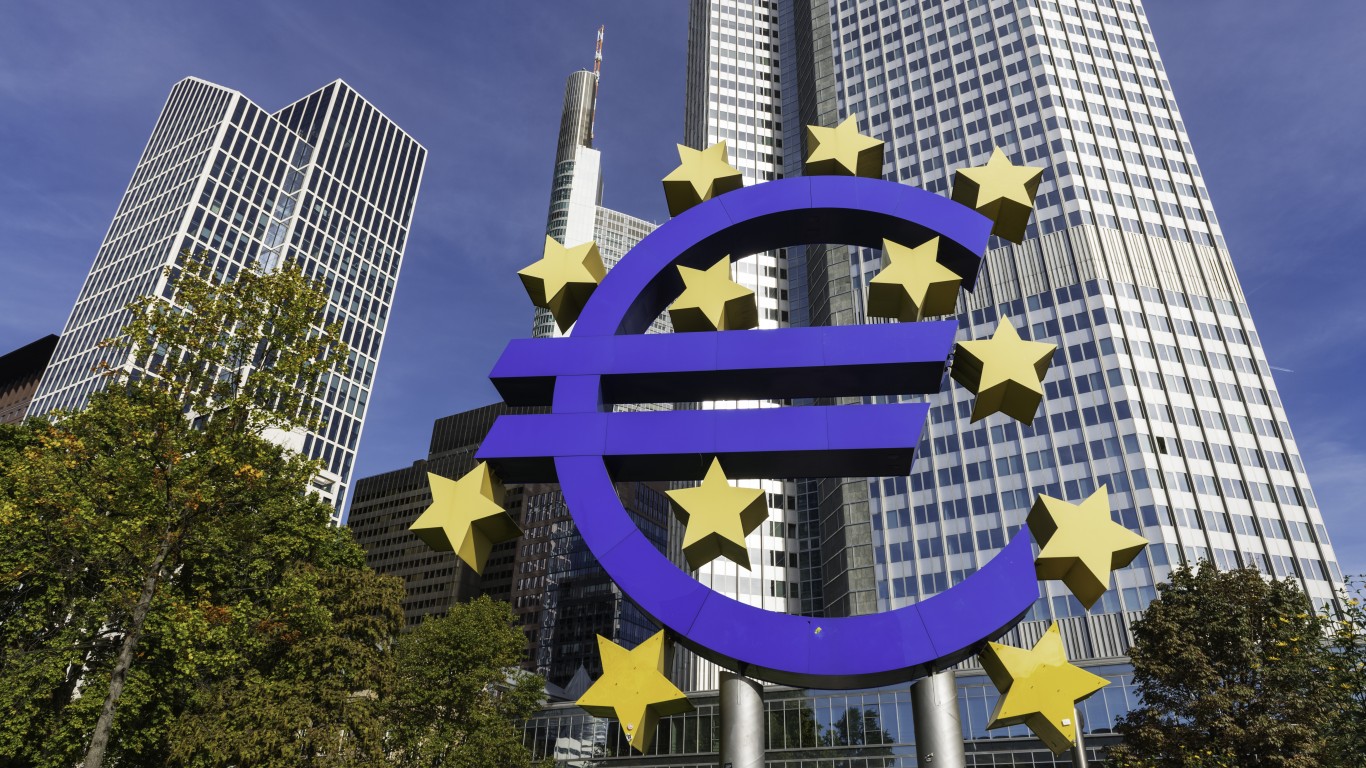
Carbon price plunge on war highlights huge disclosure gaps

Photo of Trey Thoelcke
By Trey Thoelcke Published
This post may contain links from our sponsors and affiliates, and Flywheel Publishing may receive compensation for actions taken through them.
Carbon price plunge on war highlights huge disclosure gaps

© AndresGarciaM / Getty Images

By David Callaway, Callaway Climate Insights

(David Callaway is founder and Editor-in-Chief of Callaway Climate Insights. He is the former president of the World Editors Forum, Editor-in-Chief of USA Today and MarketWatch, and CEO of TheStreet Inc.)

The European carbon credit market had for most of the past two years been a one-way bet. But Putin’s invasion of Ukraine changed all that.

Carbon prices that had closely correlated with rising oil prices ahead of the invasion — reaching a record of €95 ($104.29) the day before Putin’s troops entered Ukraine last month — suddenly tanked, a victim of a short squeeze in oil markets that forced big carbon polluters to sell credits to grab liquidity as global markets reeled.

The decline to as low as €58, and the subsequent bounce back to about €76 as of the end of last week, highlights the fragility of a new market that had been riding high on Europe’s move toward de-carbonization and renewable energy ahead of the war over Ukraine. It also is an early indication of the need for more transparency and disclosure among companies, banks, and other financial firms about potential risk.

new report out this week from the European Central Bank highlights that while about three-quarters of European banks are making some progress disclosing parts of their climate governance practices, the majority . . . .

To read the full column, all our insights, news and in-depth interviews, please subscribe and support our great climate finance journalism.


Callaway Climate Insights Newsletter

Photo of Trey Thoelcke
About the Author Trey Thoelcke →

Trey has been an editor and author at 24/7 Wall St. for more than a decade, where he has published thousands of articles analyzing corporate earnings, dividend stocks, short interest, insider buying, private equity, and market trends. His comprehensive coverage spans the full spectrum of financial markets, from blue-chip stalwarts to emerging growth companies.

Beyond 24/7 Wall St., Trey has created and edited financial content for Benzinga and AOL's BloggingStocks, contributing additional hundreds of articles to the investment community. He previously oversaw the 24/7 Climate Insights site, managing editorial operations and content strategy, and currently oversees and creates content for My Investing News.

Trey's editorial expertise extends across multiple publishing environments. He served as production editor at Dearborn Financial Publishing and development editor at Kaplan, where he helped shape financial education materials. Earlier in his career, he worked as a writer-producer at SVE. His freelance editing portfolio includes work for prestigious clients such as Sage Publications, Rand McNally, the Institute for Supply Management, the American Library Association, Eggplant Literary Productions, and Spiegel.

Outside of financial journalism, Trey writes fiction and has been an active member of the writing community for years, overseeing a long-running critique group and moderating workshop sessions at regional conventions. He lives with his family in an old house in the Midwest.

Continue Reading

Top Gaining Stocks

CBOE Vol: 1,568,143
PSKY Vol: 12,285,993
STX Vol: 7,378,346
ORCL Vol: 26,317,675
DDOG Vol: 6,247,779

Top Losing Stocks

LKQ
LKQ Vol: 4,367,433
CLX Vol: 13,260,523
SYK Vol: 4,519,455
MHK Vol: 1,859,865
AMGN Vol: 3,818,618