Inflation Surge May Come From Railway Strike

Photo of Douglas A. McIntyre
By Douglas A. McIntyre Published
This post may contain links from our sponsors and affiliates, and Flywheel Publishing may receive compensation for actions taken through them.
Inflation Surge May Come From Railway Strike

© Thomas Marx / iStock via Getty Images

There has been the most modest of hopes recently that inflation’s march upward might slow. Most of this is due to the drop in oil and gas, which may be temporary, based on, among other things, a Russian driven shortage across Europe. Broader supply chain disruptions have eased, but ever so slightly in most cases. Sharp inflation could flame again as early as this month.
[in-text-ad]
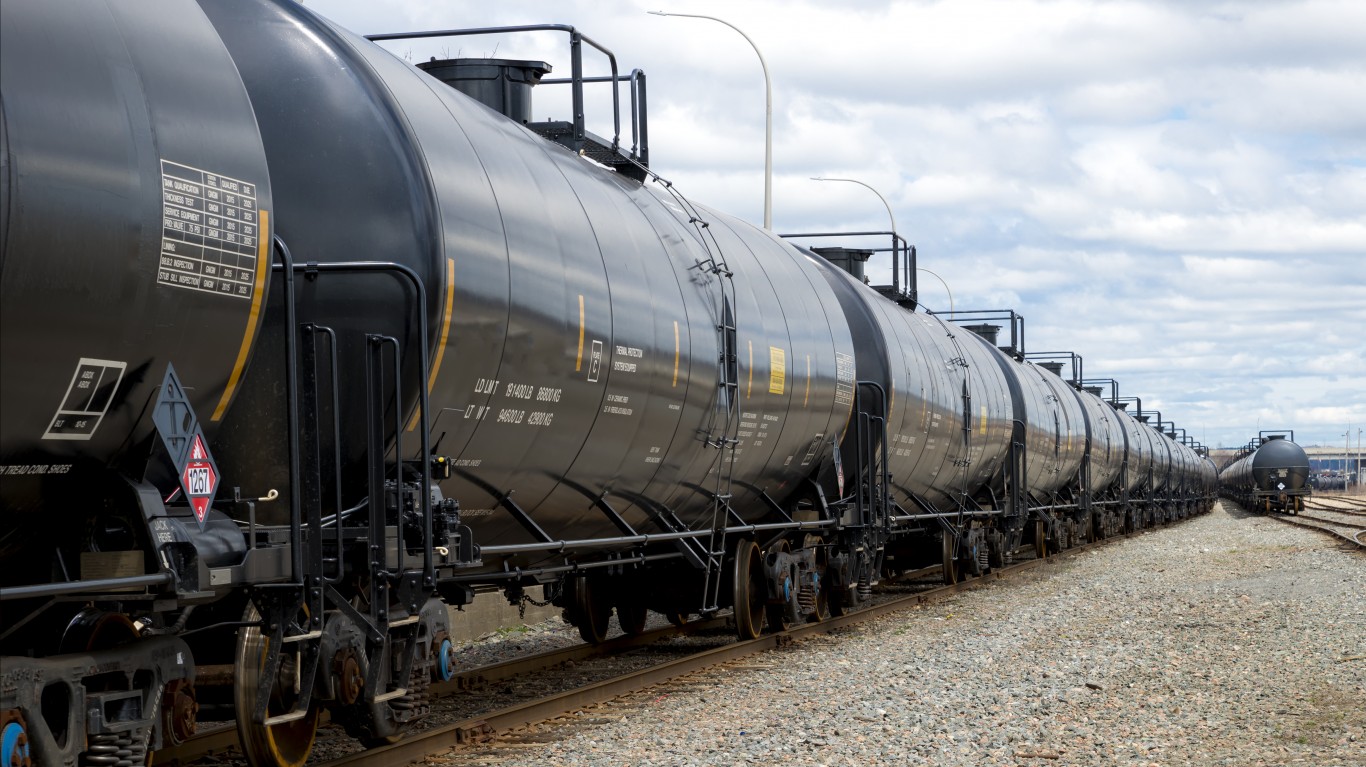
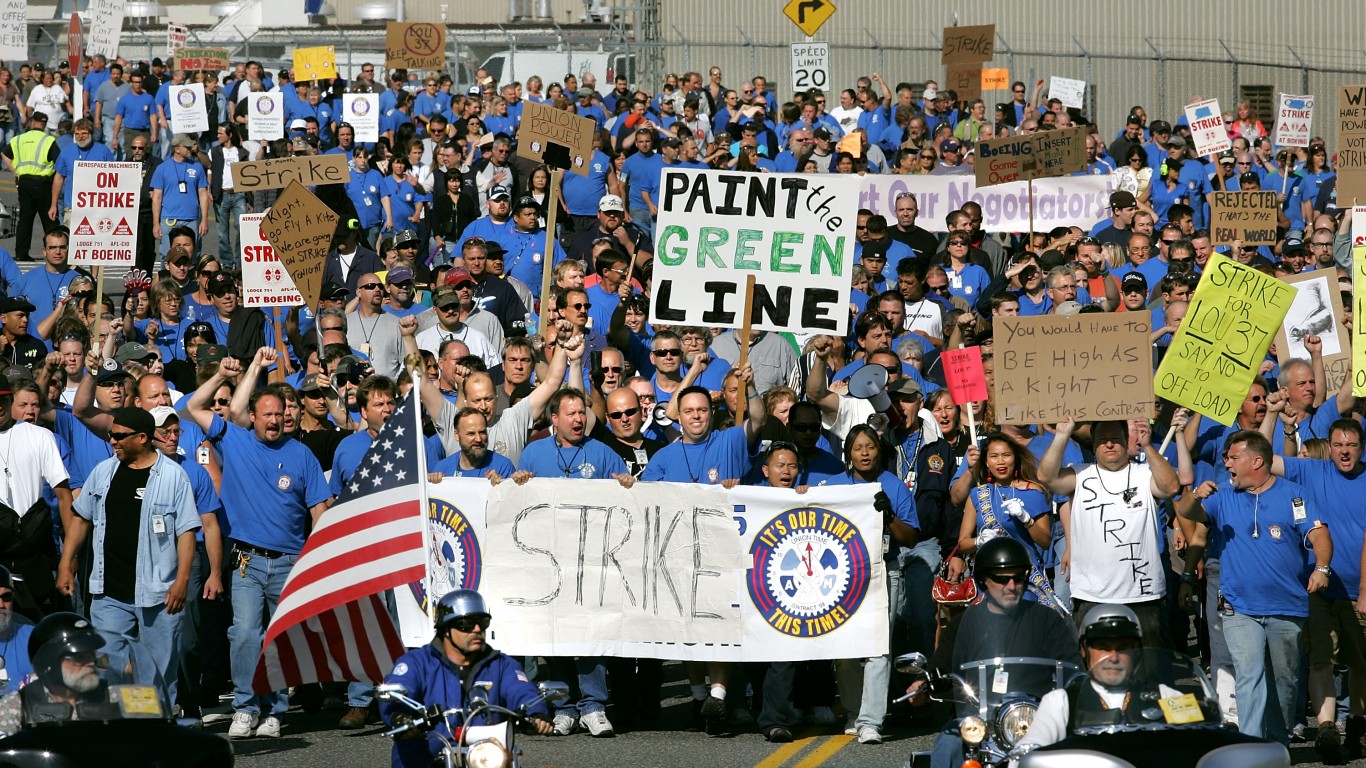
A strike by railway workers against the railroads that transport food, manufacturing components, coal, and even hazardous waste may bring traffic to a halt as early as next week. A total of 90,000 workers could walk off the job. The American Association of Railroads forecast the strike could cost the economy $2 billion a day.

One of the reasons economists have been optimistic about an improvement in the rising cost of living is more abundant access to energy. Because coal travels by rail, the optimism would be wiped out by a strike.

This is the harvest period for most of America’s farmers. They may find they cannot get their crops to markets.
[nativounit]
The component shortage that has damaged the car industry may be exacerbated by a drop in needed parts that are delivered by rail. Car prices, a primary cause of the recent inflation, began to cool. That period may be over just as it began.

The most effective battle against inflation is probably one being fought by the Fed. As it raises rates, at levels which have not been in place for well over a decade, it was assumed price increases would cool, and that unemployment would tick up. A railway strike may wipe out whatever progress the central bank has made, but unemployment could rise nevertheless as businesses buckle because they do not have access to the goods they sell.

The railway strike may only be an annoyance if there is a settlement after a few days. It appears, however, that management and labor are far apart. Ironically, inflation is among the reasons workers want higher compensation.

Over the last year, inflation was caused in part by unexpected problems led by the energy shortage. Another unexpected problem may be the next trigger.
[wallst_email_signup]


Photo of Douglas A. McIntyre
About the Author Douglas A. McIntyre →

Douglas A. McIntyre is the co-founder, chief executive officer and editor in chief of 24/7 Wall St. and 24/7 Tempo. He has held these jobs since 2006.

McIntyre has written thousands of articles for 24/7 Wall St. He is an expert on corporate finance, the automotive industry, media companies and international finance. He has edited articles on national demographics, sports, personal income and travel.

His work has been quoted or mentioned in The New York Times, The Wall Street Journal, Los Angeles Times, The Washington Post, NBC News, Time, The New Yorker, HuffPost USA Today, Business Insider, Yahoo, AOL, MarketWatch, The Atlantic, Bloomberg, New York Post, Chicago Tribune, Forbes, The Guardian and many other major publications. McIntyre has been a guest on CNBC, the BBC and television and radio stations across the country.

A magna cum laude graduate of Harvard College, McIntyre also was president of The Harvard Advocate. Founded in 1866, the Advocate is the oldest college publication in the United States.

TheStreet.com, Comps.com and Edgar Online are some of the public companies for which McIntyre served on the board of directors. He was a Vicinity Corporation board member when the company was sold to Microsoft in 2002. He served on the audit committees of some of these companies.

McIntyre has been the CEO of FutureSource, a provider of trading terminals and news to commodities and futures traders. He was president of Switchboard, the online phone directory company. He served as chairman and CEO of On2 Technologies, the video compression company that provided video compression software for Adobe’s Flash. Google bought On2 in 2009.

Continue Reading

Top Gaining Stocks

CBOE Vol: 1,568,143
PSKY Vol: 12,285,993
STX Vol: 7,378,346
ORCL Vol: 26,317,675
DDOG Vol: 6,247,779

Top Losing Stocks

LKQ
LKQ Vol: 4,367,433
CLX Vol: 13,260,523
SYK Vol: 4,519,455
MHK Vol: 1,859,865
AMGN Vol: 3,818,618