


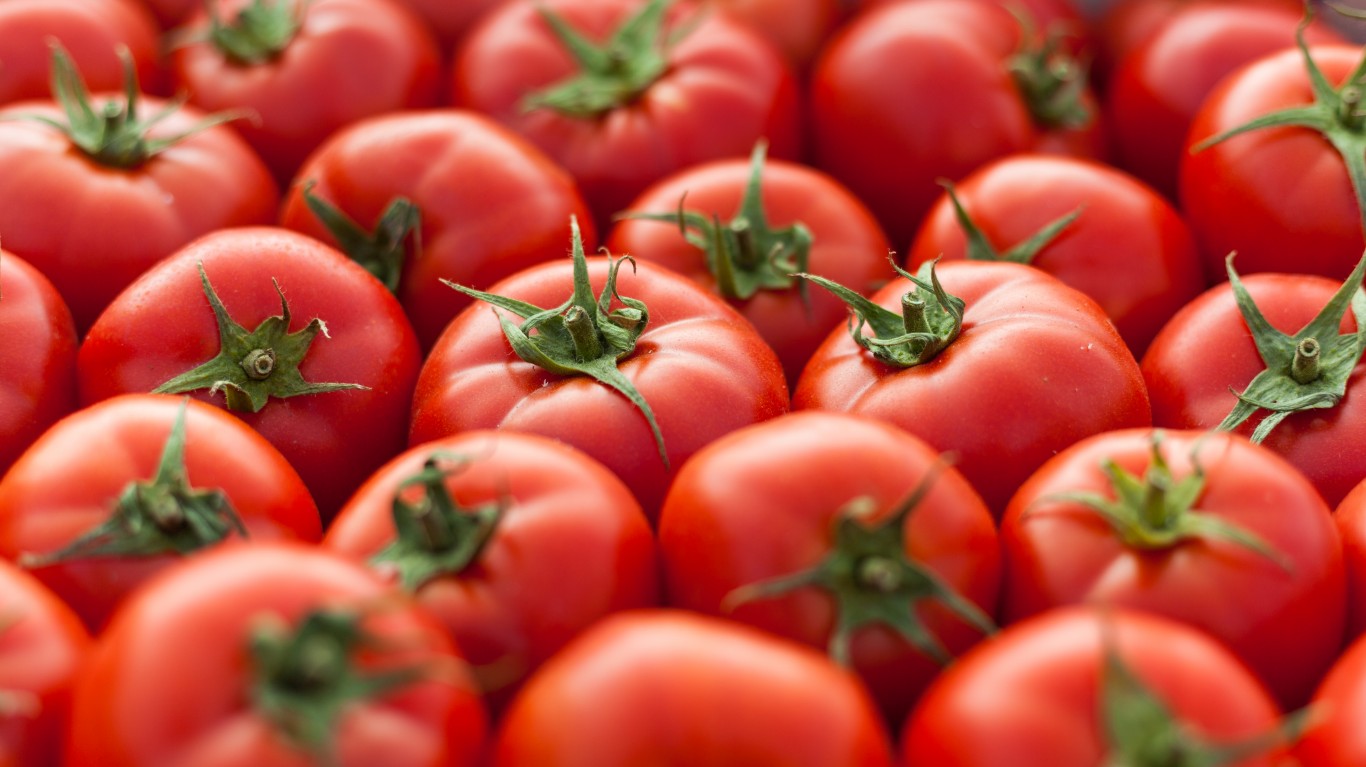
Inflation has been high enough that the consumer price index has been up most months recently by 8% over the previous year. Some prices have risen much more sharply. Early in the year, this was mostly gasoline and oil. More recently, the jumps have been in food, including meat, grains, milk, eggs, fruits and vegetables. An emerging pricing problem has joined them. Tomatoes, which can cost as much as $6 a pound, could be at $10 by year’s end. While the increase is staggering on a percentage basis, it shows how quickly hyperinflation could reach parts of daily life.
[in-text-ad]
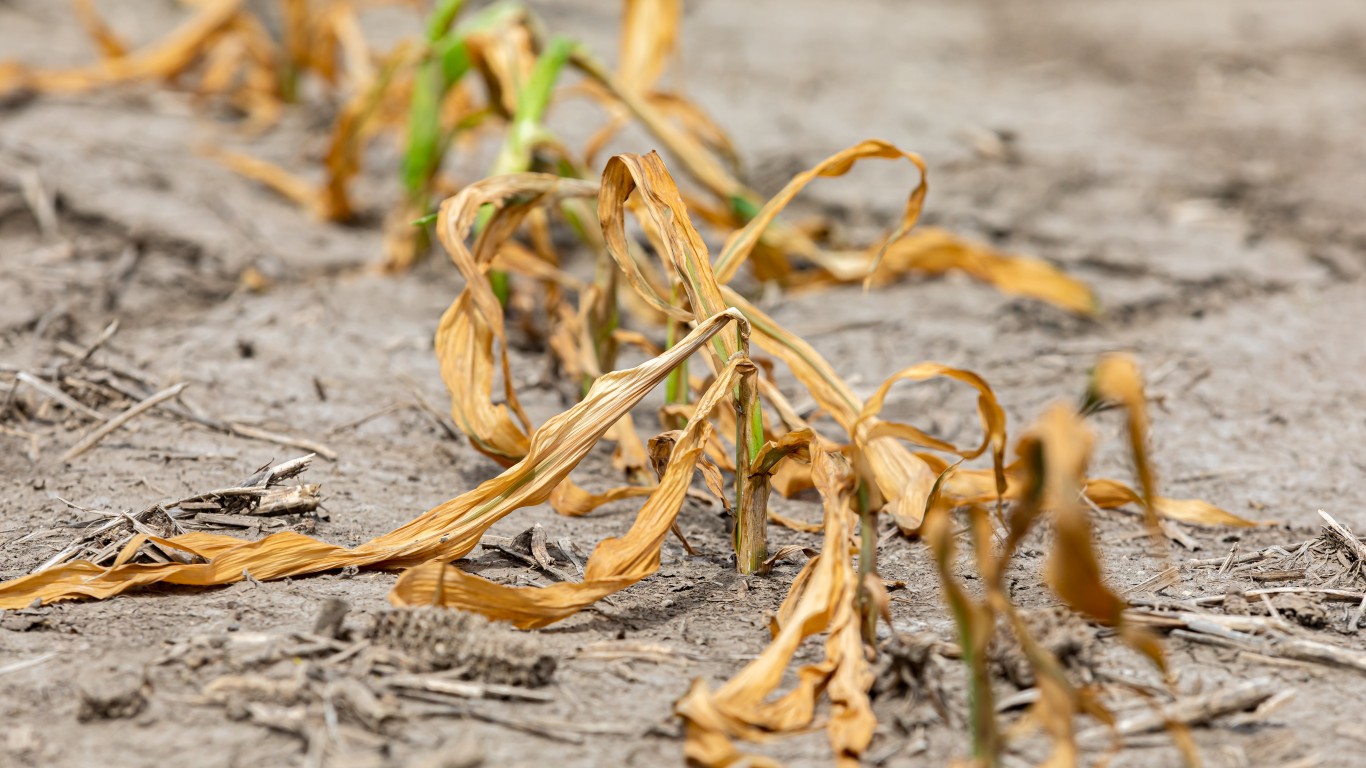
The primary reason tomato costs could rise quickly is a drought in California, where most of America’s tomatoes are grown. According to Reuters, “California’s drought conditions, on top of Hurricane Ian ravaging citrus and tomato crops in Florida, are likely to push food costs even higher.” In other words, tomatoes may be just the tip of an iceberg.
[nativounit]
The drought in the U.S. southwest will not end soon, perhaps not even this century. The U.S. Drought Monitor shows extreme drought in California, Nevada, Utah, Arizona, New Mexico and Texas. In some cases, it extends to Colorado, Oklahoma and Nebraska. Many of these areas are among the most important agricultural regions in the world.
More evidence of the persistent drought is the drop in the levels of many of America’s largest rivers and lakes. The Colorado River, Lake Meade and Great Salt Lake are most prominently mentioned. These are only examples of hundreds of smaller lakes and rivers.
[wallst_email_signup]
Tomatoes can be grown in only a few spots in America, at least in any volume. Most are in California and Florida. Smaller-producing states include North Carolina, Ohio and Tennessee, but these states never will produce the huge harvests of California. There is no place for the tomato farming business to move.
[recirclink id=1170883]
The tomato problem shows one challenge at the heart of inflation: scarcity. Oil can be drilled only in relatively few places. The key components of fertilizers come from a modest number of countries. Huge harvests of grain get produced by a limited number of nations. And the places tomatoes can be grown have started to disappear.







 Top Gaining Stocks
 Top Losing Stocks