


The International Energy Agency, the most well-regarded oil-price think tank in the world, says it is now concerned with whether the global supply of oil will be adequate to meet demand over the next two decades. The group had spent most of its time in recent years looking at the dynamics of demand, especially in crude-hungry regions like the US and China.
The prevailing wisdom has been that oil supplies are ample in places like Saudi Arabia and Kuwait. The kings and princes who run those countries just wanted to hold back shipments to keep prices high. That thinking is changing. The IEA “is preparing a sharp downward revision of its oil-supply forecast,” according to The Wall Street Journal. By way of turning modest hope into hopelessness, the analysis also points out that big oil producing countries are spending much less on exploration.
The thought that oil could move closer to $200 may not be so misguided.
Dirty energy is coming back into vogue. According to The New York Times, “in Japan (coal) production has jumped to its highest in nearly four decades.”
In Beijing there are days when the sun is barely visible. Smog hangs over the city, most of it from coal and wood burned for heat and energy. The Chinese central government has tried to clean some of that up for the Olympics. It has not worked entirely. A number of athletes won’t be showing up for the games. They claim the air quality it too poor. But, China drags on oil like an old man does on a cigarette. What does not kill him makes him stronger.
The US has an abundance of coal. Mining is becoming more profitable as oil prices rise and demand for anthracite soars. A little pollution could go a long way to cut dependence on oil.
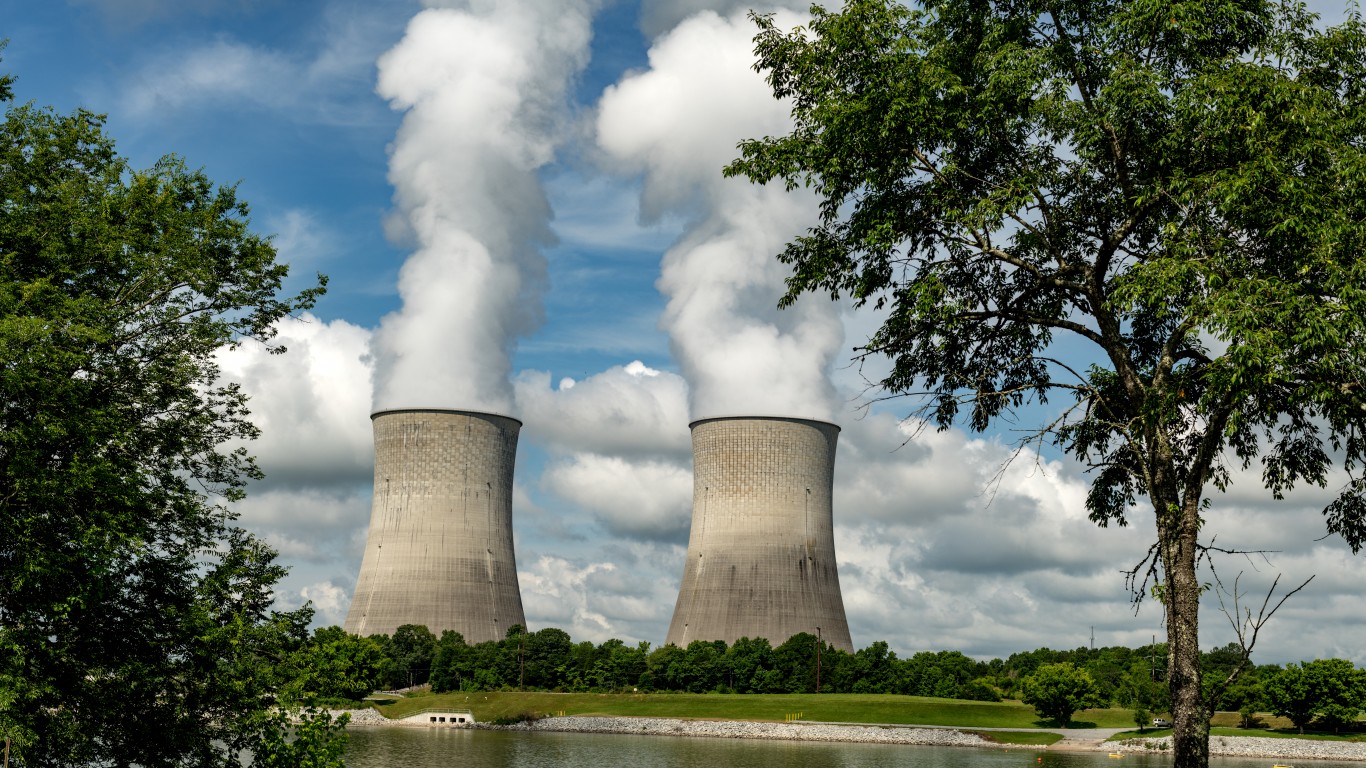
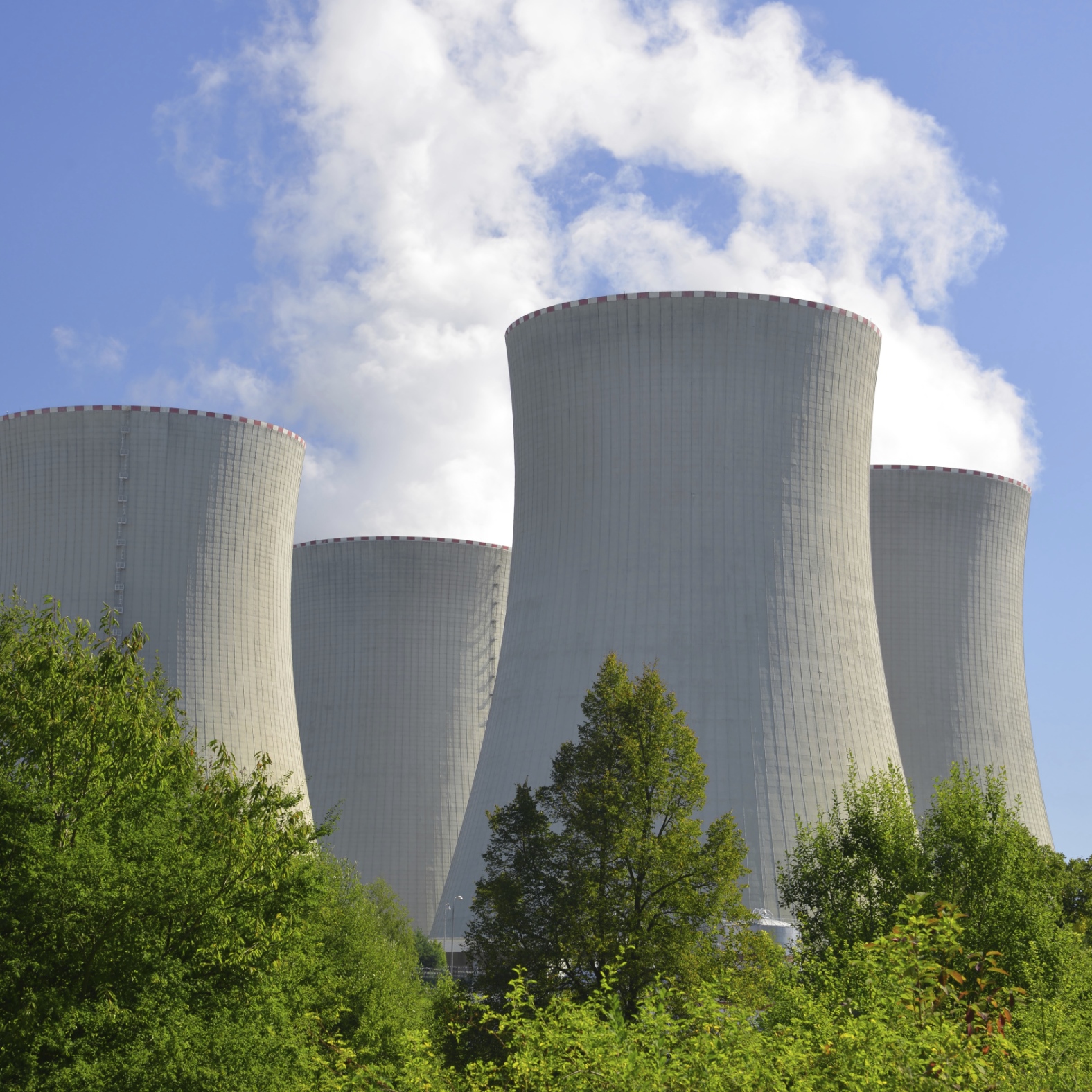
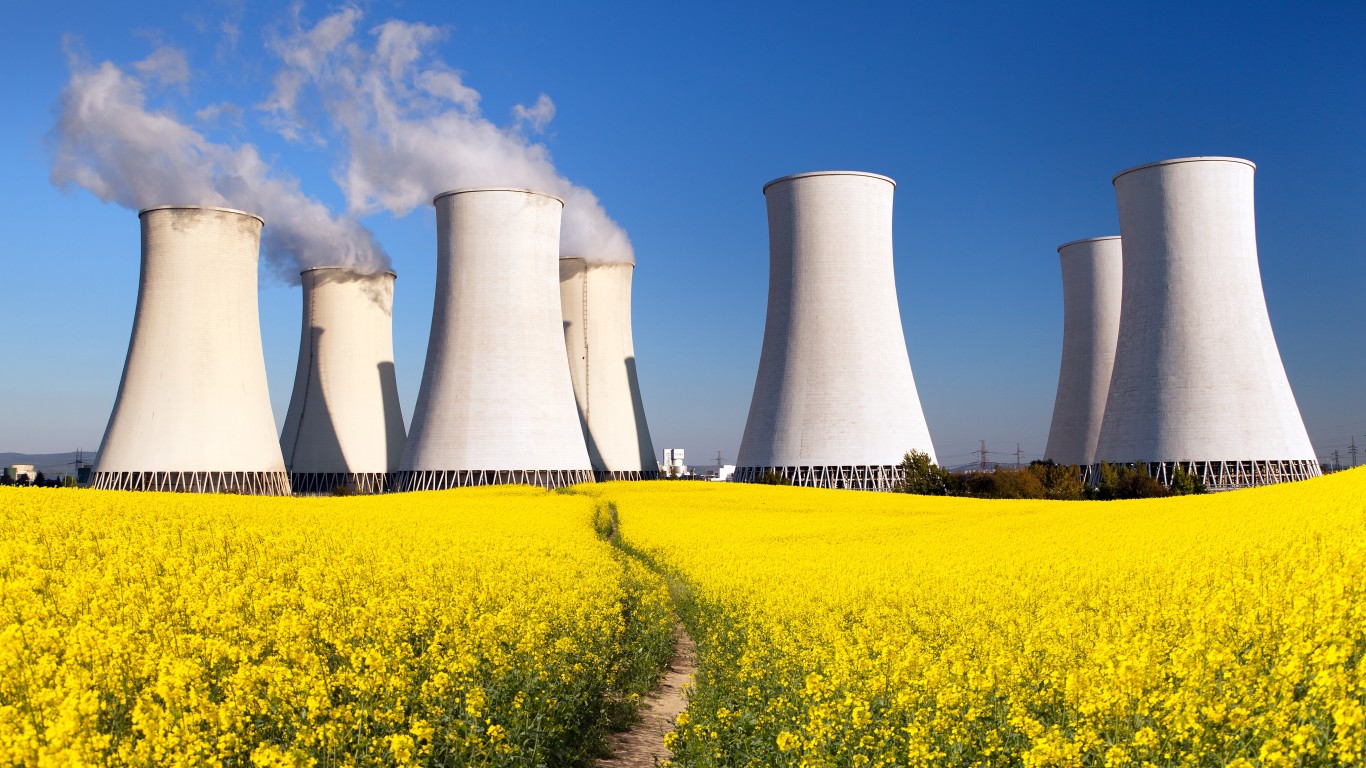
The 1986 problems at Chernobyl put the West off nuclear energy. Having citizens who glow in the dark did not seem worth having cheap and abundant energy. The US does not build nuclear plants anymore. When oil hits $150, the sentiment about that may change. The government may even look at granting incentives to energy companies who want to put a carrier-class plants next to a big cities.
Energy alternatives which seemed unimaginable just months ago are starting to look like beauty queens. Solar and ethanol will not be able to replace oil, at least not for years. With uranium and coal, it is a different matter.
Douglas A. McIntyre







 Top Gaining Stocks
 Top Losing Stocks