


 U.S. utilities, which are under pressure to use more environmentally friendly fuel sources, are increasingly betting their future of natural gas at the expense of coal.
As Bloomberg News notes, the U.S. Department of Energy estimates that gas-fired electricity will climb 31 percent of U.S. power generation in 2010 from five years ago, while coal use will fall 6.5 percent. This comes amid a continuing public relations blitz by advocates of coal, which advocates argue has a smaller environmental footprint than it used to thanks to the $90 billion has invested in new technologies in recent years. That message is not resonating with some.
General Electric Co. (NYSE: GE) CEO Jeff Immelt and Microsoft Corp. (NASDAQ: MSFT) co-founder Bill Gates are among the business leaders calling for the U.S. government to triple its spending on clean energy research and development to $16 billion in the wake of the BP Plc. (NYSE: BP) disaster in the Gulf of Mexico.
Energy companies, though, cannot afford to wait for these green projects to come to fruition — if they ever do. Demand for electricity, which increased by 2.4% in the 1990s, rose on average by 0.9 percent between 2000 and 2008, according to the Energy Information Administration. Power use likely did not change much since then as economic growth slowed because of the Great Recession while devices and appliances became more energy efficient. That means that energy companies are more interested than ever in using the lowest cost fuel which causes the least amount of hassles. Natural gas fits the bill.
Prices for the fuel are at a 11-month low and Duke Energy Corp. (NYSE: DUK) Chief Executive Jim Rogers told Bloomberg that the price and regulatory outlook may ” may prompt companies to defer coal projects and build plants that burn the cleaner fuel.” He speaks from experience. Charlotte, North Carolina-based Duke is planning to phase out but its biggest coal-fired plants by 2015. Xcel Energy Inc. (NYSE: XEL), Colorado’s largest electric utility, plans to spend $1.3 billion as part of a plan to convert coal plants to run on gas. Even the Tennessee Valley Authority is on the bandwagon, recently announcing plans to idle 9 coal plants next year as it looks to replace “older and less-efficient coal-fired units with other sources of low-carbon and carbon-free power generation.”
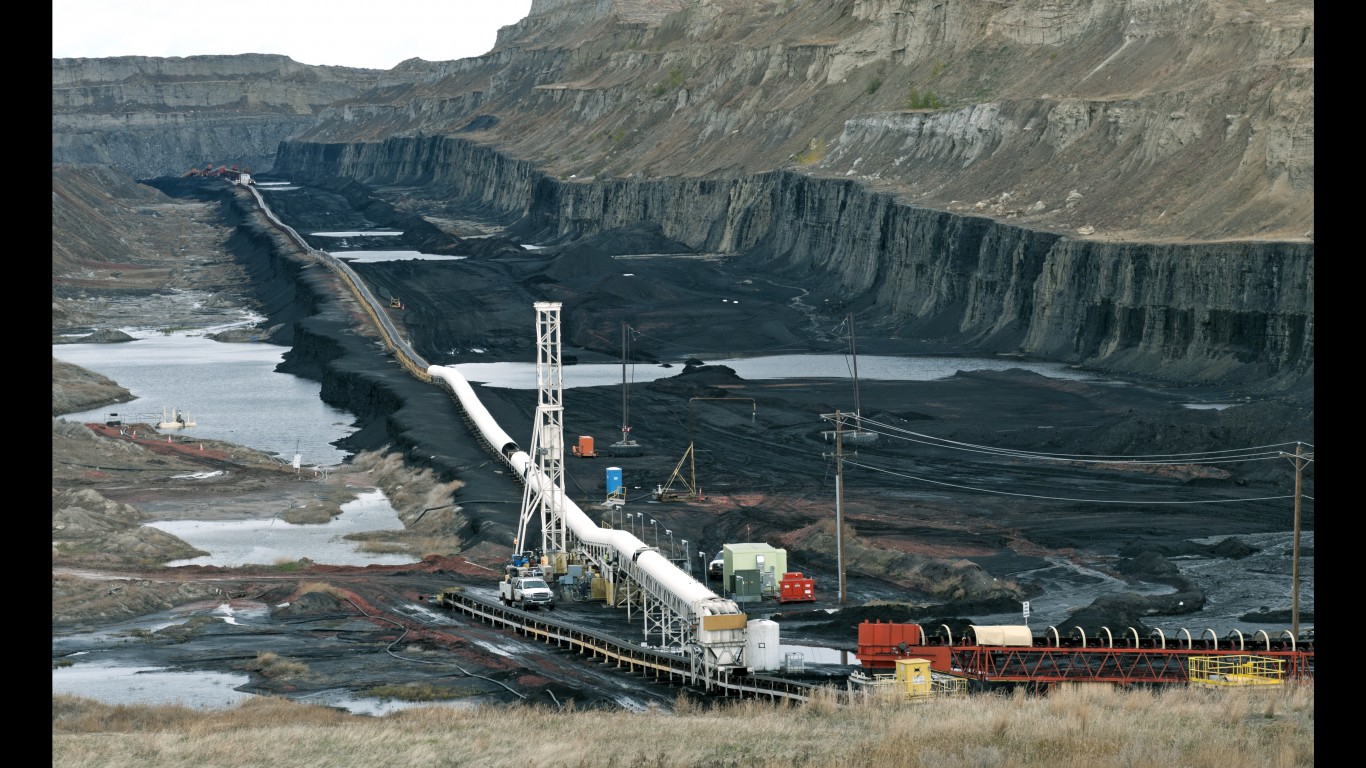
Of course, coal will retain its spot as the dominant fuel for electricity generation for years to come, it generates about half the power generated in the U.S For one thing, supplies are abundant. As the coal industry often likes to point out, the U.S. is to coal what Saudi Arabia is to oil. America has more than 250 billion tons of recoverable coal reserves, equal to 800 billion barrels of oil, more than three times Saudi Arabia’s proven oil reserves. Moreover, the industry continues to enjoy strong support on Capital Hill. President Obama, who has proposed the cap-and-trade system the industry despises, tried to place by setting aside $3.4 billion from the stimulus bill for carbon capture and storage technology. Industry advocates such as West Virginia Sen. Jay Rockefeller (D) say the U.S. needs to spend about $25 billion. Environmentalists say there is no proof that carbon capture will ever be financially feasible. But like with ethanol, politics often trumps science and economics when it comes to coal
Though coal will remain king of the fuels, its crown has lost its luster. Natural gas is the prince and nuclear power may be a duke or earl. The other players in the energy kingdom are pretenders to the throne even if they are far greener than the lords of the castle.
–Jonathan Berr







 Top Gaining Stocks
 Top Losing Stocks