EU Green Energy Ambitions No Easy Task

Photo of Douglas A. McIntyre
By Douglas A. McIntyre Published
This post may contain links from our sponsors and affiliates, and Flywheel Publishing may receive compensation for actions taken through them.

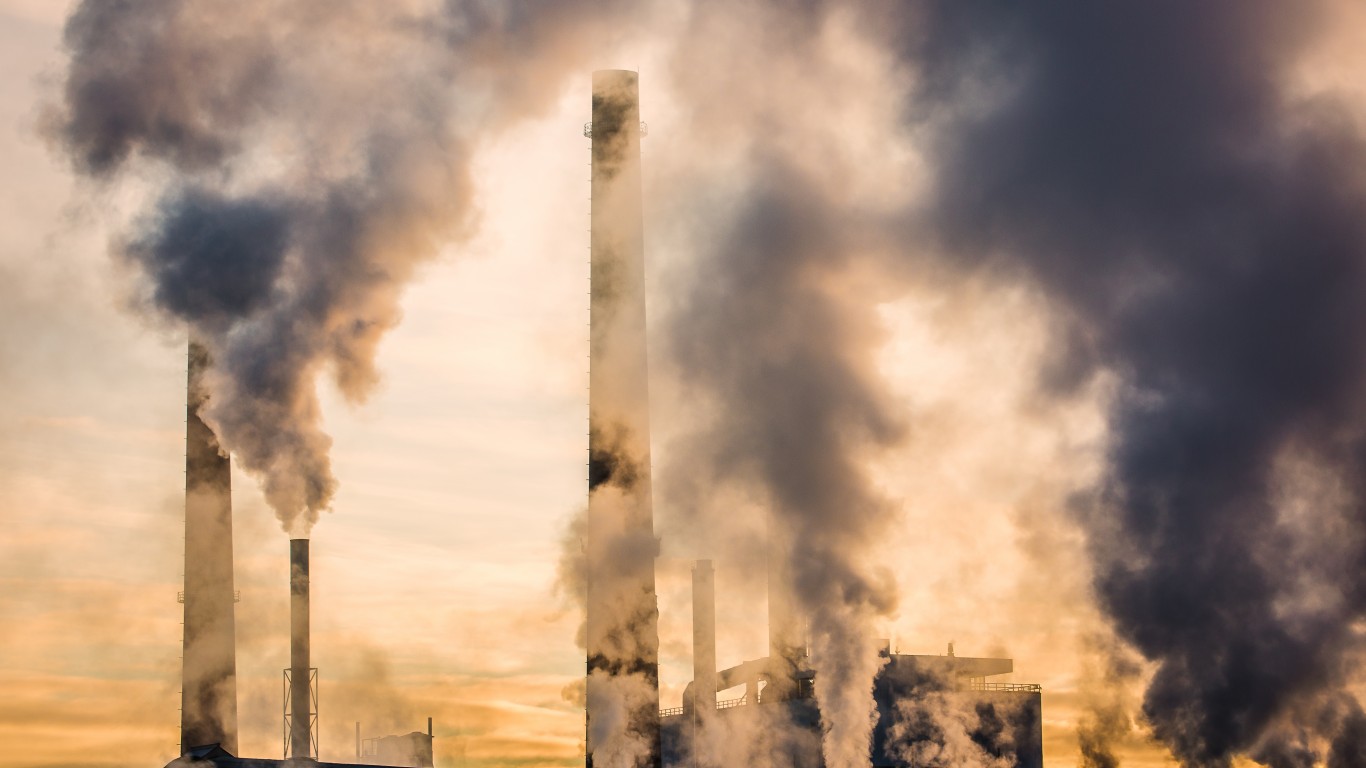
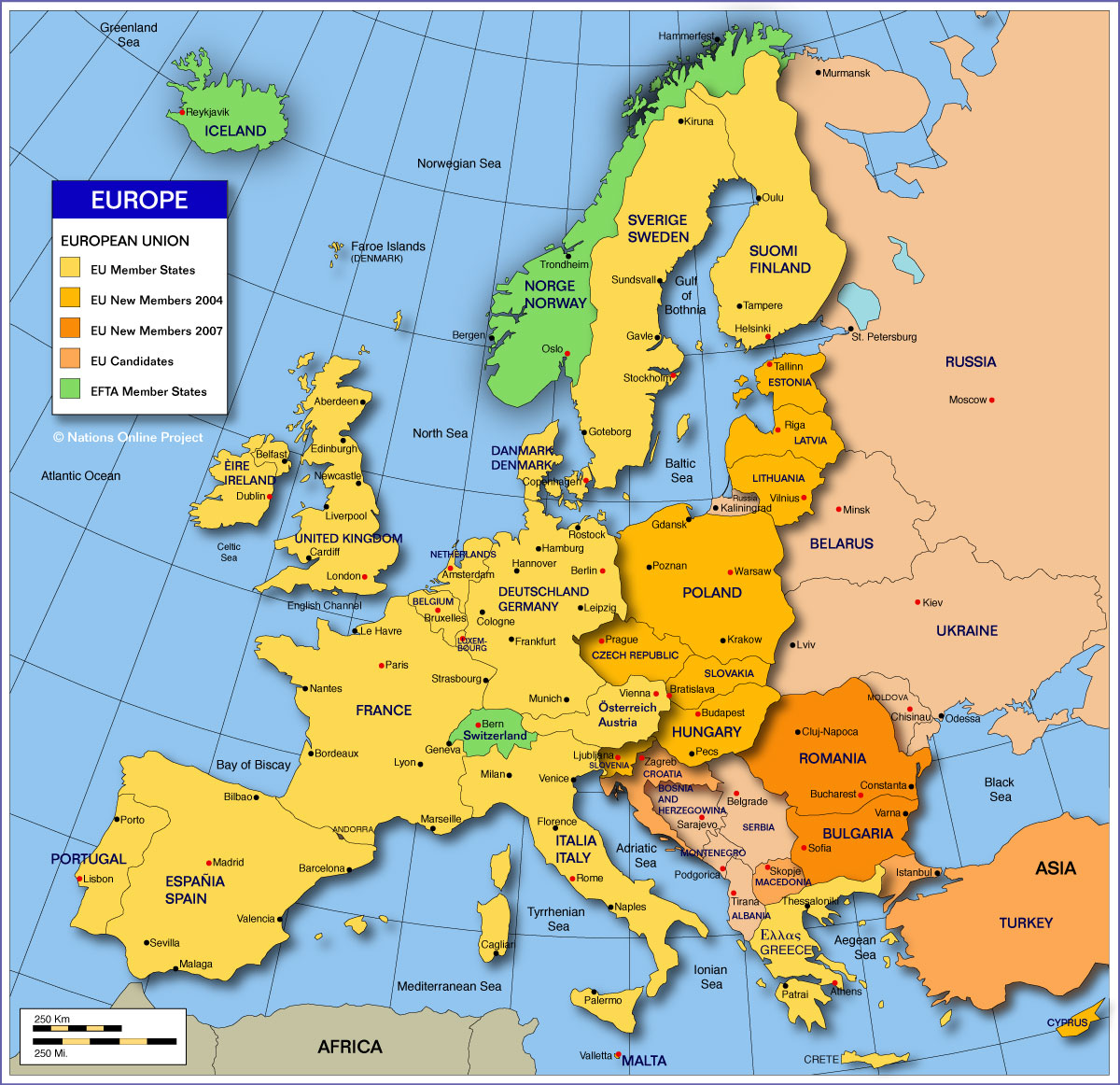
London and its partners in the European Union count their so-called 20-20-20 scheme as among the global models for a low-carbon future. Much of the region aims to cut emissions, use more renewable energy resources and cut overall consumption. But there seems to be a bit of a dichotomy in Europe, with some countries recoiling from shale natural gas and others increasing their oil and natural gas exploration. Now comes some evidence to suggest that more Britons are dying from pollution than traffic accidents. While green ambitions are no easy task, given the precedent for carbon, recent developments suggest it’s not just a dismal economy that’s clouding the skies over Europe.

European Commissioner for Climate Action Connie Hedegaard said Monday that members of the European Union were “leading global action to prevent climate change from reaching severe and irreversible proportions.” She said the 20-20-20 scheme — a move to cut greenhouse gas emissions by 20 percent, increase by 20 percent the market share for renewable energy and increase energy efficiency by 20 percent — is setting a standard for thinking green.

A study from the Massachusetts Institute of Technology, however, finds that despite European efforts, more people die each year from illnesses associated with pollution than in traffic accidents. The study found that more than 3,000 people died every year from diesel emissions from automobiles, planes and power plants. MIT scholars suggested there was an imbalance between actions and words when it comes to a low-carbon economy in Europe.

But what do the Americans know about conservation and a green energy future, what with all the furor over one oil pipeline that’s barely off the drawing board yet? Against the backdrop of Hedegaard’s comments was the announcement that the British and U.S. governments were looking to deploy wind energy technology in regional waters too deep for conventional turbine platforms. British Gas, meanwhile, said that lower costs for photovoltaics meant solar power in the region was back in the green-energy conversation.

Yet there’s still a lot of oil and natural gas available in the waters between Scotland and Norway and countries in the region plan to use it. Analysts who examine the upstream oil and natural gas sector found drilling off the British coast was up more than 22 percent so far in 2012 compared with last year. They said the incentives handed out to big energy companies, along with higher oil prices, meant more deals in the North and Barents Seas.

Right now, it might be cheaper to keep chugging away as the global economy has since the carbon economy was born. It’s not easy going green. Hedegaard said EU member states are looking beyond 2020 to cut emissions by as much as 95 percent of their 1990 levels by 2050. To do that, however, it’s going to cost around $350 billion per year and that’s on top of what she said was the 19 percent of GDP that Europe has allocated to the low-carbon economy.

“It sounds a lot in absolute terms, but to put it in perspective this increase would simply take us back to the investment levels we had before the current (financial) crisis,” she said.

That’s pretty optimistic considering the dismal state of the European economy.

 By. Daniel J. Graeber of Oilprice.com

Photo of Douglas A. McIntyre
About the Author Douglas A. McIntyre →

Douglas A. McIntyre is the co-founder, chief executive officer and editor in chief of 24/7 Wall St. and 24/7 Tempo. He has held these jobs since 2006.

McIntyre has written thousands of articles for 24/7 Wall St. He is an expert on corporate finance, the automotive industry, media companies and international finance. He has edited articles on national demographics, sports, personal income and travel.

His work has been quoted or mentioned in The New York Times, The Wall Street Journal, Los Angeles Times, The Washington Post, NBC News, Time, The New Yorker, HuffPost USA Today, Business Insider, Yahoo, AOL, MarketWatch, The Atlantic, Bloomberg, New York Post, Chicago Tribune, Forbes, The Guardian and many other major publications. McIntyre has been a guest on CNBC, the BBC and television and radio stations across the country.

A magna cum laude graduate of Harvard College, McIntyre also was president of The Harvard Advocate. Founded in 1866, the Advocate is the oldest college publication in the United States.

TheStreet.com, Comps.com and Edgar Online are some of the public companies for which McIntyre served on the board of directors. He was a Vicinity Corporation board member when the company was sold to Microsoft in 2002. He served on the audit committees of some of these companies.

McIntyre has been the CEO of FutureSource, a provider of trading terminals and news to commodities and futures traders. He was president of Switchboard, the online phone directory company. He served as chairman and CEO of On2 Technologies, the video compression company that provided video compression software for Adobe’s Flash. Google bought On2 in 2009.

Featured Reads

Our top personal finance-related articles today. Your wallet will thank you later.

Continue Reading

Top Gaining Stocks

CBOE Vol: 1,568,143
PSKY Vol: 12,285,993
STX Vol: 7,378,346
ORCL Vol: 26,317,675
DDOG Vol: 6,247,779

Top Losing Stocks

LKQ
LKQ Vol: 4,367,433
CLX Vol: 13,260,523
SYK Vol: 4,519,455
MHK Vol: 1,859,865
AMGN Vol: 3,818,618