Gas Prices Get Scary Again as Some State Prices Top $4

Photo of Douglas A. McIntyre
By Douglas A. McIntyre Published
This post may contain links from our sponsors and affiliates, and Flywheel Publishing may receive compensation for actions taken through them.

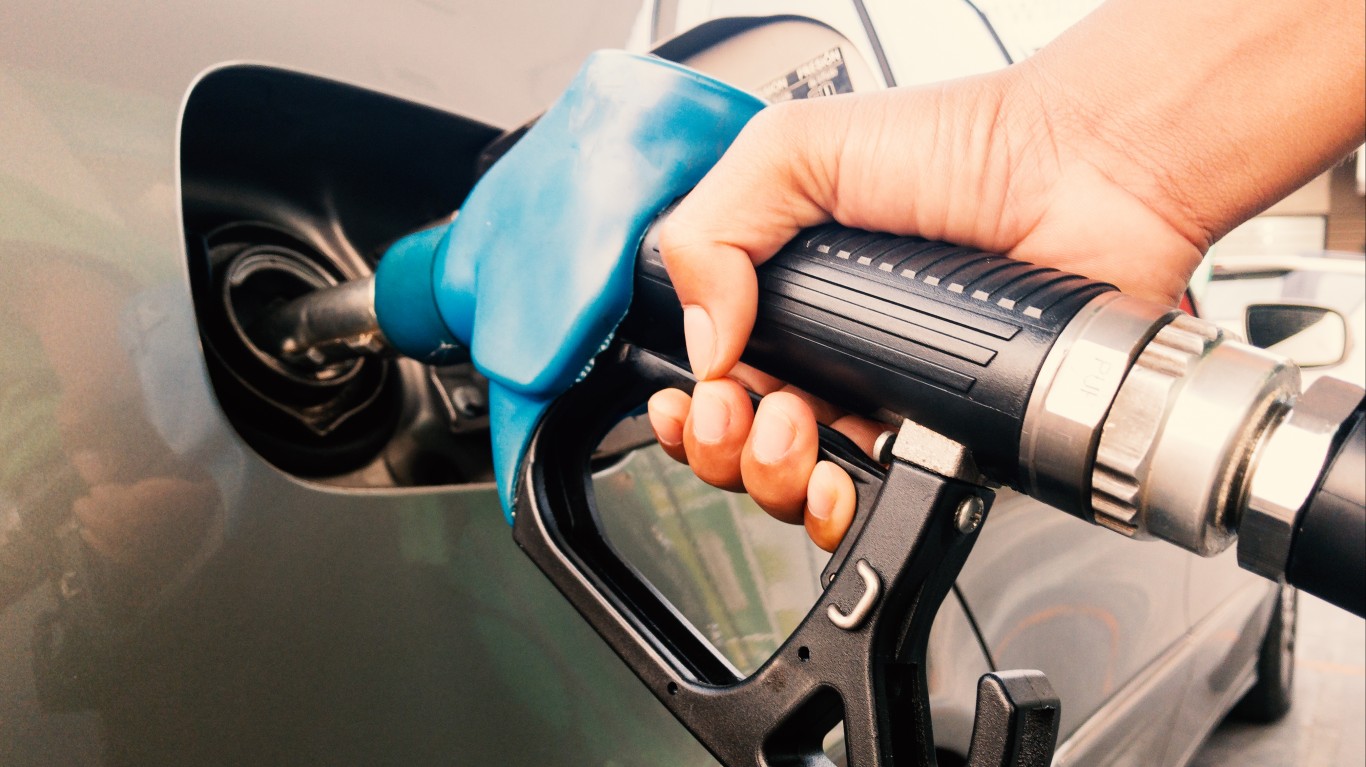
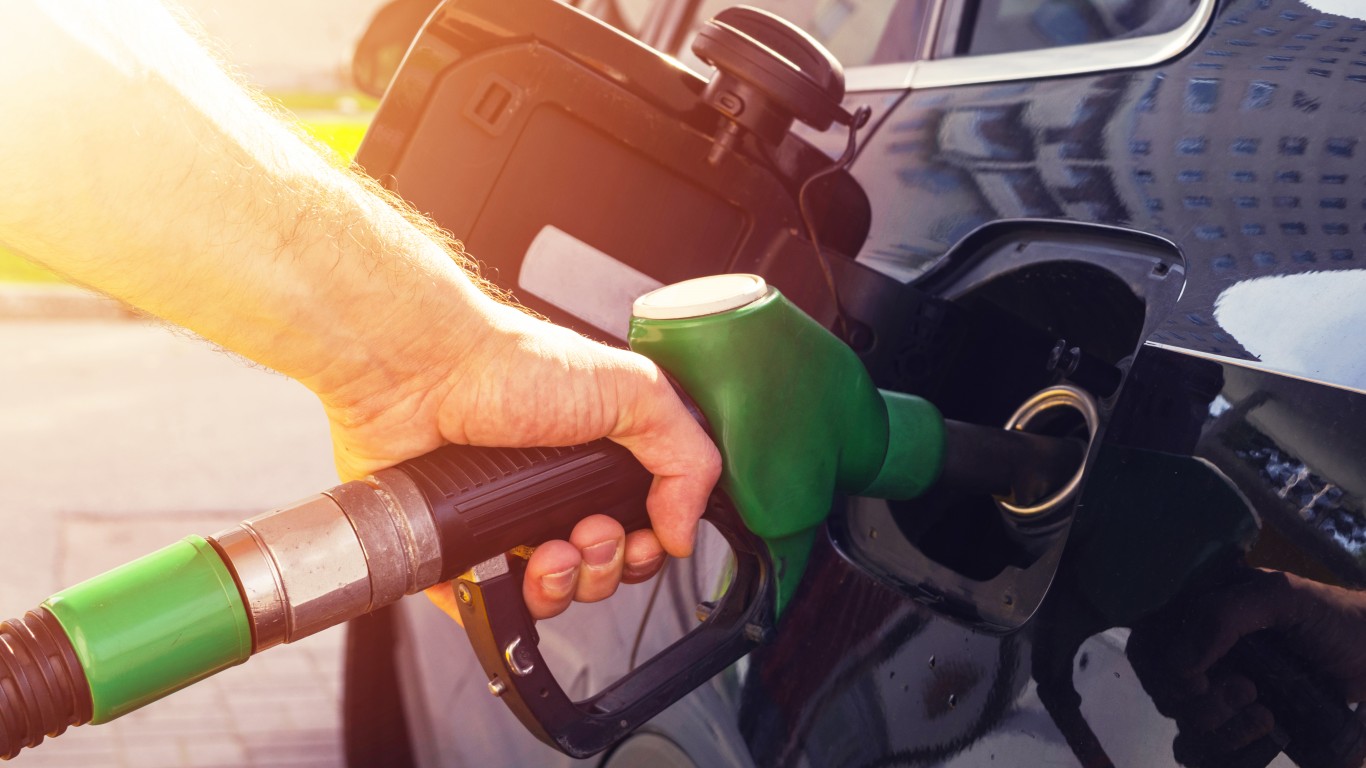
The point at which both consumers and experts start to panic about gasoline prices is when they top the psychological and economic barrier of $4 a gallon. A price of $3.99 is not nearly as threatening. That threshold has been breached in a number of states. Together, these states are home to a large portion of the American population.

Across the United States, the average price per gallon of regular was $3.60 yesterday. That is up from $3.474 a month ago, a 10% increase. The current national average price for a gallon of premium is much higher — $3.934.

In California, Washington state, Illinois and Connecticut, the price of regular slips back and forth a few cents above or below $4. A very modest uptick would put New York into the same category. Among them, these states have 73 million people residents, which is nearly 25% America’s total population.

The most often cited cause for increased gas prices is the price of oil. Other factors include transportation costs and the availability of refinery capacity, but oil pricing remains the primary factor. Crude regularly trades above $105 now. In early June, the price point was much closer to $90. Given worries about the availability of global supply, crude may remain above $105 for several months.

The logic that gas prices hurt the economy is simple. Many Americans have to drive to work, to school or for leisure. While the University of Michigan Transportation Research Institute reports that the fuel efficiency of new U.S. cars on average reached a new all-time high at 24.8 mpg last month, the problems with rising gas prices are inescapable. A household in which the residents drive 10,000 miles a year is not immune from the increase, particularly among those who live at or below the U.S. median household income of about $51,000.

At some point, which may already have been reached for some Americans, substantial daily expenditures have to be cut to pay for higher gasoline prices. Almost no one argues that this can damage consumer activity and, thus, gross domestic product (GDP).

High gas prices are back, and they may remain for a substantial amount of time. If so, GDP improvement is at risk for a reason that can be added to handful of others, like higher taxes and government job cuts. There is no need to speculate because it has happened several times before.

Photo of Douglas A. McIntyre
About the Author Douglas A. McIntyre →

Douglas A. McIntyre is the co-founder, chief executive officer and editor in chief of 24/7 Wall St. and 24/7 Tempo. He has held these jobs since 2006.

McIntyre has written thousands of articles for 24/7 Wall St. He is an expert on corporate finance, the automotive industry, media companies and international finance. He has edited articles on national demographics, sports, personal income and travel.

His work has been quoted or mentioned in The New York Times, The Wall Street Journal, Los Angeles Times, The Washington Post, NBC News, Time, The New Yorker, HuffPost USA Today, Business Insider, Yahoo, AOL, MarketWatch, The Atlantic, Bloomberg, New York Post, Chicago Tribune, Forbes, The Guardian and many other major publications. McIntyre has been a guest on CNBC, the BBC and television and radio stations across the country.

A magna cum laude graduate of Harvard College, McIntyre also was president of The Harvard Advocate. Founded in 1866, the Advocate is the oldest college publication in the United States.

TheStreet.com, Comps.com and Edgar Online are some of the public companies for which McIntyre served on the board of directors. He was a Vicinity Corporation board member when the company was sold to Microsoft in 2002. He served on the audit committees of some of these companies.

McIntyre has been the CEO of FutureSource, a provider of trading terminals and news to commodities and futures traders. He was president of Switchboard, the online phone directory company. He served as chairman and CEO of On2 Technologies, the video compression company that provided video compression software for Adobe’s Flash. Google bought On2 in 2009.

Featured Reads

Our top personal finance-related articles today. Your wallet will thank you later.

Continue Reading

Top Gaining Stocks

CBOE Vol: 1,568,143
PSKY Vol: 12,285,993
STX Vol: 7,378,346
ORCL Vol: 26,317,675
DDOG Vol: 6,247,779

Top Losing Stocks

LKQ
LKQ Vol: 4,367,433
CLX Vol: 13,260,523
SYK Vol: 4,519,455
MHK Vol: 1,859,865
AMGN Vol: 3,818,618