


Nigeria
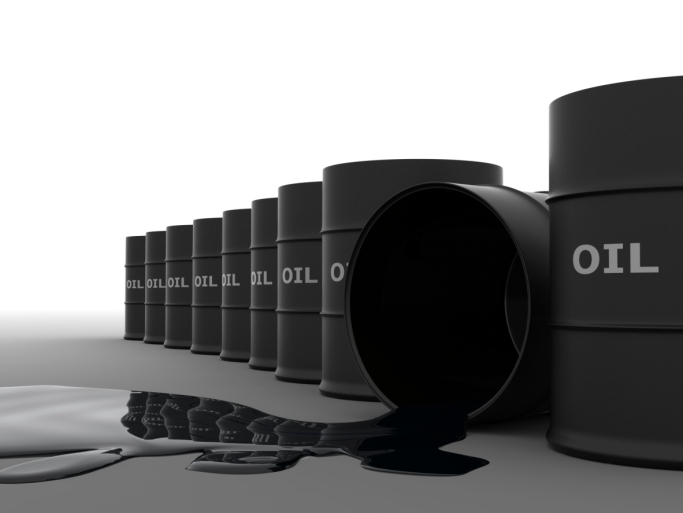
As much as 400,000 barrels of oil a day are stolen in Nigeria. This equates to losses of $1.7 billion a month for Africa’s new largest economy. This represents 7.7 percent of its GDP vanishing, or more than the country spends on education and healthcare. These numbers paint a harsh picture about the inability of the Nigerian government, and the multinational oil companies in the Niger Delta, to do anything about this rampant theft.
Shell executives have railed against the futility of trying to remove illegal taps from the hundreds of miles of pipelines they have in Nigeria. Philip Mshelbila, Shell’s head of communications in Nigeria, pointed to a sophisticated organization of people that have been working for years to steal oil from official pipelines. The company is now divesting its portfolio of assets in Nigeria. (Given this striking news, it seems odd that Nigerian oil producer Seplat says it sees no theft in its operations whatsoever.)
With oil theft hitting record levels in 2013, the G8 has been reminded of its 2000 pledge to help Nigeria solve this crippling problem. However, as the Global Financial Initiative points out, “stolen Nigerian crude oil is transported on internationally registered vessels, sold to international buyers, processed by international oil refineries and paid for using international bank accounts.” With one group of thieves admitting to profits of nearly $7,000 a day from their illicit activities, it will take some doing to stop them.
Mexico
In the notoriously secretive government of President Enrique Peña Nieto, it is rare to see a senior official publicly admit that a particular crime is up. Last summer, Carlos Morales, the then head of Pemex’s Exploration and Production subsidiary admitted that fuel theft was growing 30 percent annually in Mexico, for a total theft of 5,000 to 10,000 barrels per day. Given that authorities found 2,614 illegal taps in 2013, including close to 600 in November and December alone – compared to around 1,500 in 2012 — Morales might have underestimated the situation.
The staggering 1,548 percent jump in these illicit siphons from 2000 to 2013 has been attributed to powerful drug cartels like the Zetas realizing the potential of the black gold being pumped through territory they control. Fleets of tankers are now being stolen as they rumble across states like Tamaulipas, where Mexican press report the Zetas and the Gulf Cartel have distribution operations that rival those of Pemex itself
Iraq
Even if we set aside the attractive claim that the U.S. invasion of Iraq was the biggest oil heist of all time, Baghdad has a problem on its hands. Oil smuggling was institutionalized in the days of Saddam Hussein; one U.S. Senate estimate is that the Baath regime pocketed $21.3 billion from the UN Food For Oil program.
Today, it is difficult to estimate just how much oil is being smuggled out of Iraq, as the country’s metering system is behind by a number of years.
However, there have been substantiated reports of complex networks taking thousands of barrels right from the refineries and selling them illegally to Iran and Syria. In the chaos left over by the Iraq War, smugglers and terrorist elements have swooped in.
Russia
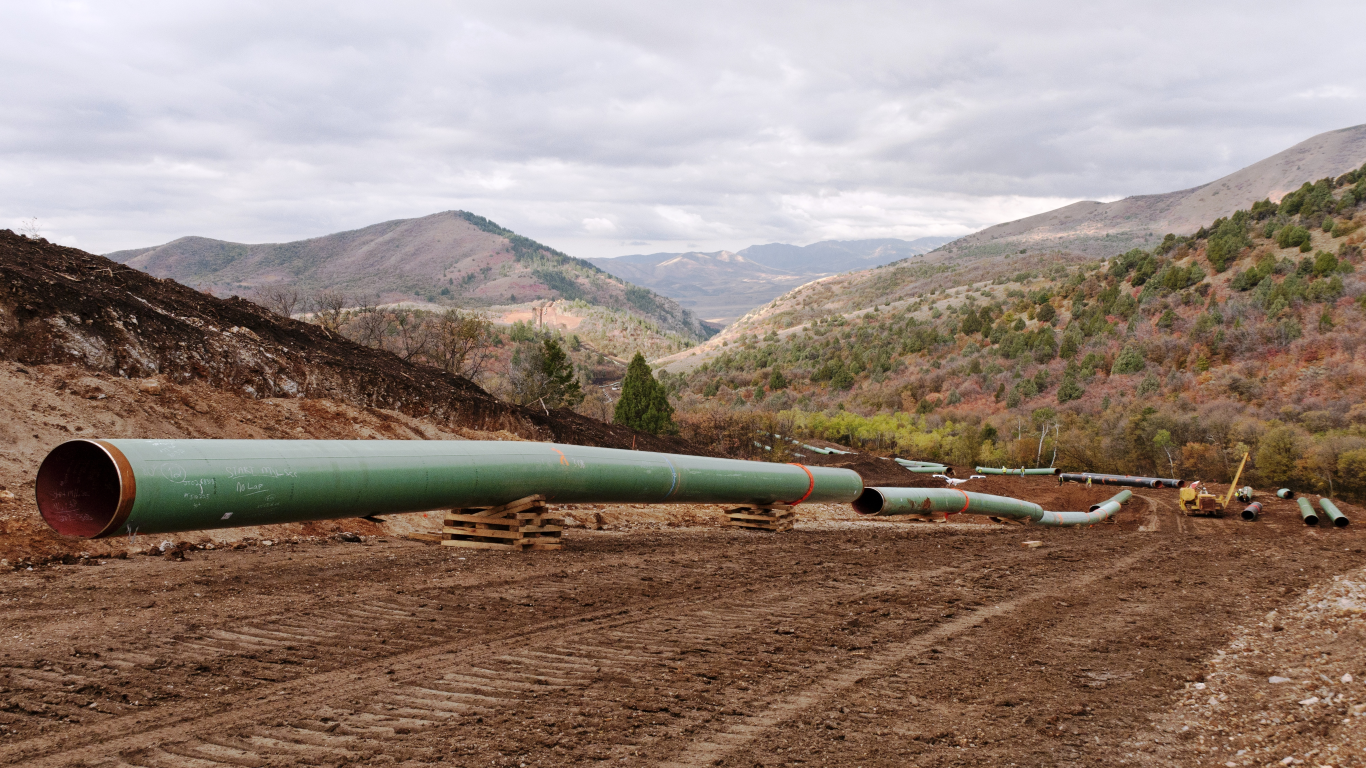
Vladimir Putin is an ambitious man. He is seeking to secure Russia’s energy future through landmark deals with China and Central Asia. To meet the export requirements of those deals, he has ordered Russia’s oil producers to reach an annual production of 535 million tons of oil by 2020. For that to happen, he will have to better secure Transneft’s pipeline network of over 50,000 kilometers.
This past April, Transneft threatened to shut down the oil supply to Ukraine, saying that oil worth $63 million dollars had been stolen from its PrikarpatZapadtrans pipeline system heading to the beleaguered country. However, Transneft has been facing more serious threats from organized crime in fractious regions like Dagestan where 27,000 tons of oil was stolen in 2009.
Indonesia
The state of oil smuggling in Indonesia might seem insignificant when compared to Nigeria, at just 2,000-3,000 barrels per day. However, the government seems to have only awoken to the issue after a South Sumatra pipeline explosion in October 2012 killed at least eight people, and injured dozens. The explosion was caused by one of the hundreds of taps that proliferate in the district of Bayung Lencir alone.
Since then, Jakarta says it has cracked down but oil firms remain unimpressed. National oil giant PT Pertamina shut down one of its main pipelines, Tempino-Plaju, in July 2013. It reported losses of 17,500 barrels of oil within the first week of the pipeline’s exploration.
Chevron has also had to take matters into its own hands, running off teams of thieves in Jambi Province. The South Sumatra chief for Indonesia’s Special Task Force for Upstream Oil and Gas Business Activities has lambasted the government, saying that its inaction has allowed oil thieves to act with more confidence.






 Top Gaining Stocks
 Top Losing Stocks