



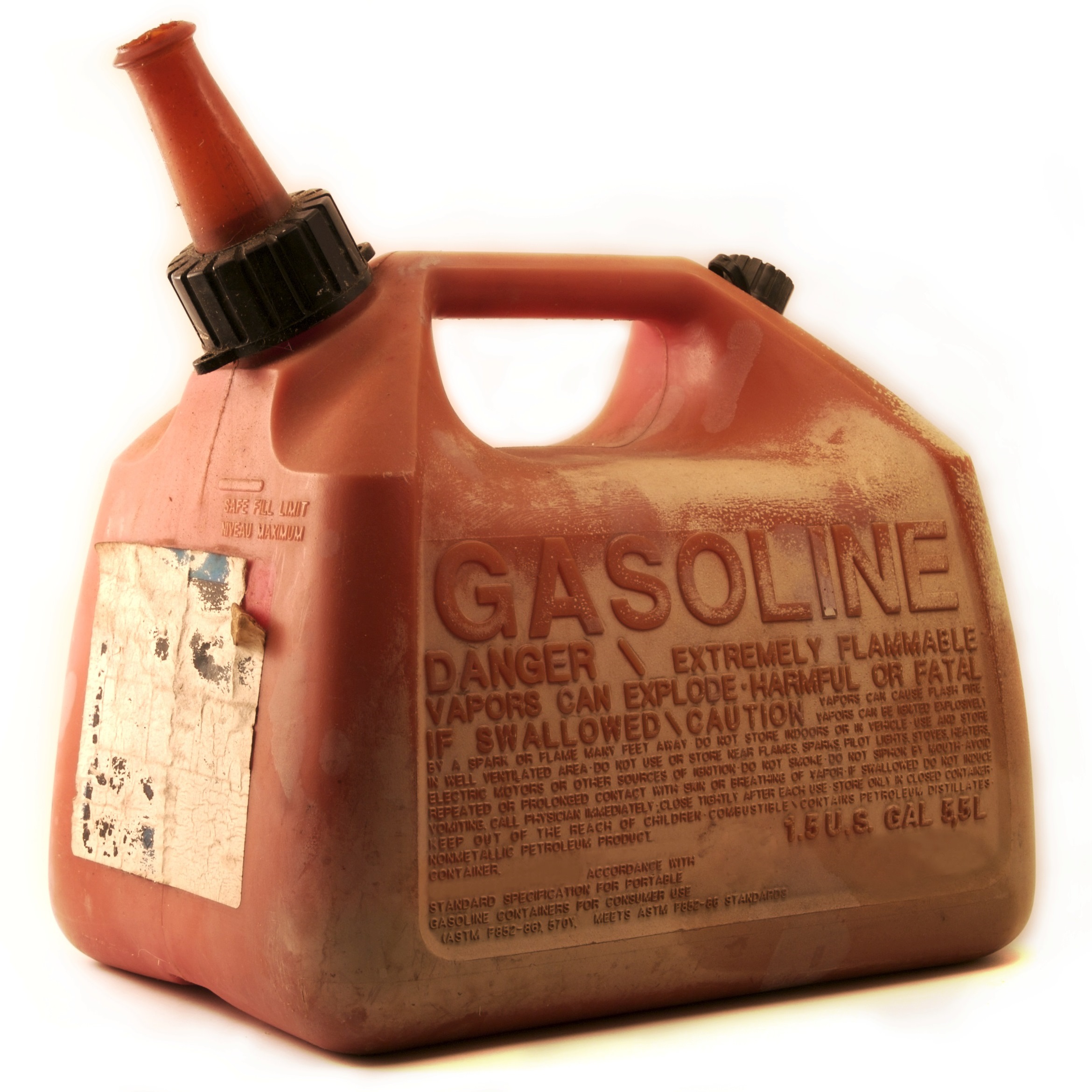
U.S. drivers can expect to gasoline prices this summer to average about 22% less than last year. The U.S. Energy Information Administration (EIA) on Tuesday said it expects the average summer price for a gallon of gas to be $2.04 this summer compared with $2.63 last summer, making the coming summer’s average price the lowest in a dozen years.
The EIA projects that the monthly average retail price of gasoline will increase from $2.05 per gallon in April to $2.08 in June before falling to $1.93 in September. Diesel fuel retail prices are projected to average $2.11 a gallon this summer, down from an average of $2.74 last summer.
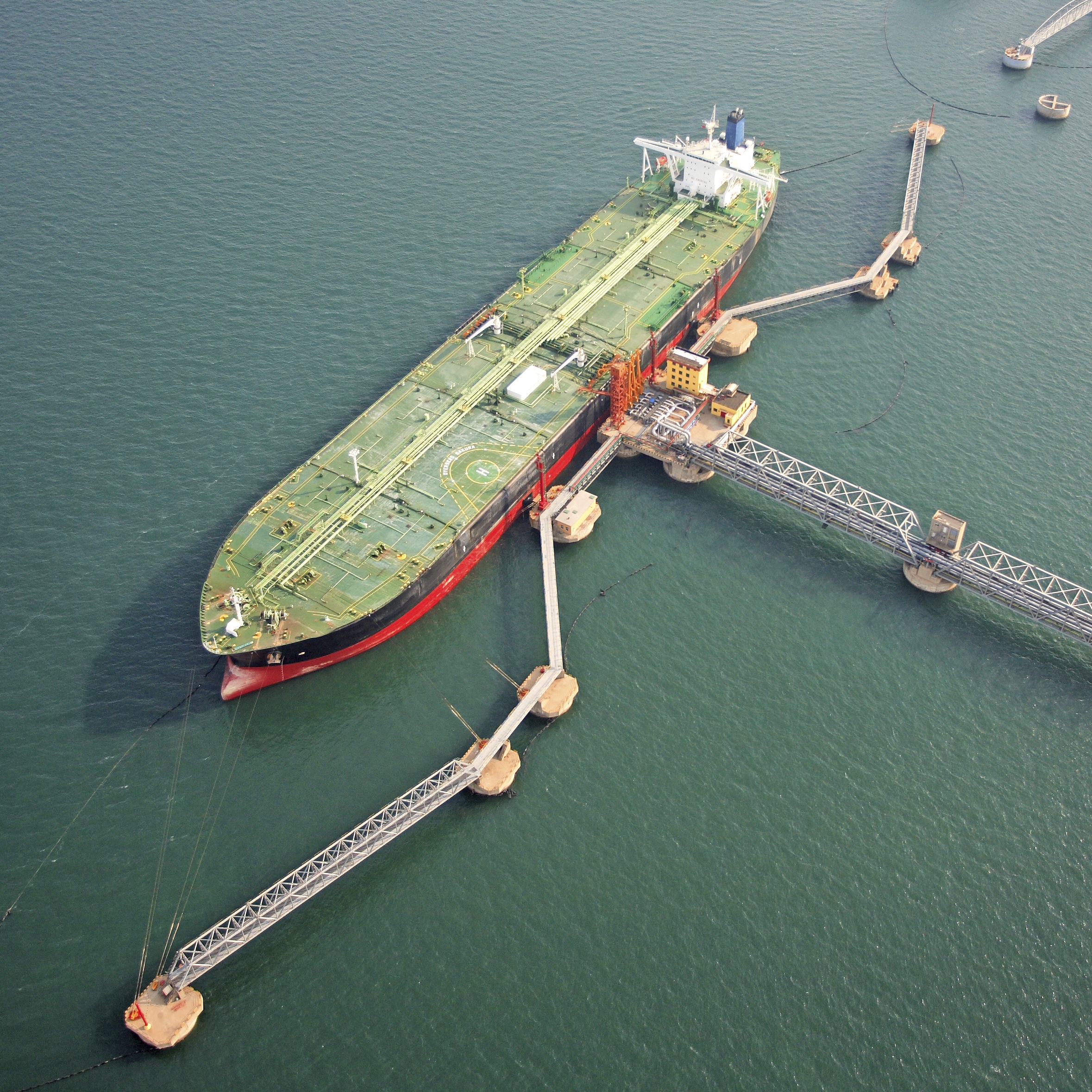
The primary driver of the lower cost per gallon of gas is cheaper crude oil. Brent crude is forecast to average $35 a barrel this summer, about $5 below its current price. Last year a barrel of Brent averaged $56, leading to a per gallon cost for crude of $1.33, compared with $0.83 this year. The EIA also noted that absent any outside influence (hurricanes, conflicts, etc.) a sustained difference of $1 a barrel in the price of Brent translates into a 2.4-cent change in gasoline prices.
U.S. crude oil production averaged an estimated 9.4 million barrels per day in 2015 and is forecast to average 8.6 million barrels a day in 2016 and 8 million barrels a day in 2017. Both estimates are lower by 100,000 barrels a day than they were in last month’s Short Term Energy Outlook. EIA estimates that crude oil production in March 2016 averaged 9 million barrels a day, or 90,000 barrels a day below the February 2016 level.
[nativounit]
In March, the Organization of the Petroleum Exporting Countries (OPEC) pumped 32.38 million barrels a day, up by 40,000 barrels a day, according to a Platts survey.
The driver in OPEC production was Iran, where March output rose by 110,000 barrels a day to 3.23 million barrels a day. That’s up 340,000 barrels a day since December, less than Iran had projected but impressive nevertheless.
Saudi Arabia’s production has remained at 10.2 million barrels a day since January, while Iraqi production has dropped from 4.33 million barrels a day in January to 4.16 million in March. Disruptions to Iraq’s pipeline exports due to vandalism and armed attacks get the blame for the decline.
Crude prices shot up another 3.6% on Tuesday following a report from Interfax that Russia and Saudi Arabia have agreed on a production freeze. Details weren’t available, but if the deal is in line with earlier speculation, the freeze will be imposed at January production levels. Russia posted all-time high production of nearly 11 million barrels a day in January and Saudi Arabia produced 10.2 million. A freeze is not a cut, and without a cut any progress toward sustained higher prices in the real world is doomed to move at a snail’s pace.










 Top Gaining Stocks
 Top Losing Stocks