


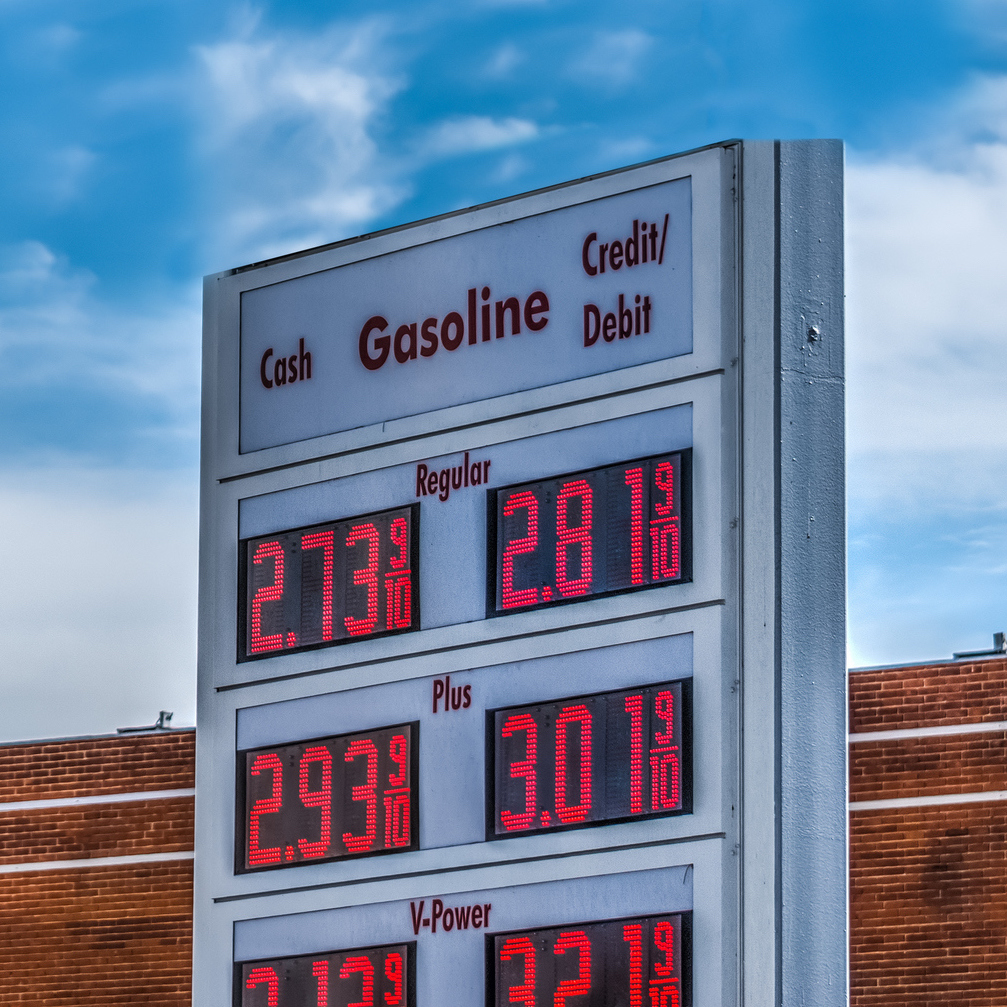
Average gasoline prices in the United States slipped last week, declining 2 cents a gallon to $2.32 as oil prices failed to return above the $50 a barrel level, according to online gas price provider GasBuddy. The peak driving season is waning as the Labor Day holiday, the unofficial end of summer, approaches.
The price of gasoline pulled back in some 40 states, led by large declines in the Great Lakes. The 10 states that saw average prices rise were mainly in the Pacific Northwest and the Rockies, where high demand ahead of the solar eclipse was putting pressure on gas prices.
States with the largest weekly change in average prices versus a week ago: Oregon (+12 cents), Michigan (-11 cents), Indiana (-8 cents), Idaho (+8 cents), Ohio (-8 cents), Illinois (-6 cents), Washington (+5 cents), New Jersey (-4 cents), Massachusetts (-3 cents) and South Carolina (-3 cents).
[nativounit]
The states with the cheapest average gasoline prices are: South Carolina ($2.05), Alabama ($2.08), Mississippi ($2.08), Oklahoma ($2.10), Missouri ($2.10), Arkansas ($2.10), Tennessee ($2.12), Texas ($2.14), Louisiana ($2.14) and Virginia ($2.16).
The price of oil fell even though data last week from the Energy Information Administration (EIA) showed a drop of 8.9 million barrels in crude oil inventories. This was a larger drop than was expected by analysts. Total inventories fell to their lowest since January 2016.
Inventories have continued to decline from a peak of 536 million barrels in late-March to the current level of 466 million barrels. Gasoline inventories were unchanged in the last week however, as refineries utilized 96.1% of their capacity to churn out fuels and products.
Geopolitical tensions — among them the standoff between the United States and North Korea — continued to cool in the last week. However, oil prices jumped late in the week after Baker Hughes reported the oil rig count dropped by 5 to 763 rigs, the largest weekly drop since January, perhaps signaling that the recent low oil price environment may be taking its toll on producers.
Areas of the Pacific Northwest may continue to see eclipse fueled demand spurts and higher prices before some cooling toward the end of the month, while prices in the Great Lakes may move higher because of the price cycling phenomenon common in the region. The Plains, South, Mid-Atlantic, Northeast and New England regions may all see gas prices drift lower in the week ahead.
[wallst_email_signup]









 Top Gaining Stocks
 Top Losing Stocks