


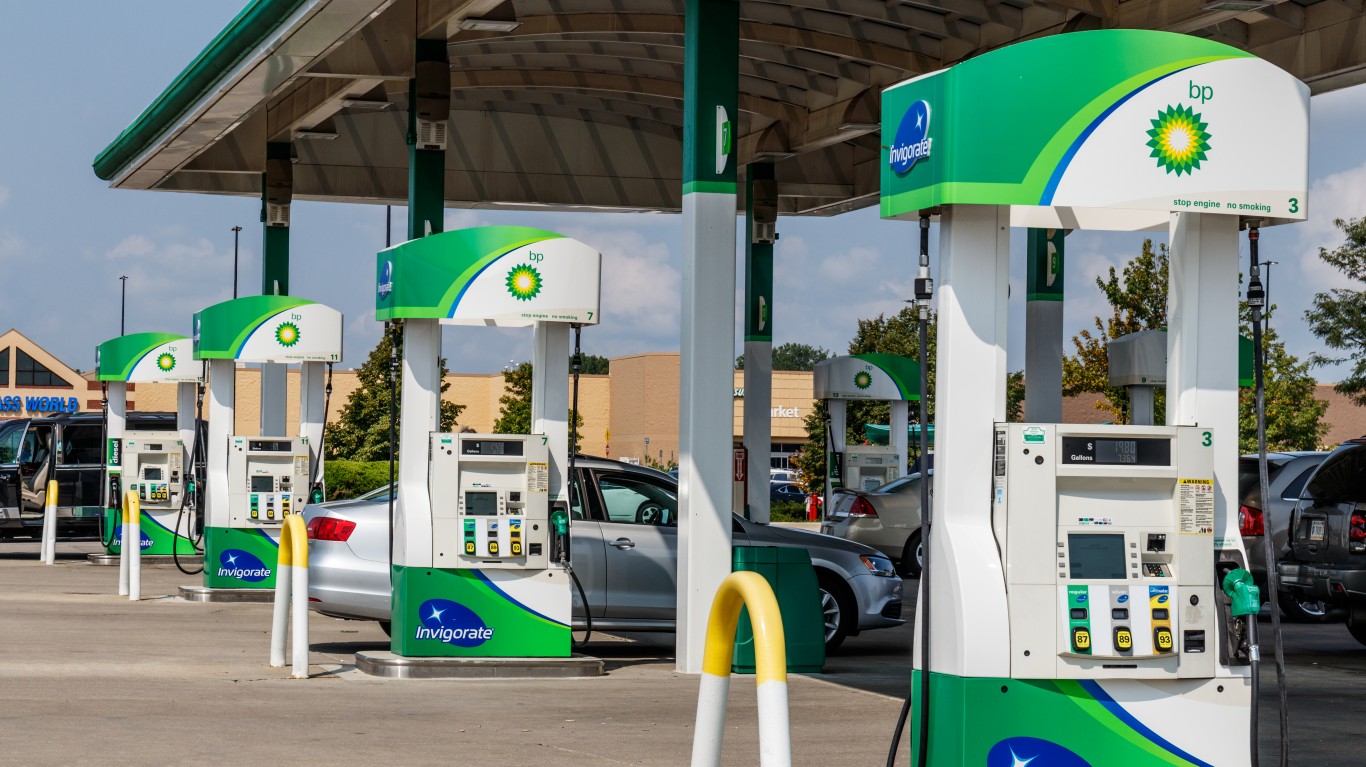
BP PLC (NYSE: BP | BP Price Prediction) reported third-quarter 2020 results before markets opened Tuesday. The oil and gas supermajor posted adjusted diluted earnings per American depositary share (ADS) of $0.03 on sales and operating revenues of $44.2 billion. In the same period a year ago, the company reported earnings per ADS of $0.66 on revenues of $69.3 billion. Analysts had estimated a loss per ADS of $0.03 and revenues of $49.2 billion. One ADS is equal to six ordinary shares.
While third-quarter results don’t compare with the third quarter of 2019, they are way better than the second-quarter loss of $6.7 billion. On a replacement cost basis, BP posted a profit of $86 million in the quarter. In the year-ago quarter, profit totaled $2.3 billion.
While low prices contributed to the second-quarter loss, they had a much-reduced impact on results in the third quarter. The culprit this time was oil trading. The company’s oil trading business delivered “an exceptionally strong result” in the second quarter; BP would only say that trading profits in the third quarter were “significantly lower.”
BP has repurchased 120 million of its ordinary shares so far in 2020 at a cost of $776 million. All the purchases were completed in the first quarter. The company will pay its $0.315 per ADS dividend in December. In the second quarter, BP cut its dividend by 50%, and CFO Murray Auchincloss said in Tuesday’s announcement that “[f]unding the dividend remains our first priority….”
[nativounit]
The company’s net debt dropped from $46.5 billion at the end of the third quarter last year to $40.4 billion. That total is down $400 million from reported net debt at the end of the prior quarter. BP has targeted a $35 billion level for its net debt.
Like virtually all companies in any industry, the COVID-19 pandemic continues to plague BP. While noting some early signs of recovery, BP noted that “the shape and pace of the recovery is uncertain.” The company expects demand to continue to rise gradually and cites the IEA estimate that global demand will grow by 6 million barrels a day next year and that inventories are likely to decline over the course of the year.
Upstream production fell by 6.4% year over year in the third quarter to 2.4 million barrels of oil equivalent per day, and the outlook for the current quarter is for slightly lower production due to scheduled maintenance.
In its downstream business, BP’s average refining marker margin in the quarter fell from $14.70 a barrel last year to $6.20. Refinery throughput was down by about 250,000 barrels a day. BP expects continued pressure on refining margins and lower demand in the fourth quarter.
Even though the adjusted profit was tiny, it was still a profit when the consensus called for a small loss. The company’s strength going forward is that it does generate gobs of cash ($5.2 billion in the third quarter) and that it remains committed to maintaining its dividend, reducing its debt and repurchasing shares — all music to investors’ ears. The company’s dividend yield is a heady 7.97%, however, and investors must be wondering how long that can go on in a coronavirus-clouded global economy.
In Tuesday’s premarket trading in New York, BP’s ADSs traded up about 0.7% at $15.89 in a 52-week range of $15.51 to $40.08. Analysts have a consensus price target of $29.79.
[recirclink id=803157][wallst_email_signup]







 Top Gaining Stocks
 Top Losing Stocks