


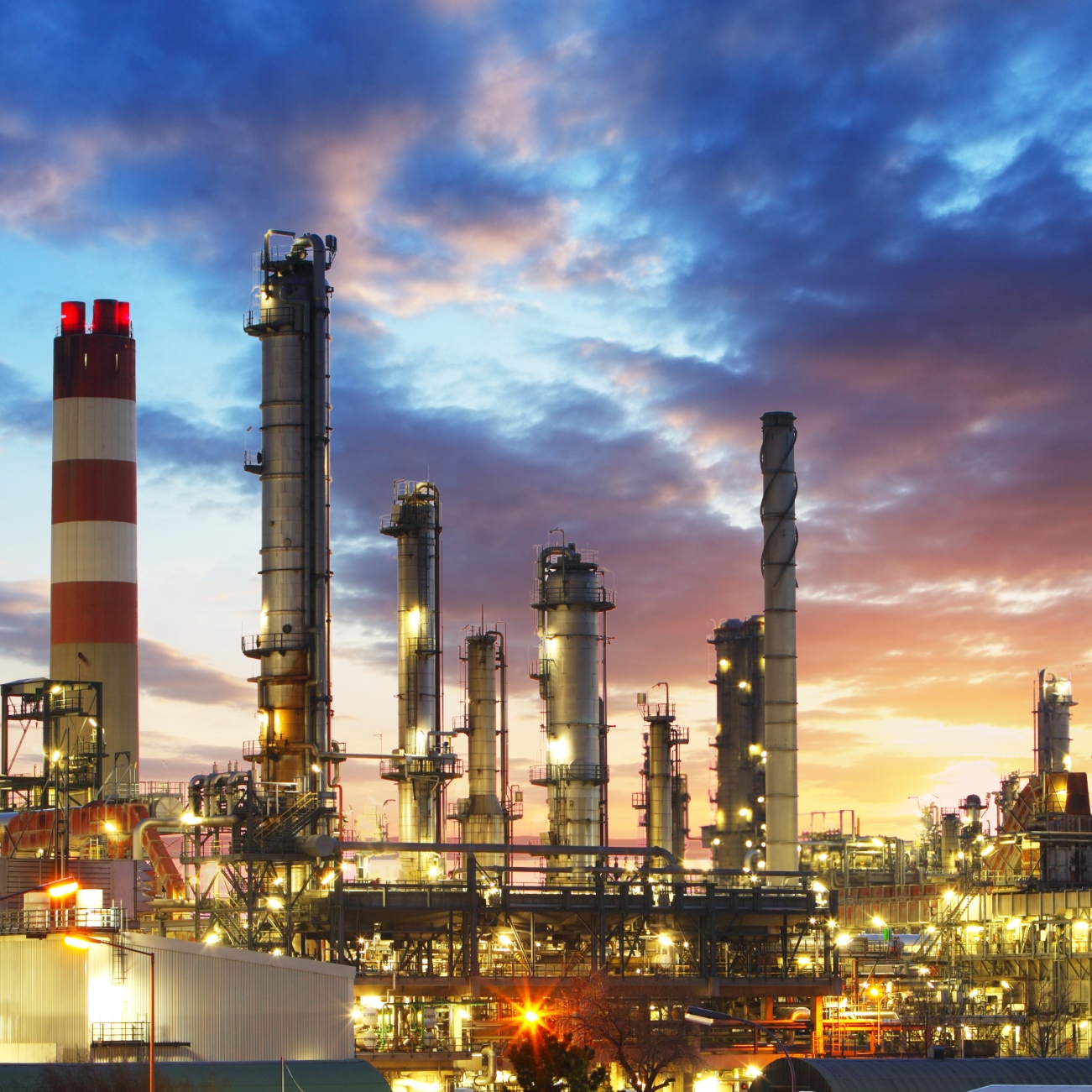
As we’ve pointed out earlier, oil refining is not the business to be in these days. Refiners have been hit hard by skyrocketing crude oil prices because they are unable to pass along those price increases to consumers. Because they generally have no E&P division, they are forced to purchase crude at the ever-increasing spot price, whereas integrated oil companies can take advantage of long-term supply contracts from their E&P divisions to help moderate the price that their refining and marketing divisions have to pay.
How bad are things? Today, Western Refining (NYSE:WNR) announced that it had abandoned all covenants on its credit facilities for the quarter just ended. The covenants will be reinstated at the end of the third quarter, with no change to the amounts available under the credit facilities. However, Western has agreed to eliminate quarterly dividends on common stock through the end of 2009, and has added a new revolving credit facility for $75 million to the $800 million in revolving credit that it already has. In early trading, the stock is down about $0.25, more than 80% off its 52-week high.
The story is unfortunately no better for Valero (NYSE:VLO) or Tesoro (NYSE:TSO). Tesoro is off about $0.45, just a buck above its 52-week low, and down about 70% from its 52-week high. Valero is off $0.78 for the day, off almost 50% from its 52-week high and near its 52-week low set in May.
What can refiners do? Building new refineries, even if it werepolitically possible, would only mean that the companies would losemoney faster. Even increasing capacity at current refineries does nothelp. Independent refiners need to be able to pass along their fullcosts to consumers, which will mean higher gasoline prices. That is anon-starter, with some calls in the US Congress for nationalizing therefiners. Now there’s a sorry idea.
Reduced consumption in the US (actually a reduction in projectedincreases in consumption) doesn’t help either. Refineries are runningat less than 90% capacity now, and that number is unlikely to increaseas long as gasoline prices are above $4/gallon. Imported gasoline maybe the one thing that can save US refiners. While US imports of crudemight drop, refined product imports are very likely to rise.Ironically, once refined product imports increase, the price levelsconsumers are willing to swallow also increase because they have nochoice. That’s another sorry idea to contemplate.
Perhaps the current decline in consumption represents true demanddestruction, and not simply demand erosion. If gasoline prices weremagically to drop below $3/gallon, how would US consumers react? Wouldthey continue to conserve by driving less, or would they return toprevious consumption levels? Either way, refiners will not be able toreturn to the glory days of just a year or two ago. At best, refinersface a return to the low-margin days of old. At worst, well, much worse.
Will refineries really be able to stop producing just because they aren’t making enough money or losing money? No. But those costs that haven’t been able to be passed on might start coming into the retail gas prices sooner rather than later.
Paul Ausick
July 1, 2008






 Top Gaining Stocks
 Top Losing Stocks