


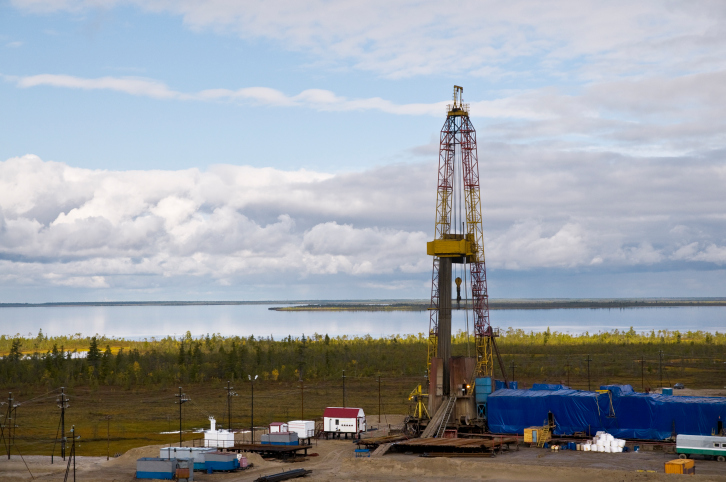
The projection actually is not as bad for Down Jones Industrial oil producers like Exxon Mobil Corp. (NYSE: XOM) and Chevron Corp. (NYSE: CVX) as you might expect, although it may bring some caution or range-bound trading for the United States Oil (NYSEMKT: USO) exchange-traded product. If you watched the oil bubble of 2008, it did not materialize as you might expect for big oil earnings, and the oil companies maintained over and over that the price was not based on market fundamentals.
ETF Securities is talking about fracking and shale oil’s impact on the global oil market. Ultimately, the firm believes that the direction of oil prices in the near term will depend on the sustainability of the U.S. and China economic recoveries. Shale oil production has surged in the United States. Shale production is also expected to expand to Russia and the Middle East, where output from conventional oil is declining. Some key takeaways are as follows:
- Major energy reporting agencies have reduced their estimates of global oil demand.
- Reduction in forecasts of U.S. and China demand and a deterioration of demand conditions in Europe increasing oil supply from shale and an uncertain global growth outlook likely will keep oil prices trading in a relatively narrow range.
- Near-term oil price upside likely will be capped by concerns about the sustainability of the U.S. and China economic recoveries.
- Downside is likely limited to around U.S.$80 a barell for West Texas Intermediate (WTI) as production becomes uneconomic for many shale producers under that price.
The report concludes”
Ultimately, the downside for oil prices — barring a major economic or financial shock — should be limited to around US$80 per barrel for WTI, as below that level shale oil production will start to become uneconomic for a number of producers. The increase in US oil exports will also help release some of the downward pressure on the WTI price. Brent oil medium term downside should be limited to not far below Saudi Arabia’s indicated target level of US$100/bbl. Therefore, despite rising global supply and lower demand trends in the West, the price of oil is likely to remain within a relatively tight trading range for the foreseeable future.
As with all predictions, things can get in the way. Supply disruption, military actions, regulatory or legal actions and even taxation can play a role in messing up any accurate projections.










 Top Gaining Stocks
 Top Losing Stocks