Cheap Gas Prices Likely to End on Oil Price Surge

Photo of Douglas A. McIntyre
By Douglas A. McIntyre Published
This post may contain links from our sponsors and affiliates, and Flywheel Publishing may receive compensation for actions taken through them.

Egypt is not much of an oil-producing nation. However, unrest there has caused oil prices to rise above $100 for the first time in months. Perhaps there is a fear that unrest in Egypt will spill into neighboring nations. Whatever the immediate cause for the surge in oil prices, America will bear the brunt in terms of gasoline prices. And gas prices are often viewed as a factor in the economic recovery.

Egypt does not have a position on the list of the world’s top nations in proven oil reserves. But neighbors Saudi Arabia, Iran, Iraq, Kuwait and the United Arab Emirates are among the top seven. As MarketWatch points out: “Although Egypt doesn’t export oil, it serves as a transit hub for oil through the Suez Canal and the Suez-Mediterranean pipeline.”

Not terribly long ago, the actions that constituted the Arab Spring were dying off. Based on attempts by huge numbers of people to oust Egyptian President Mohamed Morsi, the movement may have been rekindled.

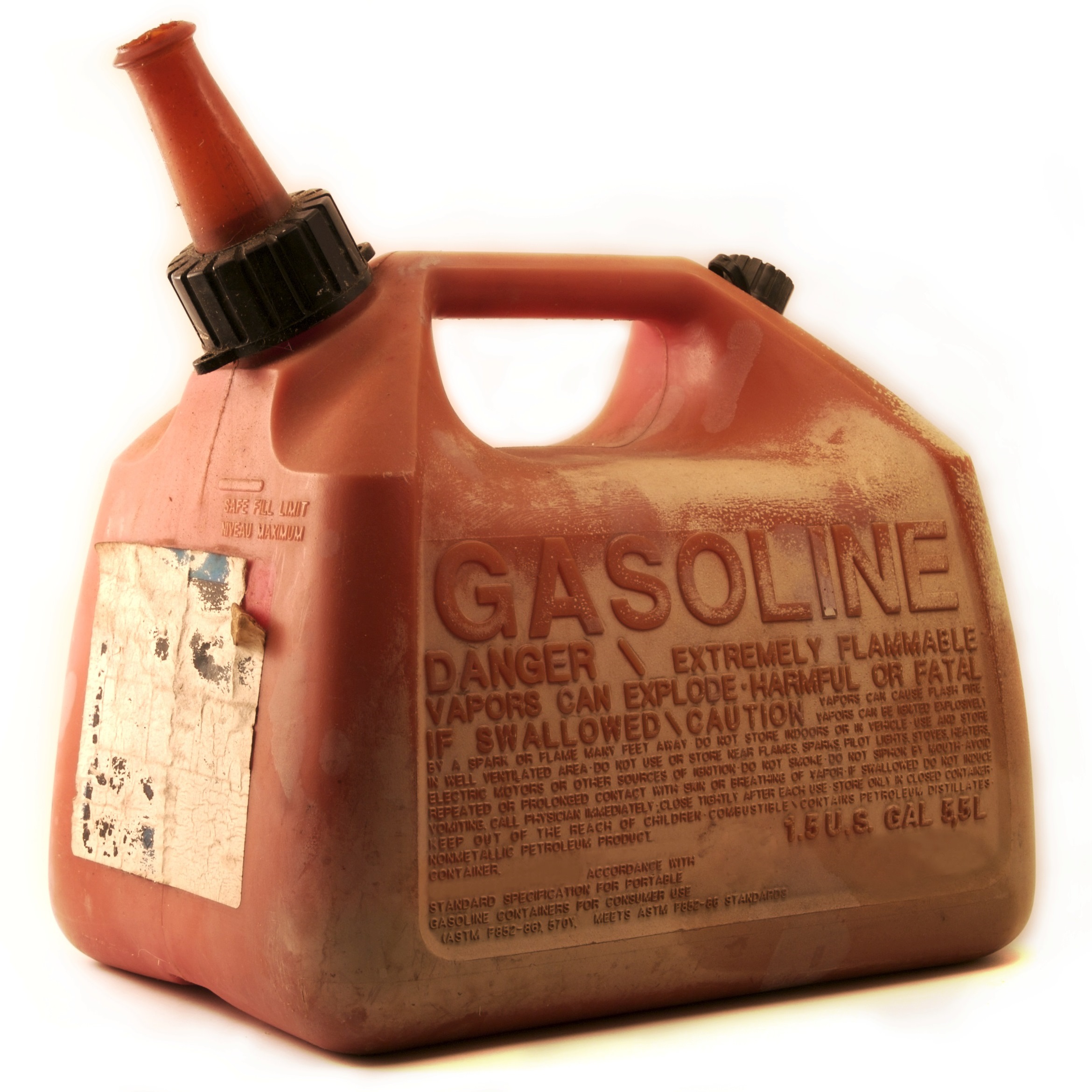
If gasoline prices follow oil prices — and they almost always do — the respite from the spikes of a year ago may have ended. During August of last year, the price for a gallon of regular rose above $3.70. The number fell well below $3.50 recently. By most measures, the price has kept falling lately. As a matter of fact, according to the AAA Fuel Gauge, gas has dropped to $3.478, down from $3.617 a month ago.

The math that supports the relationship between gas prices and gross domestic product always has been simple. The average household income in the United States is just above $50,000, before taxes. Federal taxes have risen this year. Gas prices also are affected by state gas taxes, which have risen recently in eight states. These three factors taken together will put downward pressure on economic expansion, which is already fragile.

Gas prices have run toward $4.00 several times since 2008, always pushed up by lack of supply, the fear of a supply shortage or low refinery capacity. Refineries in the United States generally are operating and not out of service for maintenance. Overall supply has been ample, but the Middle East situation has caused a rise, and recently a sharp one, in fear.

Most observations about oil prices have been positive since the start of spring. Shale is supposed to yield enough oil to make the United States energy independent, and perhaps a major exporter by the end of the decade.

But the end of the decade seems further off than before the Egypt uprising began, and the wonderful results of new production quickly have been muted by the irregular but omnipresent trouble in the Middle East.

Photo of Douglas A. McIntyre
About the Author Douglas A. McIntyre →

Douglas A. McIntyre is the co-founder, chief executive officer and editor in chief of 24/7 Wall St. and 24/7 Tempo. He has held these jobs since 2006.

McIntyre has written thousands of articles for 24/7 Wall St. He is an expert on corporate finance, the automotive industry, media companies and international finance. He has edited articles on national demographics, sports, personal income and travel.

His work has been quoted or mentioned in The New York Times, The Wall Street Journal, Los Angeles Times, The Washington Post, NBC News, Time, The New Yorker, HuffPost USA Today, Business Insider, Yahoo, AOL, MarketWatch, The Atlantic, Bloomberg, New York Post, Chicago Tribune, Forbes, The Guardian and many other major publications. McIntyre has been a guest on CNBC, the BBC and television and radio stations across the country.

A magna cum laude graduate of Harvard College, McIntyre also was president of The Harvard Advocate. Founded in 1866, the Advocate is the oldest college publication in the United States.

TheStreet.com, Comps.com and Edgar Online are some of the public companies for which McIntyre served on the board of directors. He was a Vicinity Corporation board member when the company was sold to Microsoft in 2002. He served on the audit committees of some of these companies.

McIntyre has been the CEO of FutureSource, a provider of trading terminals and news to commodities and futures traders. He was president of Switchboard, the online phone directory company. He served as chairman and CEO of On2 Technologies, the video compression company that provided video compression software for Adobe’s Flash. Google bought On2 in 2009.

Featured Reads

Our top personal finance-related articles today. Your wallet will thank you later.

Continue Reading

Top Gaining Stocks

CBOE Vol: 1,568,143
PSKY Vol: 12,285,993
STX Vol: 7,378,346
ORCL Vol: 26,317,675
DDOG Vol: 6,247,779

Top Losing Stocks

LKQ
LKQ Vol: 4,367,433
CLX Vol: 13,260,523
SYK Vol: 4,519,455
MHK Vol: 1,859,865
AMGN Vol: 3,818,618