


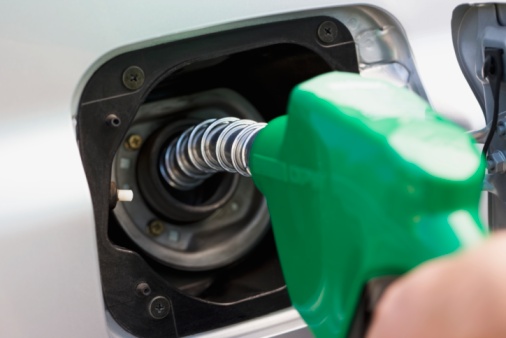
Just a month ago, the price of a gallon of regular gasoline was $3.40.
In large states, which include more than a quarter of the U.S. population, the price of regular already has started to approach $4. In California, with its 38 million residents (12% of the national total), it has reached $3.98. In New York and Illinois, it is above $3.75.
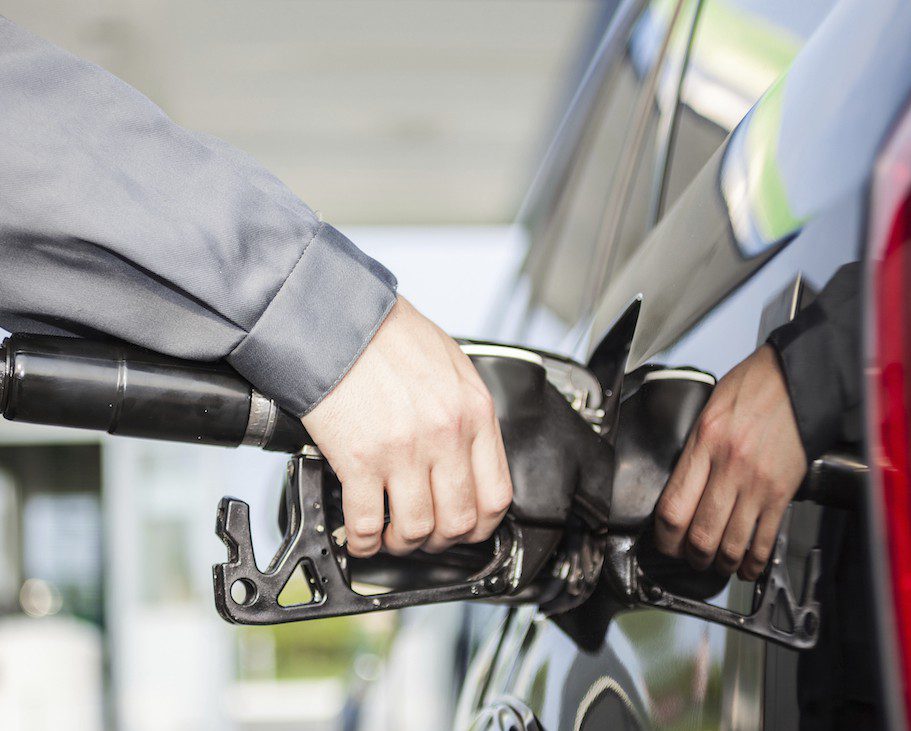
For drivers who use premium gas, the problem is much worse. The national average per gallon is $3.88. To fill a car or truck with a 16-gallon tank costs more than $60. The price of premium in California has reached $4.17, and it is above $4 in Connecticut, Illinois, Michigan and New York.
While oil prices are not the only component of gas prices, it is still the lion’s share. Recently, the CEO of Chevron Corp. (NYSE: CVX) commented that “$100 a barrel is the new $20,” a signal that crude prices are unlikely to dip sharply again as they did during the recession, when they dropped to $40 after peaking at $130 in mid-2008. West Texas Intermediate (WTI) crude prices have hovered around $100 for the better part of the past two months.
The largest oil-producing nations around the world include Iran, Iraq, Venezuela and Nigeria. As political and military tensions with Russia rise, it is worth noting that it produces about 12 million barrels a day, or 13% of the global average. If the instability of any of these countries moves sharply higher, so likely will the price of crude.
For more details, see the 24/7 Wall St. analysis of oil prices.





 Top Gaining Stocks
 Top Losing Stocks