


The debate over which energy storage technology will prove to be the best in the long-term is woefully misguided.
Many technologies have been tested in the field or been fully installed, but their real-world applications have created constant questions around a number of fixed themes: the three-points concern cost, technology, and potential environmental impact, as well as the need for specific regulation and end-of-life management.
Here, engineers have run into the dilemma of energy storage technology. It is difficult for any energy storage method, at least at the current stage of development, to produce the amounts of power and energy required at a cost-effective price. However, passing judgment on energy storage by using this equation alone is simply incorrect. After all, we do not expect renewable energy to provide a one-size-fits-all solution to help us move away from fossil fuels.
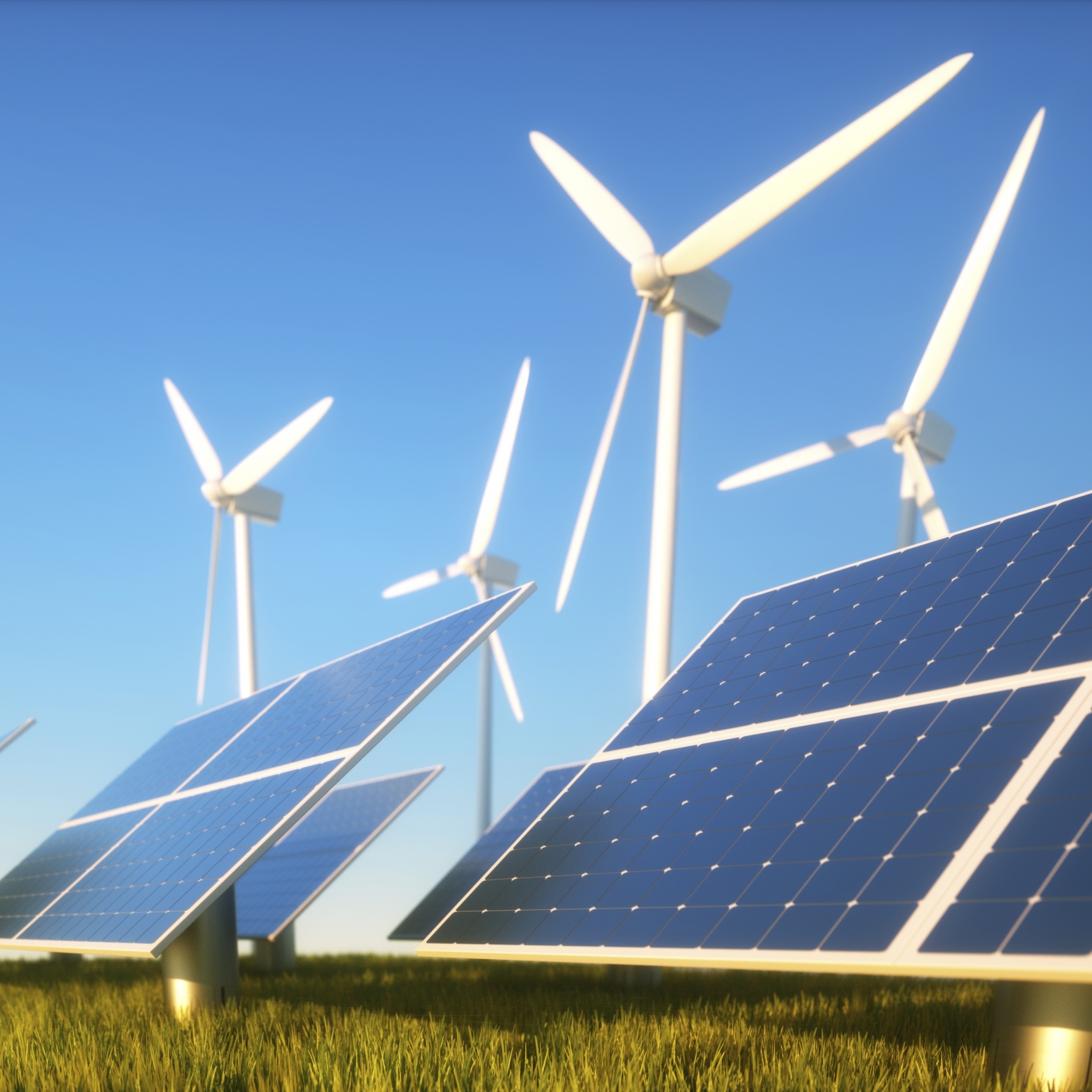
Wind farms are suitable for areas with high wind currents, such as southern Mexico, while photovoltaic (PV) plants have found more traction in sun-kissed regions like California. Even with the same type of resource, different technologies are used for different applications. After all, the ability of operators to connect small PV setups to the grid has seen the use of solar installations in private homes skyrocket.
Why should we expect anything different from energy storage technologies? It is highly unlikely that in the short-term, any one of the available options will turn out to be the true leader of the pack.
Last year, researchers at the University of Illinois announced the creation of a new lithium-ion battery that is “2,000 times more powerful than comparable batteries … which breaks the paradigms of energy sources.” This is a wonderful advance that, if found commercially viable, will allow for a future generation of smart phones to be charged much faster or to power single, high-energy applications such as medical equipment.
However, the accelerated output of such lithium-ion battery technology is still not able to happen on the grid-scale level that society requires. To counter this problem, some countries such as Germany have been looking at chemical energy storage as the answer for a 100 percent renewable future. This involves the use of electrolysis to create hydrogen and methane from extra energy generated by renewable plants such as wind or solar. Dr. Gunter Ebert, from the Fraunhofer Institute for Solar Energy Systems, says that these two are “the only options for large-scale storage.” In his vision, large storage facilities would be used to serve hydrogen, which could then be converted for use in vehicles or fuel cells. Methane could be used in the gas grid, or to serve needs such as heat and power.
Chemical energy storage is certainly gaining traction, with the first hydrogen made from electricity having been pumped into Germany’s gas network in December 2013. But again, it would be presumptuous to say that these advances are resolving the energy storage debate. It looks likely that as research progresses, other equally viable forms of energy storage will occur. This will give the consumer, whether a single family or a national grid operator, the very thing that was lacking from renewable energy offerings for so long: a choice.
They will be able to determine the size of the storage that they each need and the applicability of various solutions to their needs. House owners, or a small community, might opt for a diffuse storage option with a number of small storage units across a local area. Large-scale operators, such as public transport companies, might instead prefer to rely on a centralized network comprised of several vast storage facilities.
The final problem with the current energy storage debate is the tendency to judge a method’s cost-effectiveness on the merits of available technologies alone. Much like any other scientific development, its cost-effectiveness should be calculated through links to other technologies it will be paired up with. For energy storage, these are obviously renewable energy plants. And here is where the good news comes in.
Just last week, a report by Swiss bank UBS showed how the linked development of energy storage, solar power and electric vehicles is changing the economics of power generation. UBS predicts that by 2020, a return on investment for an unsubsidized purchase of an electric vehicle, coupled with a rooftop solar installation and battery storage, will drop to just six years in much of Europe. Smart distribution networks would precisely manage the usage and allocation of electricity, allowing for an electric car to be charged at night, for the sun to power a house during daylight hours and for improved batteries to store power for other residential uses. While such news might not be met with cheers in the offices of national grid operators, it shows just how the quest for “The Holy Grail of Energy Storage” is doomed to fail.








 Top Gaining Stocks
 Top Losing Stocks