


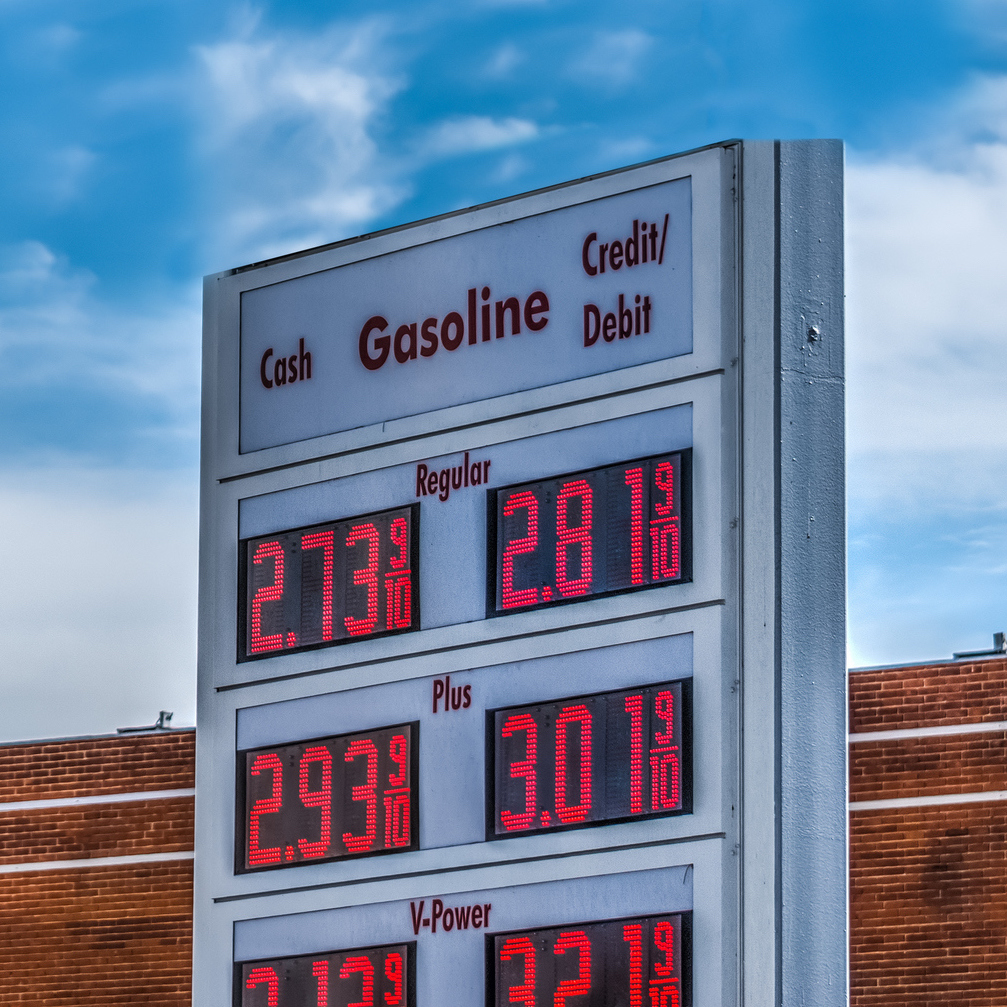
The last time U.S. gas pump prices were this low heading into the Independence Day celebration came in 2004, when a gallon of regular gas posted a nationwide average of $1.87. Analysts at GasBuddy estimate that gasoline will cost $2.17 a gallon for the coming holiday weekend.
Patrick DeHaan, head of petroleum analysis for GasBuddy, said that even though gas prices have continued to rise since many U.S. cities have loosened their guidelines for staying home in response to the COVID-19 pandemic, a “recent surge in new coronavirus cases in the U.S.” could bring the increases to a screeching halt.
For the ninth week in a row, the national average price for a gallon of regular gas climbed higher to match a string of increasingly lower prices during the prior nine consecutive weeks. Monday’s national average was $2.17 a gallon, up by 32.4 cents week over week.
The lowest prices in the country have risen to an average of around $1.82 as of Monday morning. Gas prices average below $2.00 a gallon in just 13 states.
[nativounit]
West Texas Intermediate (WTI) crude oil traded up by about 1.2% Monday morning at $38.96 a barrel, after closing Friday at $38.49. International benchmark Brent crude traded up about 0.8% at $41.26. WTI has dropped by nearly $2.60 a barrel in the past four trading sessions. Unfortunately for motorists, retail pump prices to not react as quickly to lower crude prices as they do to higher prices.
The average cost at the most expensive 10% of stations stands at $2.91 per gallon, down four cents week over week, while the lowest 10% average $1.77 per gallon, up five cents. The median U.S. price is $2.09 per gallon, six cents higher than last week and about eight cents lower than the national average.
DeHaan also noted that gasoline demand fell by 0.4% week over week but that more noticeable drops occurred later as reopening rules for some businesses were rescinded: “Motorists across the country will likely be influenced by what develops in those areas- improvement and a slowdown in COVID would cause gas prices to continue rising, while a continued resurgence in COVID-19 cases and a drop in gasoline demand will mean lower gas prices.”
The five states where drivers are paying the most for a gallon of gas are Hawaii ($3.42), California ($3.08), Washington ($2.63), Oregon ($2.53) and Nevada ($2.53).
The five states where a gallon of gas is cheapest are Mississippi ($1.82), Louisiana ($1.84), Missouri ($1.87), Oklahoma ($1.87) and Alabama ($1.87).
Compared to last month, the national average is up by nearly 20 cents per gallon, and compared to last year, prices are down about 54 cents per gallon.
Adjusted for inflation, the 2004 price of $1.87 a gallon translates to about $2.53 in today’s dollars. Thinking about that pricing history, it’s no wonder that oil companies are struggling.
[recirclink id=716000][wallst_email_signup]




 Top Gaining Stocks
 Top Losing Stocks